
IBISWorld Platform
Answer any industry question in minutes with our entire database at your fingertips.

After three RBA rate cuts through 2024-25 brought welcome relief to businesses and briefly lifted confidence to its highest level since late 2023-24, the reprieve proved short-lived. According to the RBA's February 2026 Statement on Monetary Policy, underlying inflation re-accelerated in the second half of 2024-25, rising to 3.4% by the December 2025 quarter, above the RBA's 2 to 3% target band, driven by broad-based price pressures across services, retail goods and construction. Compounding the resurgence of inflation was the expiry of state electricity rebates, which pushed the headline figure further to 3.6%. The RBA responded by raising the cash rate in February 2026 for the first time in over two years, before hiking twice more by May 2026, fully reversing the 2024-25 easing cycle and returning the cash rate to 4.35%. For many businesses, this reversal erased the borrowing cost relief that had begun to flow through the economy, reviving concerns about margin pressure and softening consumer demand.The deterioration in confidence over the latter part of 2025-26 has been particularly sharp, with the major culprit being the outbreak of the Iran-Israel conflict in early 2026, which triggered a global oil price shock and drove the NAB monthly business confidence index to -29 in March 2026, which NAB identified as the second-largest monthly drop on record and the weakest reading since the COVID lockdowns of April 2020, as rising fuel costs, renewed inflation and deteriorating global trade conditions weighed heavily on businesses. Looking at the past three years more broadly, business confidence has been gradually eroded by a succession of overlapping pressures. The rapid cash rate hiking cycle between May 2022 and November 2023 left many businesses navigating expensive credit and compressed margins well into 2023-24. While conditions began to stabilise as rate cuts took hold through 2024-25, the re-acceleration of inflation and subsequent return to monetary tightening has reinforced a pattern of sustained uncertainty. According to NAB's Q1 2026 Business Survey, wage costs have remained the top concern for businesses throughout this period, with labour market tightness continuing to constrain output and push up operating costs. These pressures, alongside the renewed rate hiking cycle, have weighed on business confidence over the three years through 2025-26. IBISWorld forecasts business confidence to average 94.5 index points in 2025-26 as a result, falling by 1.7 index points from 2024-25.
Curious about what drives these trends? IBISWorld's analyst coverage on the business confidence index includes detailled analysis on the current performance, outlook and industries affected.
1990-2033
This report analyses business confidence in Australia. The data is sourced from the National Australia Bank (NAB) Quarterly Business Survey and is measured by the quarterly NAB Business Confidence Index, which is calculated as the net balance of responses to a survey of over 900 businesses in the non-farm business sector and is seasonally adjusted. The responses serve as an indicator of overall business conditions, reflecting the current financial position and economic outlook of businesses. When the index is at 100, the number of optimistic and pessimistic responses is equal. The index is above 100 when more businesses are optimistic and below 100 when more are pessimistic. The data for this report is the average level of the index over each financial year, measured in index points.
IBISWorld Industry Reports are available in multiple formats to fit seamlessly into your workflow.
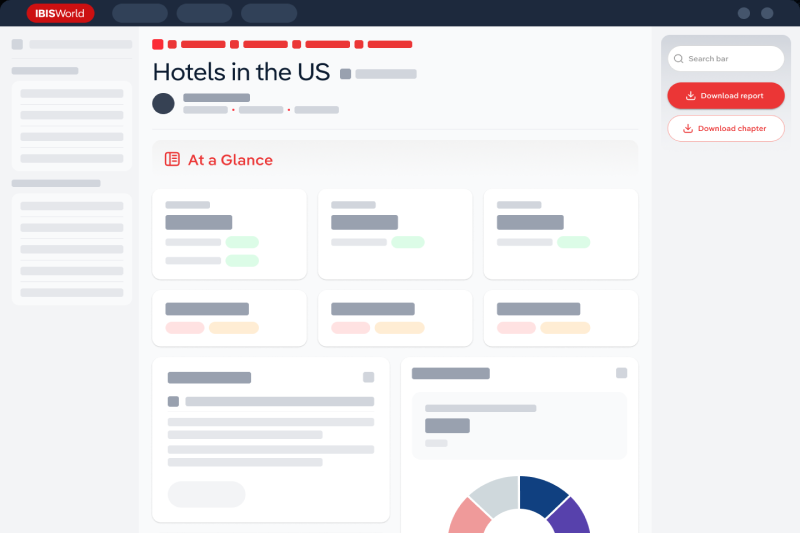
Answer any industry question in minutes with our entire database at your fingertips.
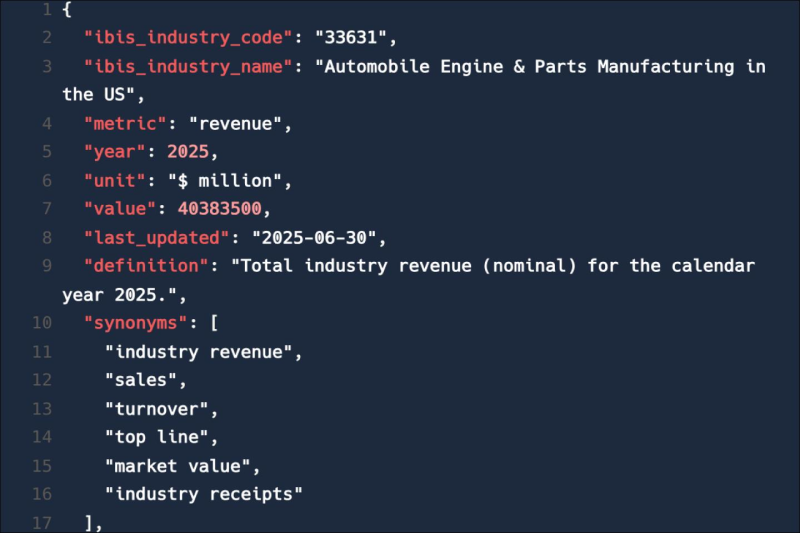
Feed trusted, human-driven industry intelligence straight into your platform.
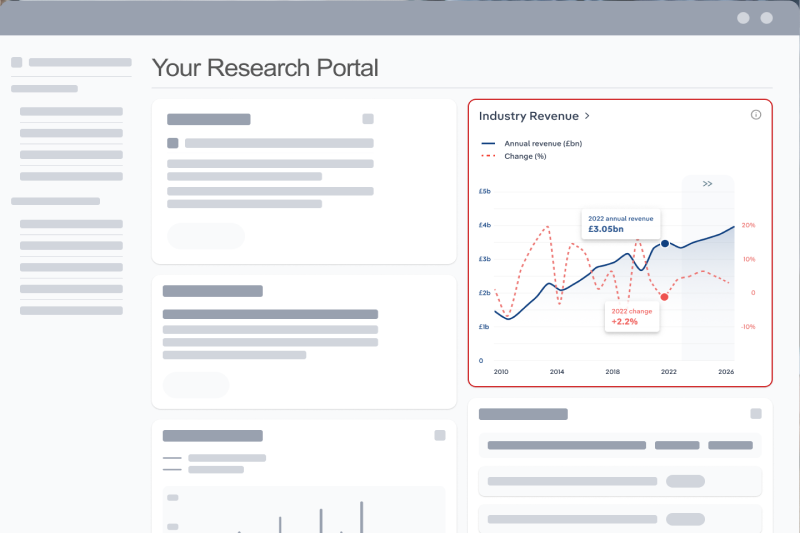
Streamline your workflow with IBISWorld’s intelligence built into your toolkit.
Explore industries with similar markets, supply chains, and economic drivers to gain broader context and insights.
When the stakes are high, you need intelligence that cuts through the noise—wherever you work.
The business confidence index in Australia in 2026 was 96.2 units.
The business confidence index in Australia declined by -2.87% in 2026.
IBISWorld’s data and analysis on business confidence index in Australia includes forecasted growth rates over the next five years.