
IBISWorld Platform
Answer any industry question in minutes with our entire database at your fingertips.

IBISWorld forecasts total household consumption expenditure to climb 1.8% in 2026-27 to $1,453.8 billion, extending a recovery following the post-pandemic spending stagnation. In aggregate, consumption has continued to rise even through a period of real pressure on household budgets. Real household disposable income fell 3.2% in 2023 and grew just 0.4% in 2024, yet total spending held up because population growth more than offset the squeeze on each household, thereby masking a decline in consumption per capita.The operating environment shifted sharply in early 2026. After easing through 2025, the RBA raised the cash rate three times to 4.35% by May as inflation re-accelerated, driven partly by higher fuel and commodity prices linked to the conflict in the Middle East. With household debt among the highest in the OECD and variable-rate mortgages again prevalent, higher rates feed quickly into mortgage costs and household cashflow and spending growth have softened from their 2025 pace. Consumer sentiment is pessimistic, with the Westpac-Melbourne Institute index falling to 80.6 in June 2026, ranking among the lowest readings in the survey's fifty-year history and reflecting a near-20% gap between pessimists and optimists, a dynamic that will weigh on spending growth in 2026-27.Spending growth has been modest and broad-based. The ABS Monthly Household Spending Indicator shows goods spending running slightly ahead of services spending through early 2026, with discretionary spending still expanding despite cost-of-living and interest-rate pressure. Growth in essential spending has eased, reflecting in part the temporary halving of the fuel excise and the introduction of free or discounted public transport in some states, both of which mechanically lowered petrol and transport spending even as they supported household budgets. Private card-spending data from CommBank's Household Spending Insights corroborate this picture. In May 2026, discretionary growth was led by recreation and hospitality, supported by a recovery in travel, dining out and major events, while categories including education and transport were softer. IBISWorld forecasts total household final consumption expenditure to grow at a compound annual rate of 2.6% over the five years through 2026-27.
Curious about what drives these trends? IBISWorld's analyst coverage on the household consumption expenditure includes detailled analysis on the current performance, outlook and industries affected.
1960-2034
This report analyses total household consumption expenditure. The data for this report is sourced from the Australian Bureau of Statistics and is measured in billions of seasonally adjusted, constant 2023-24 dollars.
IBISWorld Industry Reports are available in multiple formats to fit seamlessly into your workflow.
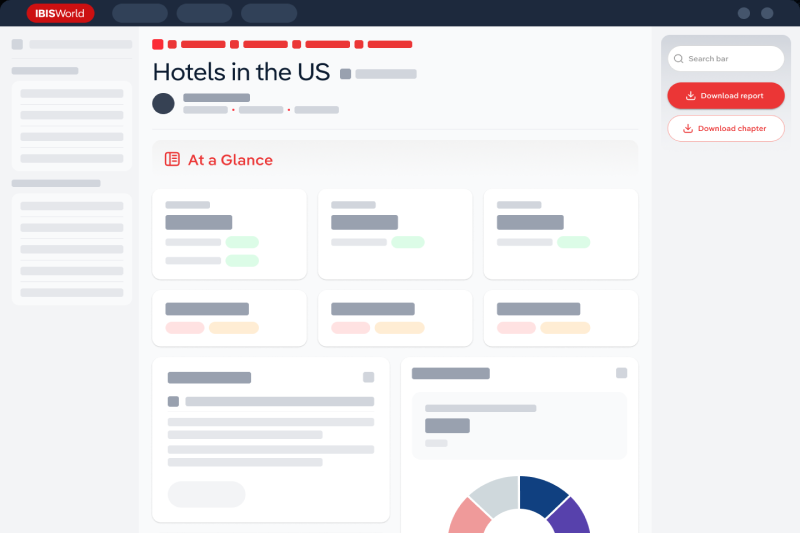
Answer any industry question in minutes with our entire database at your fingertips.
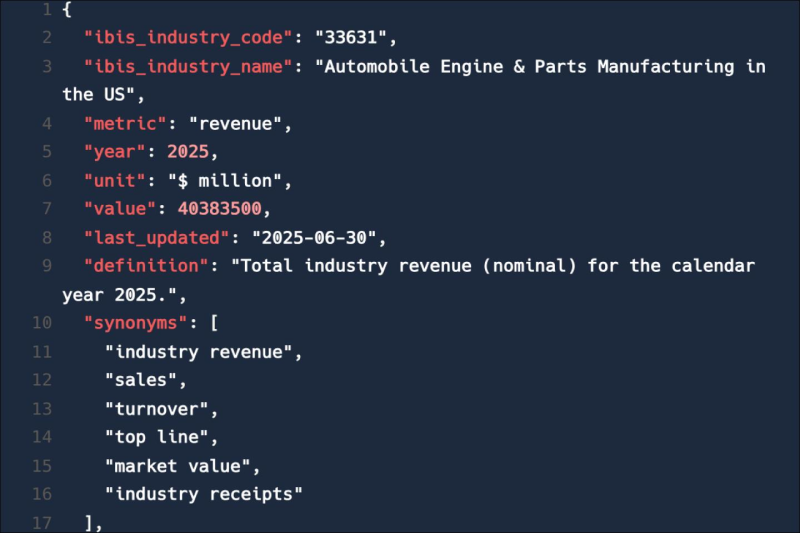
Feed trusted, human-driven industry intelligence straight into your platform.
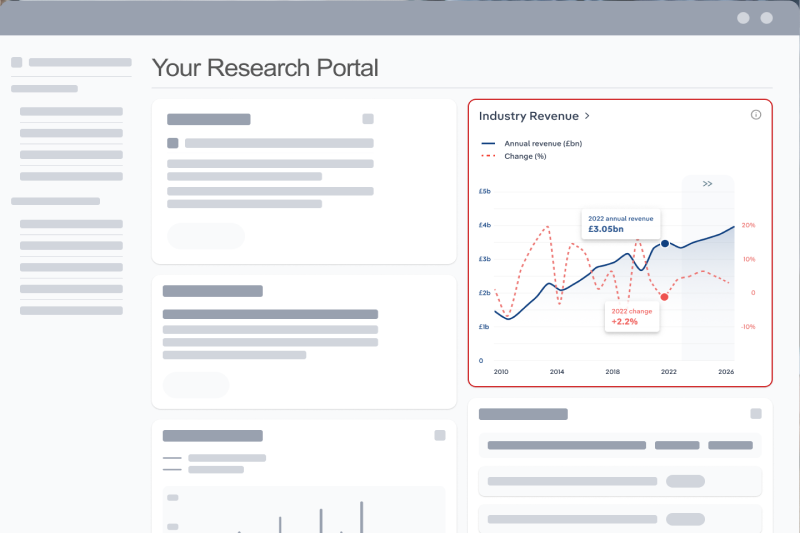
Streamline your workflow with IBISWorld’s intelligence built into your toolkit.
Explore industries with similar markets, supply chains, and economic drivers to gain broader context and insights.
When the stakes are high, you need intelligence that cuts through the noise—wherever you work.
The household consumption expenditure in Australia in 2027 was $1,453.8 billion.
The household consumption expenditure in Australia grew by 2.58% in 2027.
IBISWorld’s data and analysis on household consumption expenditure in Australia includes forecasted growth rates over the next five years.