
IBISWorld Platform
Answer any industry question in minutes with our entire database at your fingertips.

Canada's rental vacancy rate is projected to reach 3.7% in 2026. This continued increase reflects a significant shift in housing market dynamics as elevated interest rates and economic uncertainty reduce rental demand while new supply additions increase available inventory. The sharp increase indicates a notable loosening of rental market conditions across major metropolitan areas, providing relief to prospective tenants who have faced severe affordability constraints in recent years. Immigration policy adjustments and economic headwinds have moderated population growth, reducing pressure on rental housing stock. Construction completions of purpose-built rental developments and condominium projects are adding meaningful supply to markets previously characterized by chronic shortages. However, regional variations remain significant, with urban centers like Toronto and Vancouver maintaining tighter conditions, while smaller markets experience more pronounced increases in vacancy rates. The elevated vacancy rate suggests improved rental affordability prospects for Canadian households, though this adjustment reflects broader economic challenges rather than fundamental improvements in the housing market. Canadian rental vacancy rates have exhibited extraordinary volatility over the past five years, reflecting unprecedented disruptions to housing markets and demographic patterns. The period began with vacancy rates at 3.1% in 2021, as pandemic restrictions increased the number of available rental units due to international student departures, reduced immigration and urban-to-suburban migration, temporarily easing demand pressures in major metropolitan areas. Recovery proved swift and dramatic, with vacancy rates plummeting to 1.9% in 2022 as pandemic-driven migration patterns reversed and record immigration levels drove exceptional rental demand. This represented one of the tightest rental markets in Canadian history, creating severe affordability pressures as available units became scarce across virtually all major centers. Competition for rental housing intensified significantly, with prospective tenants often bidding above asking rents and facing extensive waiting lists for quality accommodations.The trajectory continued downward to 1.5% in 2023, marking the lowest vacancy rate in decades and highlighting the severity of Canada's rental housing shortage. This extreme tightness reflected the convergence of robust immigration policies, limited new rental construction and investor speculation that reduced available rental stock. Government responses included rent control measures and foreign buyer taxes, though these policies had limited immediate impact on vacancy rates. A modest recovery began in 2024, though conditions remained extremely tight by historical standards. This improvement reflected early effects of increased rental construction completions and a slight moderation in population growth rates. However, rental affordability remained severely constrained across major markets, with average rents reaching historic highs relative to median household incomes. The composition of rental markets has also evolved significantly, with purpose-built rental developments gaining prominence while condominium rental supply fluctuated with investor sentiment, leading to a 3.8% CAGR in vacancy rates over the five years to 2026.
Curious about what drives these trends? IBISWorld's analyst coverage on the rental vacancy rate includes detailled analysis on the current performance, outlook and industries affected.
1992-2032
The rental vacancy rate represents the average number of residential rental units available per multifamily complex. The rate is positively correlated with homeownership rates, and a high vacancy rate is indicative of low demand for renting. Data is sourced from the Canada Mortgage and Housing Corporation's Rental Market Survey.
IBISWorld Industry Reports are available in multiple formats to fit seamlessly into your workflow.

Answer any industry question in minutes with our entire database at your fingertips.
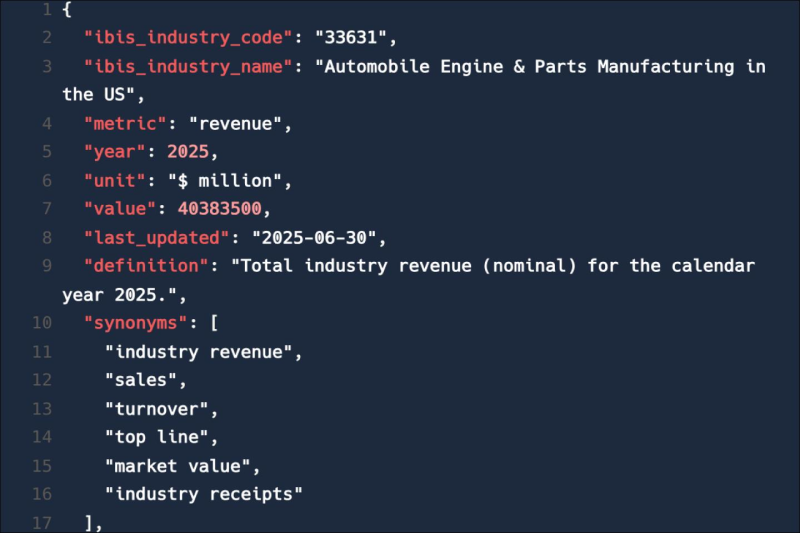
Feed trusted, human-driven industry intelligence straight into your platform.
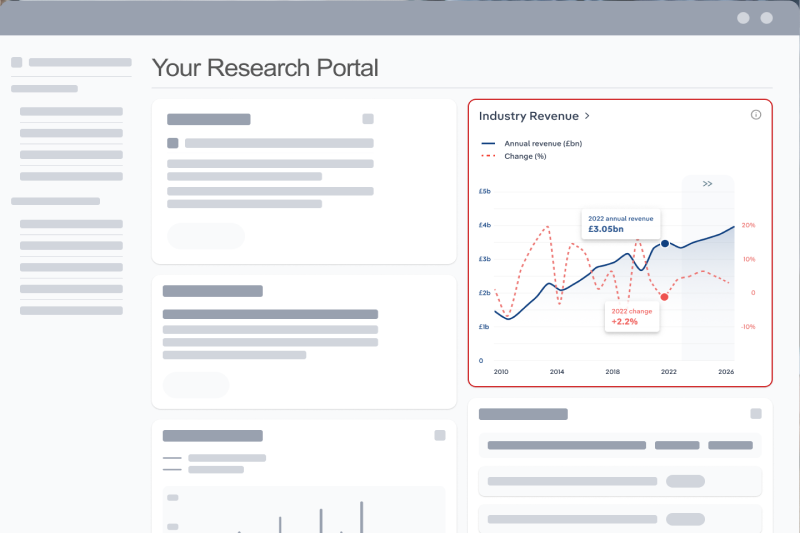
Streamline your workflow with IBISWorld’s intelligence built into your toolkit.
Explore industries with similar markets, supply chains, and economic drivers to gain broader context and insights.
| Industry | Country | Last 5-yr CAGR | Forecast 5-year CAGR | Revenue |
|---|---|---|---|---|
| Property Management in Canada |
|
XX% | XX% | $XX |
| Real Estate Investment Trusts in Canada |
|
XX% | XX% | $XX |
| Apartment & Condominium Construction in Canada |
|
XX% | XX% | $XX |
| Storage & Warehouse Leasing in Canada |
|
XX% | XX% | $XX |
When the stakes are high, you need intelligence that cuts through the noise—wherever you work.
The rental vacancy rate in Canada in 2026 was 3.7%.
The rental vacancy rate in Canada grew by 3.6% in 2026.
IBISWorld’s data and analysis on rental vacancy rate in Canada includes forecasted growth rates over the next five years.