
IBISWorld Platform
Answer any industry question in minutes with our entire database at your fingertips.

Since the 1990s, the price of audio-visual equipment, such as computers, music players and televisions has plummeted, falling almost every year since the index began. The retail price index is measured as a basket of goods, which has developed over time with consumer preferences and, in the case of audio-visual equipment, the available technology. The basket of goods includes flat panel televisions, DAB radios, DVD and Blu-ray players, PCs and peripheral equipment, tablet computers, satellite navigation systems and digital TV receivers and recorders. In 2015, headphones were added to the basket.The long-term downward trend partly reflects the consistent and sizeable quality improvements in the types of equipment available in the retail market as much as declining in the retail price per unit. However, it is clear that the price of many audio-visual products has fallen over the long-term, such as digital cameras and PCs. The reduction in price has been aided by large volumes of cheap imports, both of finished products and electronic components. Globally, many large electronics companies have either shifted their own manufacturing capacity to low-cost countries in East Asia and Eastern Europe, or have outsourced production to manufacturers located in low-cost countries. The import price of electronic goods has fallen considerably over the past 20 years, which has been helped by the strong value of the pound, especially against currencies in importing countries.Greater competition among manufacturers and in the UK retail sector has encouraged lower prices. Similarly, the sharp depreciation in the value of the pound over 2016-17 inflated the price of imports and dampen the decrease of the index. However, the full extent of this was felt over the following year, with average prices rising for the first time since the index was compiled. Although prices are expected to fall in the long run as competition intensifies. Over the five years through 2022-23, the price of audio-visual equipment is expected to fall at a compound annual rate of 0.7% to 6.9 points. Supply side issues in 2020-21 due to the coronavirus pandemic caused audiovisual prices to grow for the first time since 2017-18. Prices continued to grow with a marginal increase in 2021-22 and are forecast to grow 1.1% in the current year as a result of major international inflationary pressures following the reopening of economies from the coronavirus pandemic.
Curious about what drives these trends? IBISWorld's analyst coverage on the audiovisual equipment prices includes detailled analysis on the current performance, outlook and industries affected.
2000-2031
This report analyses the price of audiovisual equipment in the United Kingdom. The data is sourced from the Office for National Statistics (ONS) in addition to estimates by IBISWorld. The data is presented as an index with a base of January 1987 (i.e. January 1987=100). Annual figures are averages over each fiscal year.
IBISWorld Industry Reports are available in multiple formats to fit seamlessly into your workflow.

Answer any industry question in minutes with our entire database at your fingertips.
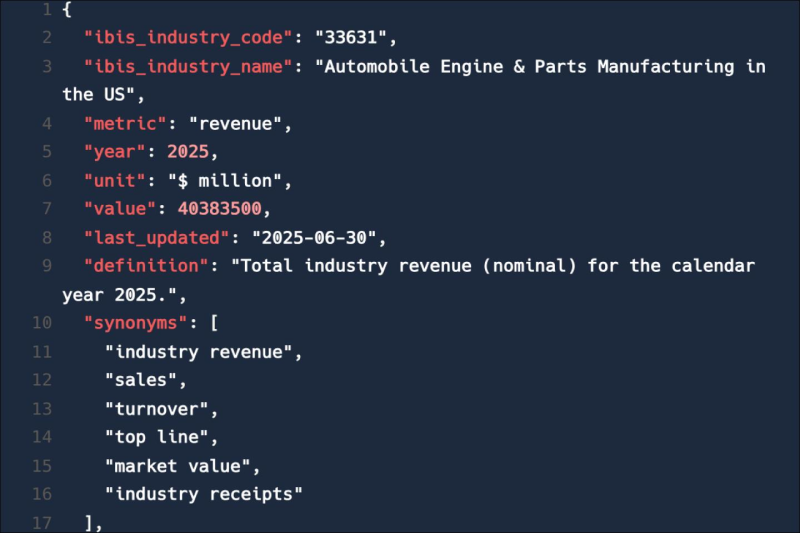
Feed trusted, human-driven industry intelligence straight into your platform.
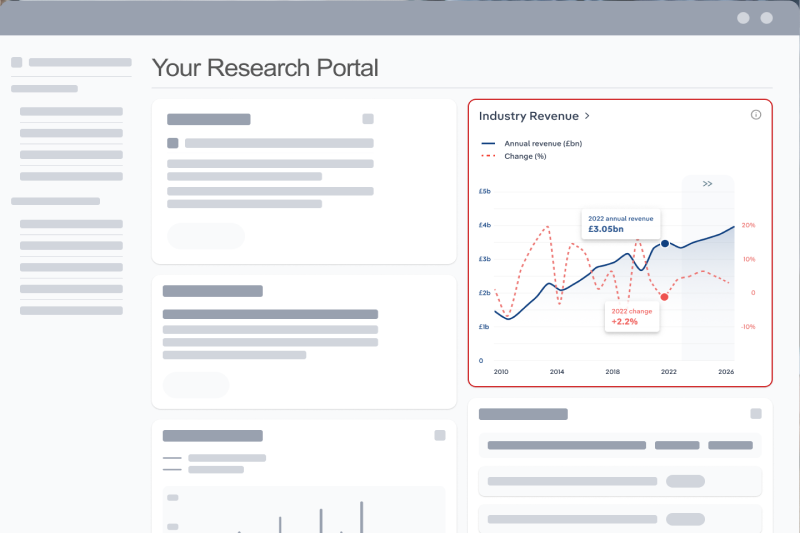
Streamline your workflow with IBISWorld’s intelligence built into your toolkit.
Explore industries with similar markets, supply chains, and economic drivers to gain broader context and insights.
| Industry | Country | Last 5-yr CAGR | Forecast 5-year CAGR | Revenue |
|---|---|---|---|---|
| Computer & Computer Equipment Repair in the UK |
|
XX% | XX% | $XX |
| Audio & Video Equipment Retailers in the UK |
|
XX% | XX% | $XX |
When the stakes are high, you need intelligence that cuts through the noise—wherever you work.
The audiovisual equipment prices in the UK in 2026 was 6.1 index points.
The audiovisual equipment prices in the UK declined by -2.08% in 2026.
IBISWorld’s data and analysis on audiovisual equipment prices in the UK includes forecasted growth rates over the next five years.