
IBISWorld Platform
Answer any industry question in minutes with our entire database at your fingertips.

The average maximum temperature in the United Kingdom is expected to be approximately 13.4°C over 2025-26. This represents a 0.4°C increase from the average temperature of 13.0°C in 2020-21. The highest average annual temperature over the five years through 2025-26 was in the two years through 2023-24, at 13.7°C.Temperatures fell 4.5% in 2017-18 due to a milder summer of 2017 and a cold snap at the beginning of 2018. In 2018-19, temperatures increased 10% off the back of warmer weather throughout the year including a 3.3°C year-on-year rise in the average temperature of July 2018.IBISWorld calculations reveal that the average maximum temperature in the United Kingdom exhibits a moderate level of volatility. The differences in the average maximum temperature are typically within half a degree of the preceding year, which equates to a difference of about 4%. Seasonal differences can impact on the overall average maximum temperature for the year.
Curious about what drives these trends? IBISWorld's analyst coverage on the average maximum temperature includes detailled analysis on the current performance, outlook and industries affected.
2001-2032
This report analyses the average maximum temperature in the United Kingdom. The data is sourced from the Met Office in addition to estimates by IBISWorld. The figures represent the average temperature in degrees Celsius over the period of each financial year (March to April). Long-term average is calculated over a period of 10 years.
IBISWorld Industry Reports are available in multiple formats to fit seamlessly into your workflow.

Answer any industry question in minutes with our entire database at your fingertips.
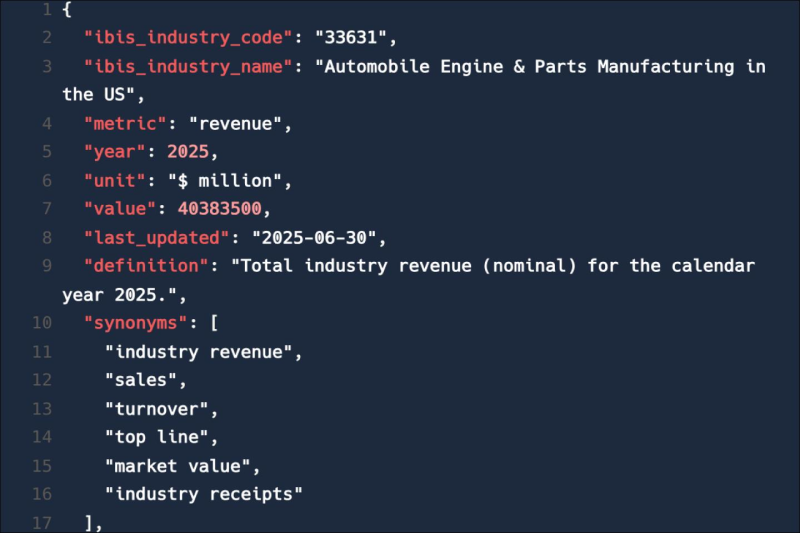
Feed trusted, human-driven industry intelligence straight into your platform.
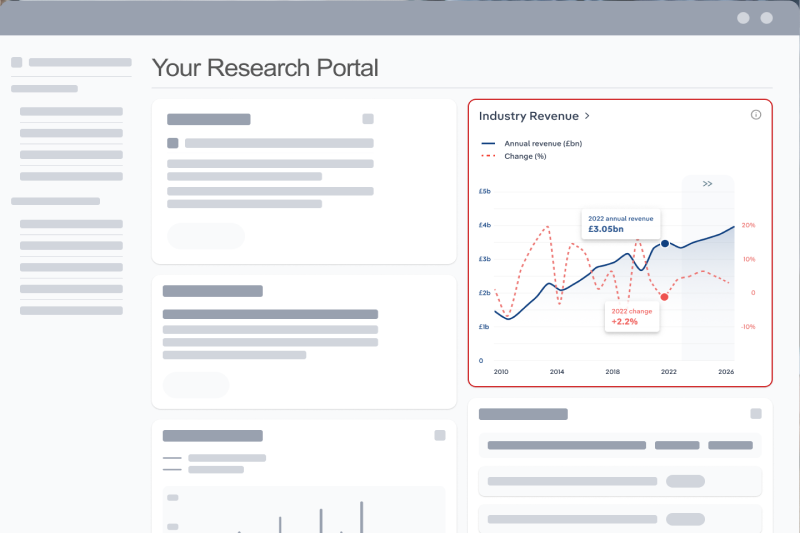
Streamline your workflow with IBISWorld’s intelligence built into your toolkit.
Explore industries with similar markets, supply chains, and economic drivers to gain broader context and insights.
| Industry | Country | Last 5-yr CAGR | Forecast 5-year CAGR | Revenue |
|---|---|---|---|---|
| Gas Distribution in the UK |
|
XX% | XX% | $XX |
| Gas Supply in the UK |
|
XX% | XX% | $XX |
| Salt Extraction in the UK |
|
XX% | XX% | $XX |
| Wine Production in the UK |
|
XX% | XX% | $XX |
| Ice Cream Production in the UK |
|
XX% | XX% | $XX |
| Electricity Distribution in the UK |
|
XX% | XX% | $XX |
| Bottled Water Production in the UK |
|
XX% | XX% | $XX |
| Caravan & Camping Sites in the UK |
|
XX% | XX% | $XX |
| Juice & Smoothie Bars in the UK |
|
XX% | XX% | $XX |
| Pest Control in the UK |
|
XX% | XX% | $XX |
| Radiator & Boiler Manufacturing in the UK |
|
XX% | XX% | $XX |
| Residential RV & Trailer Park Operators in the UK |
|
XX% | XX% | $XX |
| Soft Drink Production in the UK |
|
XX% | XX% | $XX |
| Fabricated Metal Product Repair & Maintenance in the UK |
|
XX% | XX% | $XX |
| Juice Production in the UK |
|
XX% | XX% | $XX |
When the stakes are high, you need intelligence that cuts through the noise—wherever you work.
The average maximum temperature in the UK in 2026 was 13.4 degrees celsius.
The average maximum temperature in the UK grew by 0.61% in 2026.
IBISWorld’s data and analysis on average maximum temperature in the UK includes forecasted growth rates over the next five years.