
IBISWorld Platform
Answer any industry question in minutes with our entire database at your fingertips.

In absolute terms, the difference between the average actual weekly hours worked in 2024-25, relative to 2019-20, is estimated to be 2.5 hours; however, the five-year difference and compound annual growth forecast has been distorted by somewhat anomalistic labour market conditions, whereby the COVID-19 (coronavirus) pandemic and resultant public health restrictions mandated to contain its spread, in addition to the imposition of temporary business support measures by government, sent ripples through the labour market.First during the Spring 2020 lockdown, and thereafter on an intermittent basis as per ad hoc changes to public health restrictions, non-essential businesses were forced to temporarily close their doors or otherwise modify their operations (e.g., ensure social distancing is maintained) in an attempt by government to mitigate the spread of coronavirus. Naturally, reduced capacity across a plethora of market sectors, effectively since the turn of the 2020-21 fiscal year, resulted in a recessionary period and sub-par economic output; moreover, many markets continued to operate sub-optimally post-lockdown(s), relative to pre-pandemic levels. While some businesses saddling with lacklustre lead generation, and insolvency pressures in consequence, have implemented redundancy programmes or cut employee working hours to reduce wage cost burdens, others called on government support measures to 'furlough' staff members while business activity remained sub-optimal. In either instance of furloughing or cut hours, a reduced number of those remaining on payroll have been or are working their regular contracted hours during the pandemic, exerting a drag on the average actual weekly hours worked per UK worker.Typifying reduced working hours across the UK market during the height of the pandemic, HM Revenue and Customs (HMRC) reported that the number of employments 'furloughed' via the Coronavirus Job Retention Scheme (CJRS) peaked at 8.9 million on 8 May 2020. The CJRS, which was first introduced on 23 March 2020 and was subsequently extended and modified, was then phased out and ended on 30 September 2021. The CJRS was a government wage support scheme which allowed employers to reclaim a proportion of the wage cost of 'furloughed' workers (i.e., employees kept on payroll but not required to work). Meanwhile, the UK unemployment rate in the three-month period to November 2020 was estimated by the ONS to be 5%, the first time the rate had risen to the 5% mark since the three-month period extending through August 2016 (5%) and signalling somewhat fragile labour market. However, data in this report, as extracted from the ONS, only includes those in full-time or part-time employment and is therefore unaffected by changes in the number of unemployed. Nevertheless, with those remaining on payroll either being 'furloughed' or having their hours cut, the average actual weekly hours worked across the UK population has naturally reduced.Prior to the pandemic, changes and developments in working practices and working culture caused the average actual weekly hours worked per full-time or part-time UK worker in the UK market to ebb and flow. For instance, part-time employees have become more prevalent in services industries, particularly hospitality and bricks-and-mortar retailing, and among those wanting to become more operationally flexible in recent years, pulling down on the average number of hours worked by UK employees. However, in professional services, such as finance and consultancy, and in growth sectors, like telecoms, media and telecommunications, the unabating demands of those further downstream; the higher salaries offered, and the greater expectations of employers thusly; and employers' expectations that the needs of the job are met, irrespective of pay, has led those the in the aforementioned markets and sectors to extend working hours in some instances, counterbalancing pressures on the average actual weekly hours worked across the UK population.
Curious about what drives these trends? IBISWorld's analyst coverage on the average weekly hours of work includes detailled analysis on the current performance, outlook and industries affected.
2000-2032
This report analyses the average actual weekly hours of work per worker - all workers, main and 2nd job - in the United Kingdom. The data is sourced from the Office for National Statistics (ONS), as collated via the Labour Force Survey (LFS), which is a study of the employment circumstances of the UK population. The LFS is the largest household study in the United Kingdom and provides the official measures of employment and unemployment domestically. The data in this report is adjusted for seasonality and figures, which are presented in fiscal years (i.e., April-March), represent weekly hours of work per worker in the United Kingdom on average over the financial year in question.
IBISWorld Industry Reports are available in multiple formats to fit seamlessly into your workflow.

Answer any industry question in minutes with our entire database at your fingertips.
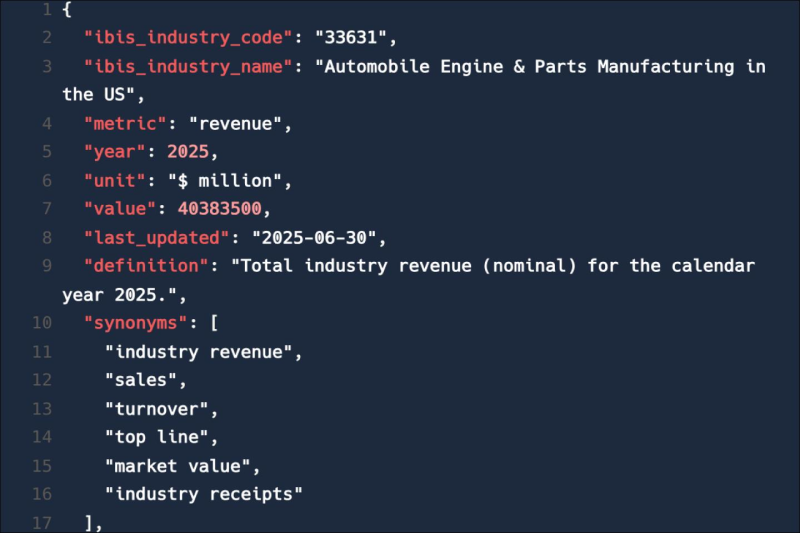
Feed trusted, human-driven industry intelligence straight into your platform.
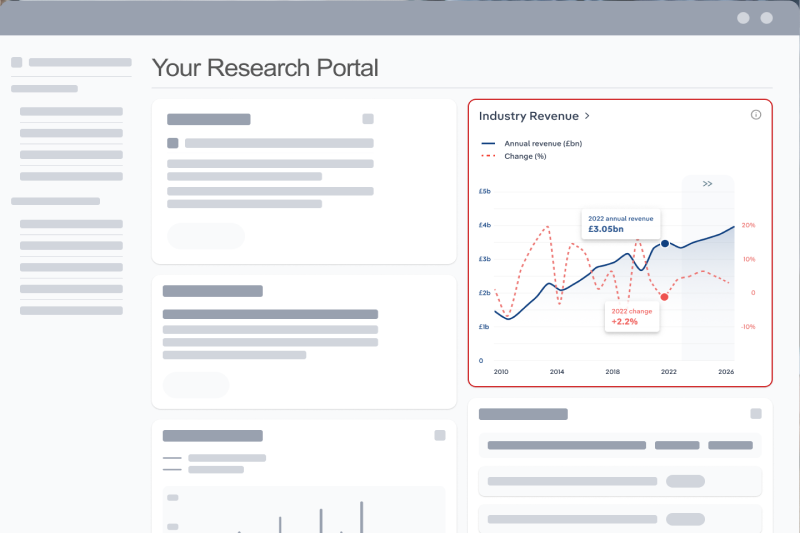
Streamline your workflow with IBISWorld’s intelligence built into your toolkit.
Explore industries with similar markets, supply chains, and economic drivers to gain broader context and insights.
When the stakes are high, you need intelligence that cuts through the noise—wherever you work.
The average weekly hours of work in the UK in 2026 was 36.53 hours per week.
The average weekly hours of work in the UK grew by 0.57% in 2026.
IBISWorld’s data and analysis on average weekly hours of work in the UK includes forecasted growth rates over the next five years.