
IBISWorld Platform
Answer any industry question in minutes with our entire database at your fingertips.

Over the five-year period through 2026-27, total unsecured gross lending is forecast to increase at a compound annual rate of 8.1% to reach £437.4 billion. Amid the higher base rate environment following the COVID-19 outbreak, demand for consumer credit has slowed significantly. This has been exacerbated by gloomy economic conditions, deterring individuals from taking on debt. On 4 August 2016, the BoE Monetary Policy Committee (MPC) opted to cut interest rates to a then record low 0.25%, in the first official bank rate reduction since March 2009 - the BoE cited the need to stimulate the economy and encourage consumer spending amidst market uncertainties borne out from the shock referendum result in June 2016. While the BoE MPC subsequently pushed them back up to 0.5% on 2 November 2017 - this was the first increase since July 2007 and was imposed to help nip inflationary pressures in the bud - and hiked the rate again on 2 August 2018, to 0.75% and its highest level since March 2009, the official bank rate remained low against historical standards and, with wage growth remaining lacklustre, consumers relied on unsecured loan formats to keep abreast of payments. Meanwhile, from the perspective of the lender, banks became increasingly willing to expand the supply of unsecured lending due to falling default rates and squeezed profit margins from alternative forms of lending. Ultimately, a policy backdrop in support of consumer spending and a willingness among banks to cater for the credit requirements of consumers had, prior to the pandemic, driven consistent year-on-year growth in unsecured gross lending.In 2020-21, however, unsecured gross lending plummeted by 25.2% year-on-year amid knock-on economic disruption, falling to an estimated £223.9 billion and the smallest financial year total since 2013-14 (£212.9 million). Lockdown measures across the United Kingdom were first imposed on 23 March 2020 and subsequently relaxed, reinstated or otherwise modified ad hoc thereafter. With stay-at-home orders, mandated temporary business closures and other stringent public health restrictions prevalent for the duration of 2020-21, thus causing economic activity to nosedive to a nadir during Q2 2020, the BoE MPC moved swiftly to announce an emergency cut to the official bank rate on 11 March 2020, from 0.75% to 0.25%, taking borrowing costs back down to the then lowest level in history in the hope of supporting net cashflows of borrowers and stimulating overall money flow in the wider economy. The BoE MPC went further on 19 March 2020, cutting the rate again to a new record low 0.1%, after indicative signs that the UK financial market could become disorderly, and result in currency markets disposing of the pound sterling in favour of the "safe haven" US dollar. While, theoretically, the effectively reduced cost of debt would under "normal" circumstances support the propensity to apply for credit, the BoE's "Credit Conditions Survey" publication reported that overall demand for unsecured lending decreased significantly during the crux of the pandemic, comprising a decrease in both demand for credit card and other unsecured lending. Regardless of low borrowing costs, consumers developed a low appetite for new debt and, as economic activity proved lacklustre and as cracks emerged in the job market despite supportive measures, a precautionary pullback in non-essential spending was typified by consumers' limited need and or propensity take out unsecured loans. Accordingly, 2020-21 (-25.2%) represented the largest year-on-year decline in consumer credit since at least the turn of the millennium – the second largest decline since 2000 was recorded in 2008-09 (-10.6%), during the depths of the financial crisis.In 2021-22, total unsecured gross lending recovered by 32.5% on an annual basis. Moving into the new financial year, consumer credit increased from a low base as society reopened subsequent to national lockdown and Britons have resumed borrowing. Further to this, the base interest rate remained at its historically-low level of 0.1% for most of 2021, until the BoE opted to hike the rate back to 0.25% on 16 December 2021, and following subsequent increases, raised the rate of interest to 2.25% in September 2022 in response to mounting inflationary pressures. Capitalising on low cost of borrowing and so as to meet payments – with pent-up demand released while supply chain disruption ensued, consumer prices and household costs began to creep upwards as the economy reopened – individuals sought more credit finance. Despite the BoE taking a harsher stance with regards to monetary policy in an attempt to stem exponential inflation, opting to raise the base rate on 3 February 2022 (0.5%), 17 March 2022 (0.75%) and again on 5 May 2022 (1%), consumer credit is expected to remain on an upwards trajectory; total unsecured gross lending is forecast to increase by 14.8% in 2022-23. Borrowing costs have increased in response to the 12-month inflation rate hitting new heights – 10.1% in July 2022 – and while this would regularly disincentivise borrowing, a cost-of-living crisis, epitomised by rising consumer prices and surging energy costs, has meant that more consumers have had to call on debt finance to meet payments. Should this trend ensure through the near-term, total unsecured gross lending is expected to remain on an upwards trajectory.
Curious about what drives these trends? IBISWorld's analyst coverage on the consumer credit includes detailled analysis on the current performance, outlook and industries affected.
2010-2033
This report analyses the total unsecured gross lending to individuals within the United Kingdom; this includes lending by monetary financial institutions (MFIs) and other consumer credit lenders, albeit excludes lending for the purposes of student loans. The data is sourced from the Bank of England (BoE) and values presented represent the sum of seasonally adjusted monthly figures over a given financial year (i.e., April-March). Forecast estimates are produced by IBISWorld.
IBISWorld Industry Reports are available in multiple formats to fit seamlessly into your workflow.

Answer any industry question in minutes with our entire database at your fingertips.
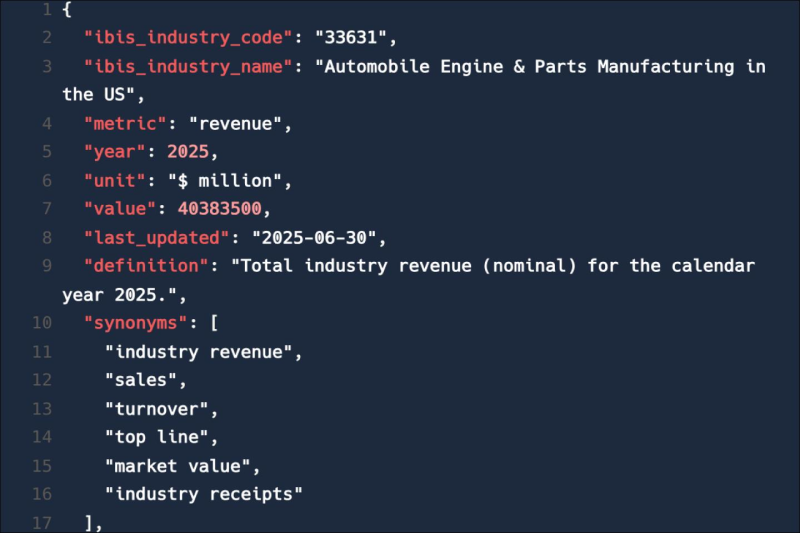
Feed trusted, human-driven industry intelligence straight into your platform.
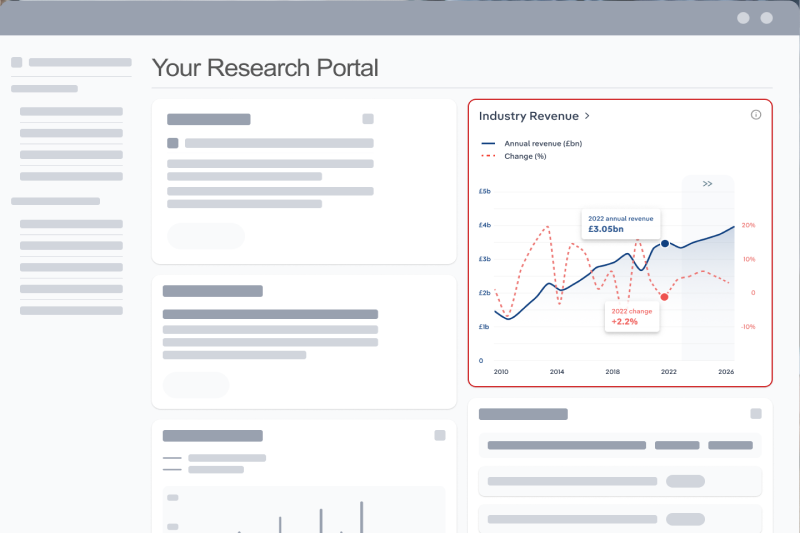
Streamline your workflow with IBISWorld’s intelligence built into your toolkit.
Explore industries with similar markets, supply chains, and economic drivers to gain broader context and insights.
| Industry | Country | Last 5-yr CAGR | Forecast 5-year CAGR | Revenue |
|---|---|---|---|---|
| Funeral Activities in the UK |
|
XX% | XX% | $XX |
When the stakes are high, you need intelligence that cuts through the noise—wherever you work.
The consumer credit in the UK in 2027 was 437.4 £ billion.
The consumer credit in the UK grew by 8.07% in 2027.
IBISWorld’s data and analysis on consumer credit in the UK includes forecasted growth rates over the next five years.