
IBISWorld Platform
Answer any industry question in minutes with our entire database at your fingertips.

Fertiliser is used primarily in agricultural applications, making downstream farming the lead source of demand. Natural gas is a critical input in the energy-intensive production of nitrogenous fertiliser, the most widely used type, accounting for an estimated 60–80% of nitrogen fertiliser production costs. It is used in the synthesis of ammonia, which forms the basis of all nitrogen fertilisers.Over the five years through 2026-27, prices grew at a compound annual rate of 2.4%. The period opened with a sharp price surge following the Russian invasion of Ukraine in 2022, which severely disrupted European gas supplies, compounding the effects of tight global supply already pushing energy prices higher. After a period of easing in 2023–24, prices began rising again in 2025, driven by tight global supply conditions and increased production costs. This was further amplified by lower-than-usual UK and EU gas storage levels and renewed geopolitical tensions in the Middle East, with gas prices rising sharply in early 2026. The US-Iran conflict in early 2026 has disrupted exports of liquified natural gas from Qatar, a crucial supplier of natural gas to Europe and other parts of the world. The UK market's heavy reliance on imported fertilisers continues to leave prices exposed to currency weakness and global supply disruptions.
Curious about what drives these trends? IBISWorld's analyst coverage on the fertiliser prices includes detailled analysis on the current performance, outlook and industries affected.
2002-2033
This report analyses the change in UK fertiliser prices. The data, which tracks shifts in the prices of fertilisers and soil improvers, is sourced from the Department for Environment, Food & Rural Affairs (Defra) and also includes IBISWorld forecasts. Given figures are presented as an index with a base year of the calendar year 2020 (i.e., 2020 = 100) and represent averages over financial years.
IBISWorld Industry Reports are available in multiple formats to fit seamlessly into your workflow.

Answer any industry question in minutes with our entire database at your fingertips.
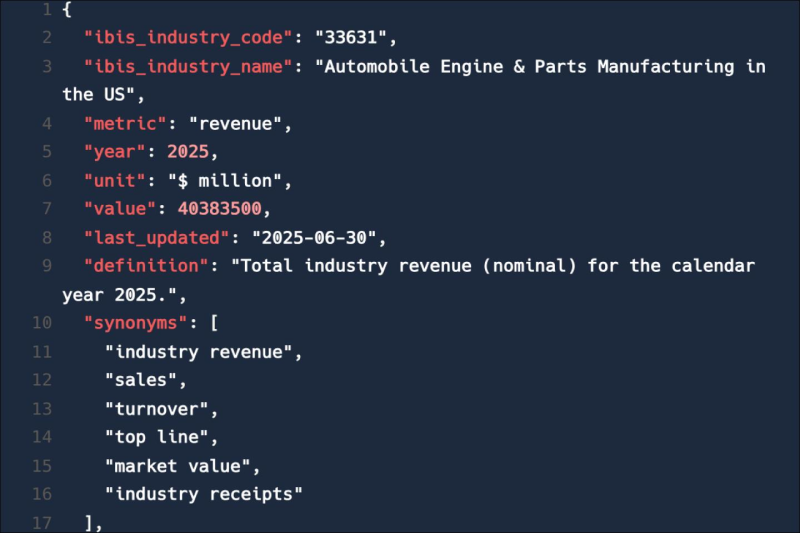
Feed trusted, human-driven industry intelligence straight into your platform.
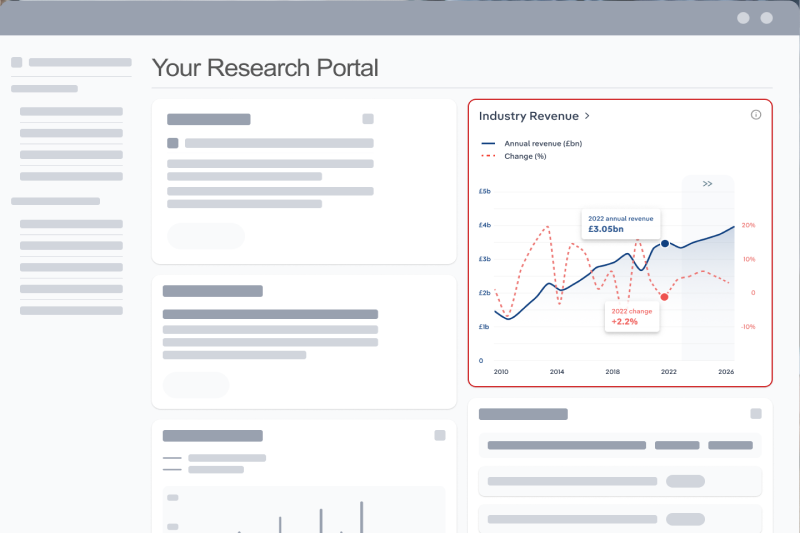
Streamline your workflow with IBISWorld’s intelligence built into your toolkit.
Explore industries with similar markets, supply chains, and economic drivers to gain broader context and insights.
| Industry | Country | Last 5-yr CAGR | Forecast 5-year CAGR | Revenue |
|---|---|---|---|---|
| Chemical & Fertiliser Mineral Mining in the UK |
|
XX% | XX% | $XX |
| Vegetable Growing in the UK |
|
XX% | XX% | $XX |
| Cereals, Leguminous Crops & Oilseed Growing in the UK |
|
XX% | XX% | $XX |
| Fertiliser & Nitrogen Compound Manufacturing in the UK |
|
XX% | XX% | $XX |
| Precision Agriculture Systems & Services in the UK |
|
XX% | XX% | $XX |
When the stakes are high, you need intelligence that cuts through the noise—wherever you work.
The fertiliser prices in the UK in 2027 was 208.78 index points.
The fertiliser prices in the UK grew by 2.42% in 2027.
IBISWorld’s data and analysis on fertiliser prices in the UK includes forecasted growth rates over the next five years.