
IBISWorld Platform
Answer any industry question in minutes with our entire database at your fingertips.

The number of inbound tourists is expected to rise at a compound annual rate of35.4% to 42.4 million people over the five years through 2026-27.The three main reasons that visitors come to the United Kingdom is for holidays, business or to visit friends and relatives. According to the International Passenger Survey, holidaying accounts for the majority of visits usually with 41% of the total, followed by visiting family and friends. Meanwhile, business trips constitute just over 21% of total visits, while miscellaneous purposes account for the smallest proportion in 2019. The number of overseas visitors to the UK each year is influenced by a number of factors, including the comparative value of the pound, level of security in the country, economic activity and media coverage of the United Kingdom as a tourist destination. London is the key attraction for most UK visitors, which are most commonly from the United States and France, Germany.According to the Anholt-Ipsos Nations Brand Index, the United Kingdom has one of the strongest international brands based on tourism, culture, people, immigration/investment, exports and governance. In 2021, the United Kingdom is ranked in fifth place according to the indicators, falling a few places behind France, Sweden and Australia.Over 2016-17, the sharp depreciation of the pound following the electoral decision to leave the European Union boosted international tourist numbers as prices in sterling became relatively cheaper, making trips to the United Kingdom increasingly attractive. Earnings from international tourists also increased strongly over the year, by 4.9% compared with the year before. Despite projected growth due to a range of sports events, such as the hosting of the ICC Cricket Champions Trophy, as well as the appeal of the Royal Wedding, growth slowed over 2017-18. However, although growth slowed, earnings from international tourists increased in 2017-18, by 6.4% to reach the highest number on record. This is expected to have been attributed to the weak pound. In 2018-19, international tourist numbers fell 1.7% from its peak in the previous year due to a decline in all categories of journey purpose.In the final two years of the period, the number of international tourists visiting the United Kingdom fell massively due to the pandemic. Though the decline began in the final quarter of 2019-20, the greatest impact has been felt in 2020-21, with tourist numbers falling to a record low of 4.6 million over the year. Continued spread of the virus in the UK led to further lockdown measures in November 2020 and January 2021, causing continued limit on international visitors. In the current year tourism number are expected to grow substantially, though are expected to remain far below pre-pandemic levels. Curbs on international tourism have been reduced from 17 May 2021, and most remaining restrictions are due to be lifted from 21 June 2021. The UK is also hosted a number of matches at EURO 2020, which was delayed to summer 2021 due to the pandemic, further inflating international tourism. Despite the recovery in international tourist numbers, new variants of the coronavirus which led to further restrictions including a short-term red list in December 2021, which required visitors from affected countries to quarantine for ten days. This led to a sharp decline in visitors during the month, with visitors delaying travel. This was removed shortly after as it was deemed there was community spread in the United Kingdom. In 2021-22 the number of international tourists expanded by 102.2%.In February 2022, President Vladimir Putin announced that Russia was initiating a "special military operation" in the Donbas region, and proceeded to launch a full-scale invasion into Ukraine. This led to a wave of sanctions which included a ban on Russian operated flights which is expected to reduce the number of international visitors. In addition, a ban on Russian oil and gas has also led to higher costs of airline fuel which is likely to increase prices of flights. Travellers from destinations that have stop-overs in Russia and with Russian operated flights are likely to delay travel, which reduces international tourist numbers. Oil and gas prices have expanded sharply and the majority of travel operators have passed on higher prices to customers. Despite this, the number of international tourist numbers expanded by 296.7% as foreigners flocked back in. International tourist numbers is forecast to rise by 1.4% in 2025-26. The number of international tourists is set to fall in the short term because the US-Iran conflict is disrupting global air travel, especially Middle Eastern transit hubs, leading to fewer international visitors reaching the UK due to flight cancellations, rerouting, higher travel costs, and reduced traveller confidence. UK-bound tourism is indirectly hit because many long-haul routes rely on Gulf hubs like Dubai, Doha, and Abu Dhabi. Airlines operating in these regions have cancelled flights due to closed airspace and reduced passenger volumes.
Curious about what drives these trends? IBISWorld's analyst coverage on the international tourist numbers includes detailled analysis on the current performance, outlook and industries affected.
2000-2033
This report analyses the number of tourists entering the United Kingdom. The data is sourced from the Office for National Statistics (ONS) in addition to estimates by IBISWorld. The data is originally sourced from the International Passenger Survey, a survey developed by the ONS, which produces estimates on the basis of 250,000 interviews conducted over a year. Interviews are carried out at all major airports and sea routes, at Eurostar terminals and on Eurotunnel shuttle trains. Quarterly data is summed to produce visitor figures over financial years and is not seasonally adjusted.
IBISWorld Industry Reports are available in multiple formats to fit seamlessly into your workflow.
Answer any industry question in minutes with our entire database at your fingertips.
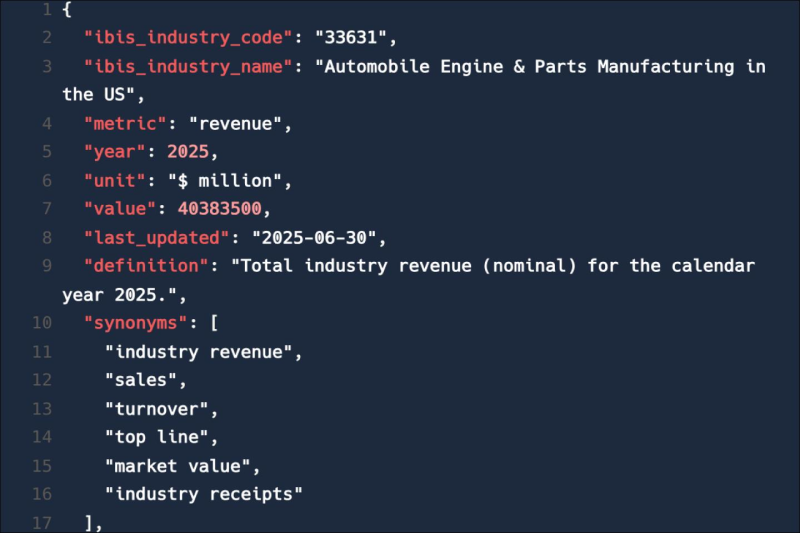
Feed trusted, human-driven industry intelligence straight into your platform.
Streamline your workflow with IBISWorld’s intelligence built into your toolkit.
Explore industries with similar markets, supply chains, and economic drivers to gain broader context and insights.
When the stakes are high, you need intelligence that cuts through the noise—wherever you work.
The international tourist numbers in the UK in 2027 was 42,378.3 thousands of people.
The international tourist numbers in the UK grew by 35.4% in 2027.
IBISWorld’s data and analysis on international tourist numbers in the UK includes forecasted growth rates over the next five years.