
IBISWorld Platform
Answer any industry question in minutes with our entire database at your fingertips.

In 2025-26, the level of obesity in the United Kingdom is expected to reach 64.6%, a 0.2 percentage point increase on the previous year. Britain has one of the highest levels of obesity in Europe, as 26.5% of the population are classified as obese in 2023-24. Obesity is classified using the Body Mass Index (BMI), which measures an individual's mass and height. The BMI is calculated as an individual's body mass divided by the square of their height. People with a BMI measure of more than 25 are considered to be overweight and those with a measure greater than 30 are classified as obese. A healthy BMI is considered in the range of 18.5 and 25. The level of obesity is affected by eating and exercising habits, income, consumer trends, food regulations and government campaigns.Social factors are the main driver of the long-term trend towards greater numbers of overweight and obese adults. Obesity is caused by an imbalance between energy intake and energy expenditure. The World Health Organisation identified a long-term trend in many developed economies towards less exercise and increased consumption of energy-dense, nutrient poor foods. The growing percentage of overweight people increases the burden on the medical system and the economy. The UK government has made concerted efforts in recent years to raise awareness of the health risks associated with being overweight and obese.The costs to the economy are reflected in the burden on the National Health Service (NHS). The health outcomes of obesity vary across the country. The level of obesity varies dependant on gender, socio-economic background and location. Obesity levels tend to be higher in Scotland and the North, regions which tend to have lower earnings. Over the period, the government has increased its pressure on the food and drinks industry to reduce the calorific content of their products in order to reduce levels of obesity among the public with Public Health England's Sugar Reduction Programme, which challenged 10 food industries to reduce their sugar content by 20% between 2016 and 2020. Additionally, the government has imposed a Soft Drinks Industry Levy in April 2018, which charges manufacturers a fee for higher levels of sugars in their drinks. This is expected to be passed on to consumers and encourage greater uptake of sugar-free drinks.Over the five years through 2025-26, the percentage of the adult population that are classified as overweight or obese is estimated to have increased by 0.8 percentage points. Despite relatively stable physical activity levels, increased consumption of high-calorie ultra-processed foods—often cheaper and more accessible—has emerged as the primary driver. Rising deprivation and living costs amplify reliance on these foods, creating an "obesogenic" environment. Additionally, sedentary lifestyles, desk-based employment, and limited access to affordable healthy options, particularly in deprived communities, have contributed to the upward trend.
Curious about what drives these trends? IBISWorld's analyst coverage on the level of obesity includes detailled analysis on the current performance, outlook and industries affected.
2001-2032
This report analyses the level of obesity among the adult population in the United Kingdom. For the purposes of this report, obesity considers those that are overweight and obese. The data is sourced from the Organisation for Economic Co-operation and Development (OECD) in addition to IBISWorld estimates. The figures represent the percentage of people aged 15 and over that are classified as being either overweight or obese and are standardised by the OECD for international comparison. Data is reported in calendar years.
IBISWorld Industry Reports are available in multiple formats to fit seamlessly into your workflow.

Answer any industry question in minutes with our entire database at your fingertips.
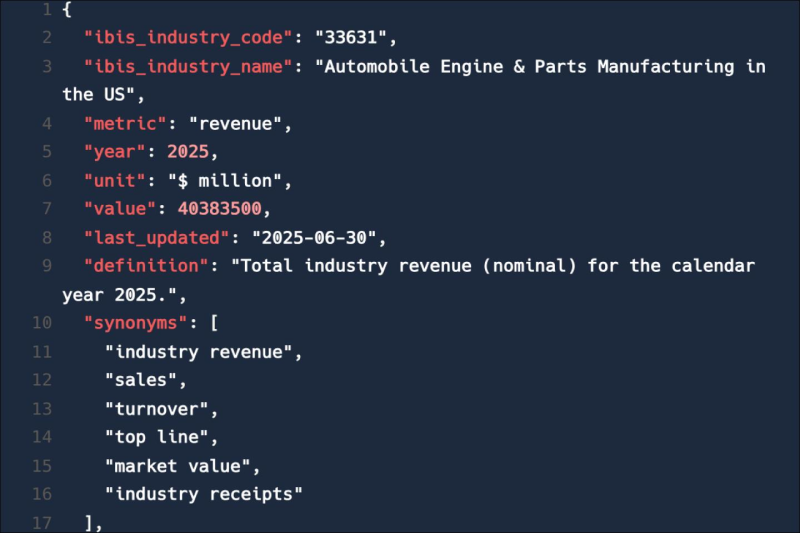
Feed trusted, human-driven industry intelligence straight into your platform.
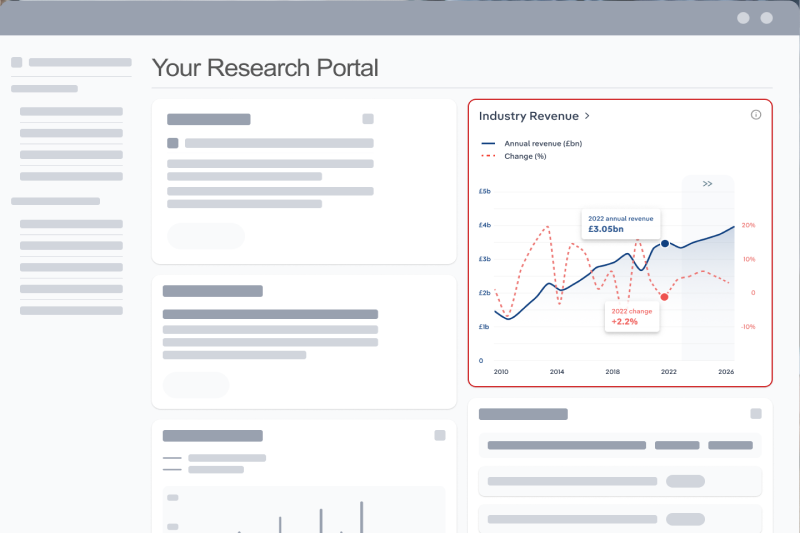
Streamline your workflow with IBISWorld’s intelligence built into your toolkit.
Explore industries with similar markets, supply chains, and economic drivers to gain broader context and insights.
| Industry | Country | Last 5-yr CAGR | Forecast 5-year CAGR | Revenue |
|---|---|---|---|---|
| Plus-Size Women's Clothing Stores in the UK |
|
XX% | XX% | $XX |
| Specialist Medical Practices in the UK |
|
XX% | XX% | $XX |
| Medical & Dental Instrument Manufacturing in the UK |
|
XX% | XX% | $XX |
| Allied Health-Care Services in the UK |
|
XX% | XX% | $XX |
| General Medical Practices in the UK |
|
XX% | XX% | $XX |
| Hospitals in the UK |
|
XX% | XX% | $XX |
When the stakes are high, you need intelligence that cuts through the noise—wherever you work.
The level of obesity in the UK in 2026 was 64.6 percentage.
The level of obesity in the UK grew by 0.16% in 2026.
IBISWorld’s data and analysis on level of obesity in the UK includes forecasted growth rates over the next five years.