
IBISWorld Platform
Answer any industry question in minutes with our entire database at your fingertips.

IBISWorld estimates that the marriage rate will riseat a compound annual rate of 12.3% over the five years through 2025-26, to 6.8 persons marrying per 1,000 people. The historical trend for marriage in England and Wales has been one of decline as attitudes towards marriage are changing and the median age for marriage continues to rise. Less people believe in the requirement for marriage before starting a family and increasing income equality between men and women means more people are willing to be independent. Women are also more career-focused, leaving marriage and families to a much later age. According to data from the ONS, the current median age for marriage is estimated at 34.3 for men and 31.9 for women in 2019, a stark difference from 1975 when the median ages were 28.8 and 26.2 years respectively. These days, couples are more comfortable with the idea of co-habiting without the need to take the extra step to marriage. The types of marriages are rapidly changing as well and now less than 30% of marriages are religious services, compared to the previous decade.An increase in immigration has supported marriage rates as individuals arriving in the United Kingdom from foreign countries with stronger cultural values on marriage are more likely to marry than that of the general UK population. In 2014-15, the marriage rate rose due to the legalisation of same-sex marriage from 29 March 2014, with this number of same-sex marriages being included in the total rate from that year on. Although same-sex marriages account for a very small proportion of total marriages, approximately 3.1% in 2019 according to the latest data from the ONS, rates have remained steady while opposite-sex marriage rates have fallen.In 2020-21, the marriage rate is expected to have fallen by 37.7%, to 3.8 persons marrying per 1,000 people. This was due to the impact of the COVID-19 (coronavirus) outbreak. The United Kingdom's response to the coronavirus included lockdown measures such as stay at home advice, forced closures and a temporary ban on weddings under almost all circumstances since the UK's lockdown began on 23 March 2020. The ONS have estimated that approximately 73,600 weddings and same-sex civil partnership ceremonies were postponed during the first three months of lockdown between March 2020 and June 2020. It is important to note that these figures exclude the cancelled wedding ceremonies due to the coronavirus restrictions. The number and the allowance of weddings has fluctuated with further lockdowns and the tier systems.However, in 2021-22 the marriage rate rose by 86.2%, to 7.1 persons marrying per 1,000 people. Weddings of up to 15 people were allowed to occur from 12 April 2021. While on 17 May 2021 weddings of up to 30 people were permitted to occur. Furthermore, all limits on the number of people allowed to attend weddings, civil partnerships and receptions were lifted in England from 19 July 2021. This expected to be facilitated through the reopening of the domestic and global economy. The rate of marriage is projected to grow into the current year, reaching 6.8 persons per 1,000.
Curious about what drives these trends? IBISWorld's analyst coverage on the marriage rate includes detailled analysis on the current performance, outlook and industries affected.
2001-2032
This report analyses the marriage rate in England and Wales. The figures represent the number of persons marrying per 1,000 people of all ages in each financial year. The data is sourced from the Office for National Statistics (ONS) in addition to estimates by IBISWorld. The data represents the marriage rate for both opposite and same-sex marriage, but excludes civil partnerships.
IBISWorld Industry Reports are available in multiple formats to fit seamlessly into your workflow.

Answer any industry question in minutes with our entire database at your fingertips.
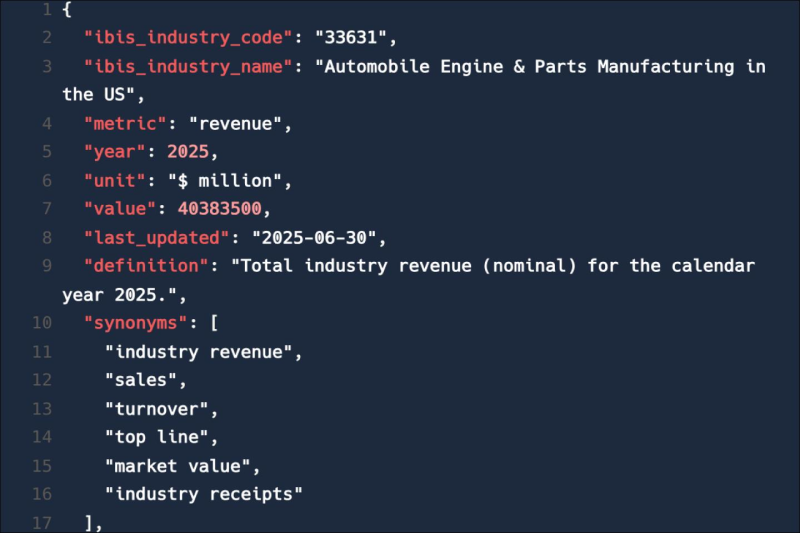
Feed trusted, human-driven industry intelligence straight into your platform.
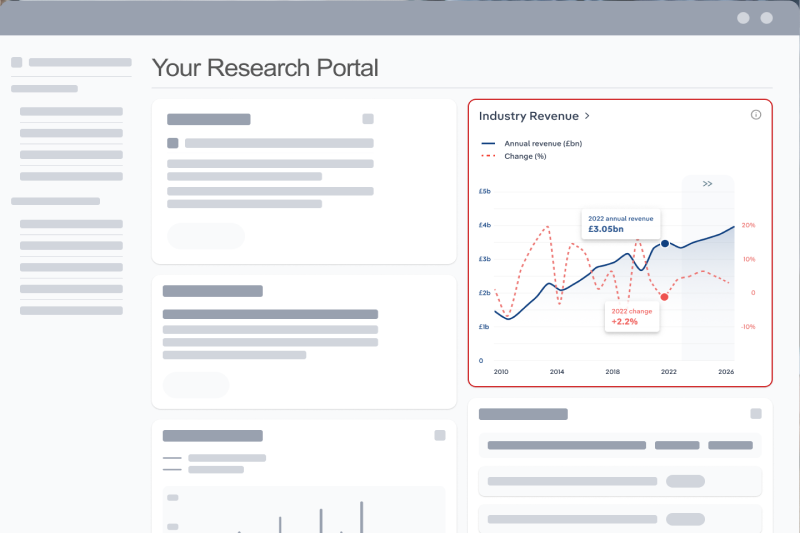
Streamline your workflow with IBISWorld’s intelligence built into your toolkit.
Explore industries with similar markets, supply chains, and economic drivers to gain broader context and insights.
| Industry | Country | Last 5-yr CAGR | Forecast 5-year CAGR | Revenue |
|---|---|---|---|---|
| Wedding Venues in the UK |
|
XX% | XX% | $XX |
| Bridal Stores in the UK |
|
XX% | XX% | $XX |
| Party & Event Planners in the UK |
|
XX% | XX% | $XX |
| Photographic Activities in the UK |
|
XX% | XX% | $XX |
| Catering Services in the UK |
|
XX% | XX% | $XX |
| Dating Services in the UK |
|
XX% | XX% | $XX |
| Florists in the UK |
|
XX% | XX% | $XX |
When the stakes are high, you need intelligence that cuts through the noise—wherever you work.
The marriage rate in the UK in 2026 was 6.79 ratio.
The marriage rate in the UK grew by 12.3% in 2026.
IBISWorld’s data and analysis on marriage rate in the UK includes forecasted growth rates over the next five years.