
IBISWorld Platform
Answer any industry question in minutes with our entire database at your fingertips.

IBISWorld expects that the new car prices, as measured by the ONS's Consumer Price Index (CPI) for new cars, will increase at a compound annual rate of 3.6% over the five years through 2025-26, to 139.2 points. The price of new cars has been steadily driven up by the increasing share of more alternatively fuelled cars sold in the United Kingdom as well as the weakness of the pound throughout the past five years.The ONS measures new car prices by sampling approximately 50 of the latest cars on the market that represent a large range of manufacturers, which are then quality adjusted for changes in specifications by estimating the value of the options that have become standard since the last time prices were measured. New car prices largely depend on the pricing decisions of manufacturers, which in turn depend on production costs, research and development expenditure and so forth. Consequently, the value of the exchange rate also influences the price of cars sold in the domestic market which are manufactured and sourced from abroad. Underlying demand for motor vehicles has a direct effect on the price of new cars due to the laws of supply and demand, while demand for new cars depends on economic conditions: when household finances are tight, consumers are more likely to defer buying a new car. Credit conditions are also an important determinant of demand as many car purchases are made on finance. Other complementary costs may put consumers off buying a new car, including the price of insurance and cost of financing, which is affected by interest rates.High manufacturing costs due to inflated costs because of the weakness of the pound increased prices. The trade-weighted value of the pound depreciated sharply against the Euro following the electoral decision to leave the European Union in June 2016. Imported cars account for the majority of new cars bought and therefore the depreciation of the pound increased the average price of new cars offered by dealerships. The value of the pound has increased since 2019-20, which has somewhat brought down the cost of purchasing inputs.In 2020-21, the COVID-19 (coronavirus) pandemic has had a profound effect on the automotive industry. New car registrations registered a steep decline in March and April 2020 and UK manufacturers closed plants in order to observe measures announced by the government aimed at stemming the spread of the virus. Customers delayed purchases of discretionary items as economic activity halted and household income decreased. For most dealers, demand fell significantly, however dealers were reluctant to reduce prices of vehicles purchase prior to the pandemic. According to the Society of Motor Manufacturers and Traders, new car registrations fell by 29.4% in 2020, when compared to 2019. New car sales continue to be sluggish in 2023 due to rising prices and customers favouring more used cars.The temporary halt to domestic and foreign manufacturing affected supply chains and supply of new vehicles which placed upward pressure on prices. Further, many consumers are opted to purchase electric vehicles which have a significantly higher cost due to more expensive inputs but offer environmental benefits and lower maintenance costs than traditionally-fuelled vehicles. Demand for these vehicles increased throughout the year, despite a depressed market. Demand recovered in 2021-22 with eased lockdown measures as the majority of the population has been vaccinated. Customers that delayed purchases over the past year have returned to the market as dealerships reopened without restrictions from July 2021. As a result of recovering demand, new car prices expanded by 3.3% in 2021-22. Supply chain disruptions and semiconductor shortages have also contributed to rising prices. In 2023-24, inflationary pressure and semiconductor shortages increased the cost of inputs which is expected to contributed to rising prices, which rose by 3.9%. Rising costs of raw materials and components has contributed to rising new car prices as shown by Autocar.
Curious about what drives these trends? IBISWorld's analyst coverage on the new car prices includes detailled analysis on the current performance, outlook and industries affected.
2000-2032
This report analyses new car prices in the United Kingdom. The data is sourced from the Office for National Statistics (ONS) in addition to estimates by IBISWorld. The data is originally sourced from the consumer price index data series and annual figures represent the average value of the index over the financial year. The index base year is 2015: that is, the average of the 2015 calendar year equals 100.
IBISWorld Industry Reports are available in multiple formats to fit seamlessly into your workflow.

Answer any industry question in minutes with our entire database at your fingertips.
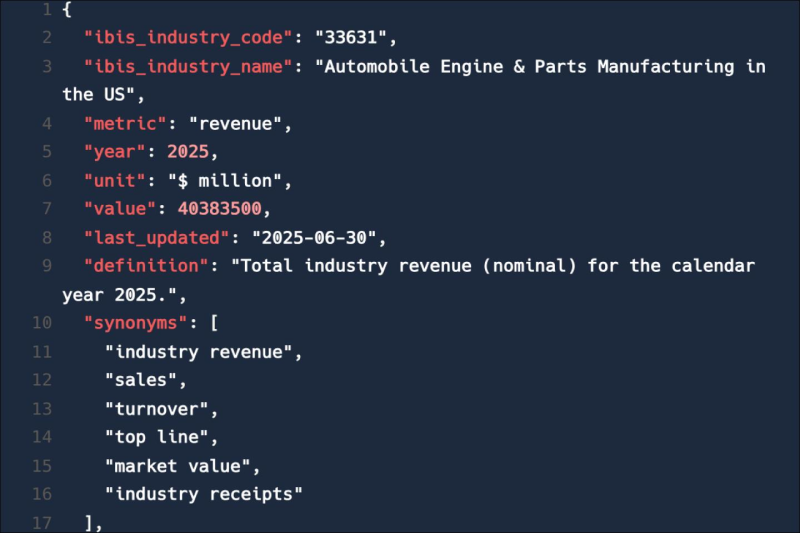
Feed trusted, human-driven industry intelligence straight into your platform.
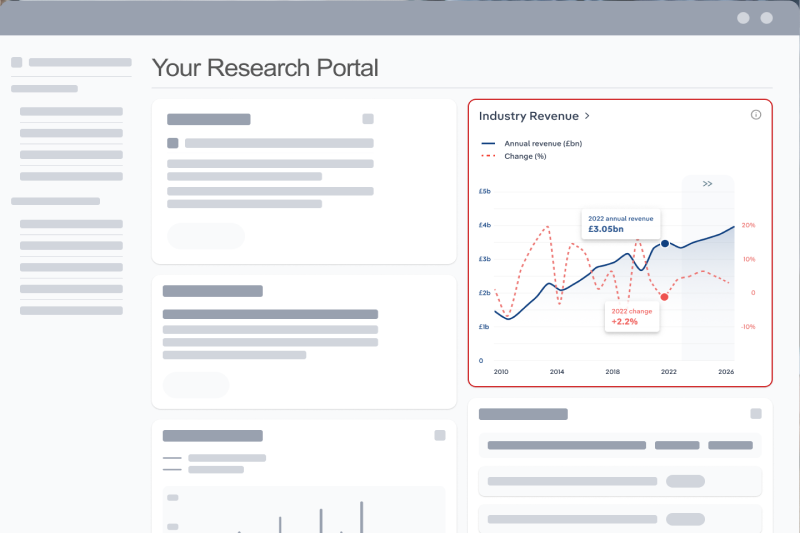
Streamline your workflow with IBISWorld’s intelligence built into your toolkit.
Explore industries with similar markets, supply chains, and economic drivers to gain broader context and insights.
| Industry | Country | Last 5-yr CAGR | Forecast 5-year CAGR | Revenue |
|---|---|---|---|---|
| Car Rental & Leasing in the UK |
|
XX% | XX% | $XX |
| New Car & Light Motor Vehicle Dealers in the UK |
|
XX% | XX% | $XX |
| Used Car & Light Motor Vehicle Dealers in the UK |
|
XX% | XX% | $XX |
When the stakes are high, you need intelligence that cuts through the noise—wherever you work.
The new car prices in the UK in 2026 was 139.2 index points.
The new car prices in the UK grew by 3.62% in 2026.
IBISWorld’s data and analysis on new car prices in the UK includes forecasted growth rates over the next five years.