
IBISWorld Platform
Answer any industry question in minutes with our entire database at your fingertips.

IBISWorld forecasts that the number of head of livestock slaughtered will grow at a compound annual rate of 5.3% over the five years through 2025-26, to reach 36.3 million heads. The number of livestock slaughtered each year is determined by a number of factors including meat consumption, the price of animal feed, the price of imports and exports, the prevalence of disease in livestock and the popularity and availability of alternatives, in particular chicken.Poor economic conditions tend to result in lower number of livestock being slaughtered as consumers either eat less meat or substitute red meat for chicken. The number of livestock slaughtered dipped in 2016-17 as both the numbers of sheep and pigs slaughtered fell over the year. However, the weakness of the pound over the following year increased demand for British meat and consequently drove an increase in the number of livestock slaughtered, as British meat became comparatively cheaper in international markets. In 2018-19, demand for meat produce fell due to economic uncertainty, causing the number of livestock slaughtered to fall. However, demand returned to following year, as a result of improving economic activity.In 2020-21, sheep accounted for the majority of livestock slaughtered, constituting about 50.4% of livestock slaughtered, followed by pigs (39.7%), and calves and cattle (9.9%). Due to the amount of meat retrievable per head of cattle, the number slaughtered is relatively small compared to the number of sheep and pigs slaughtered.In 2020-21, the number of livestock slaughtered rose by 2.5%. The COVID-19 pandemic forced food service and catering establishments to close due to lockdown restrictions which were introduced in March and later in November 2020. The measures lasted till April 2021, which weighed on the number of livestock slaughtered. In April 2021, lockdown measures were eased with outside dinning allowed at full capacity. Firms in these sectors have reported higher than average demand due to more people holidaying in other parts of the UK. This resulted in the number of livestock slaughtered rose by 4.4% in 2021-22. The number of livestock slaughtered shot up indignantly in 2022-23 aided by rising exports despite a rise in inflation. However, the high cost of living means customers are seeking alternatives, bringing down domestic orders and the number of livestock slaughtered.
Curious about what drives these trends? IBISWorld's analyst coverage on the number of livestock slaughtered includes detailled analysis on the current performance, outlook and industries affected.
2000-2032
This report analyses the total number of livestock slaughtered in the United Kingdom. The data is sourced from the Department for Environment, Food and Rural Affairs (Defra) in addition to estimates by IBISWorld. The figures include the slaughter of cattle, sheep and pigs for meat production.
IBISWorld Industry Reports are available in multiple formats to fit seamlessly into your workflow.

Answer any industry question in minutes with our entire database at your fingertips.
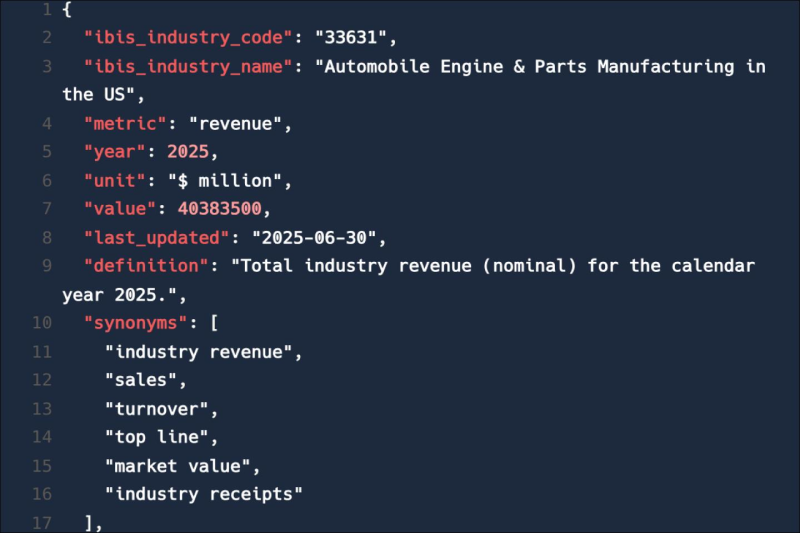
Feed trusted, human-driven industry intelligence straight into your platform.
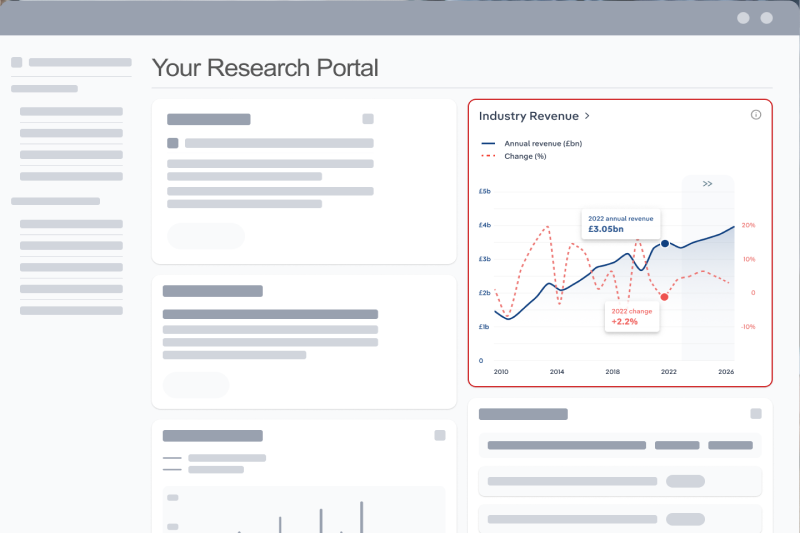
Streamline your workflow with IBISWorld’s intelligence built into your toolkit.
Explore industries with similar markets, supply chains, and economic drivers to gain broader context and insights.
| Industry | Country | Last 5-yr CAGR | Forecast 5-year CAGR | Revenue |
|---|---|---|---|---|
| Leather, Hide & Skin Wholesaling in the UK |
|
XX% | XX% | $XX |
| Meat Processing in the UK |
|
XX% | XX% | $XX |
When the stakes are high, you need intelligence that cuts through the noise—wherever you work.
The number of livestock slaughtered in the UK in 2026 was 36.3 million.
The number of livestock slaughtered in the UK grew by 4.38% in 2026.
IBISWorld’s data and analysis on number of livestock slaughtered in the UK includes forecasted growth rates over the next five years.