
IBISWorld Platform
Answer any industry question in minutes with our entire database at your fingertips.

In 2025-26, 98.4% of UK households are expected to have internet access, up from 96.7% five years earlier. The rise of internet access among UK households is estimated to have increased by 1.7 percentage points in total over the five years through 2025-26. In 2025-26 alone it is expected to rise by 0.2 percentage points. Socio-economic and demographic factors determine internet usage, with age and education as key factors. For example, the ONS determined that approximately 80% of single-adult households aged 65 years and older had access to the internet at home in 2020, compared with 100% of households with children in the same year.The outbreak of COVID-19 (coronavirus) also accelerated trends in the percentage of households with internet access in 2020-21, as consumers have adapted to a working from home and quarantine environment during the pandemic. The use of video-conferencing and collaboration software has substantially increased, as households navigate their way through the remote socialising and working environment.The increased provision and utilisation of internet services over the past two decades has been driven by a number of social and technological trends. Demand for household internet access is partially driven by the quality of the product, in terms of security, consistency and speed. Some of the largest growth rates in the uptake of internet services by households came just after 2000 when broadband was first introduced to the United Kingdom. Prior to the launch of broadband, dial-up services were the only option for UK households.Additionally, the improvements in computer technology have also influenced demand for internet services by UK households. Over the past five years, the continued utilisation of modern devices, such as smartphones and tablet computers, has supported new groups of people to get online. Demand for online services has also drawn a greater variety of people to the internet. In particular, the popularity of social networks, video streaming and online shopping has had a significant influence on the usage of the internet.
Curious about what drives these trends? IBISWorld's analyst coverage on the percentage of households with internet access includes detailled analysis on the current performance, outlook and industries affected.
2001-2032
This report analyses the percentage of households with internet access in the United Kingdom. The data is based on calendar year data from the Office for National Statistics (ONS) and estimated to represent financial years by IBISWorld. Forecasted data is estimated by IBISWorld. The data is originally sourced from the Opinions and Lifestyle Survey, a multipurpose survey developed by the ONS, which randomly samples 1,800 adults, aged 16 years and over, living in private households.
IBISWorld Industry Reports are available in multiple formats to fit seamlessly into your workflow.
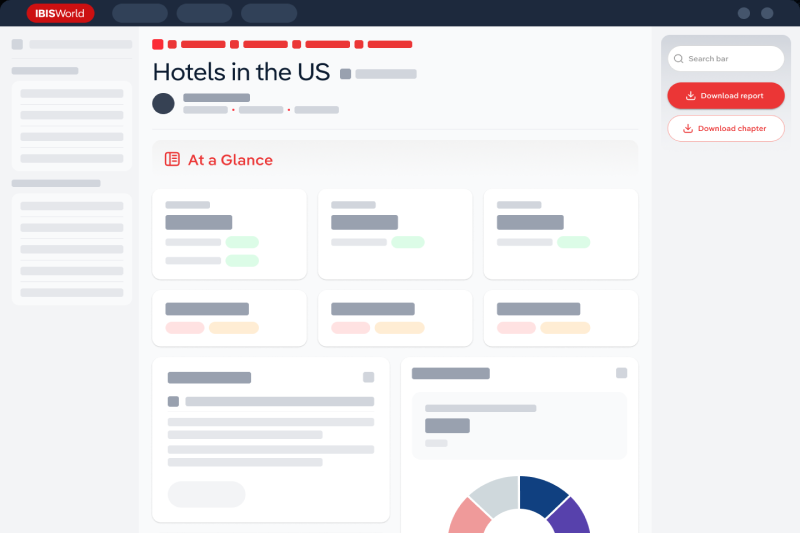
Answer any industry question in minutes with our entire database at your fingertips.
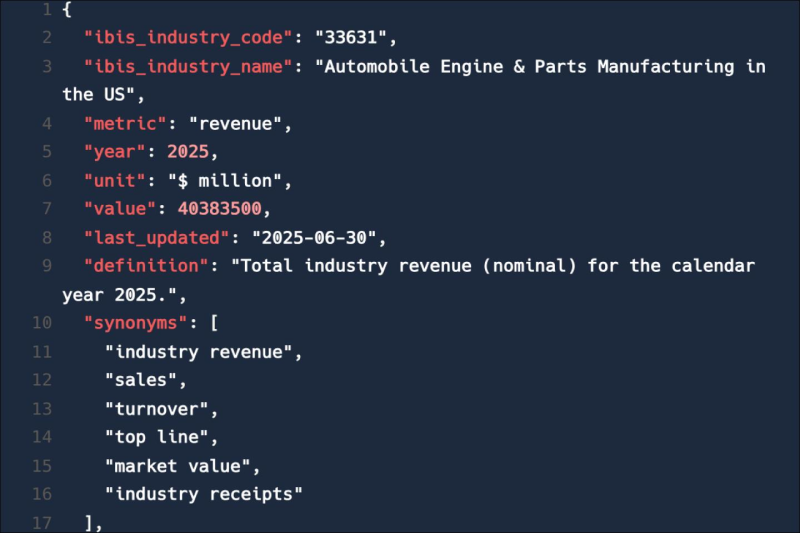
Feed trusted, human-driven industry intelligence straight into your platform.
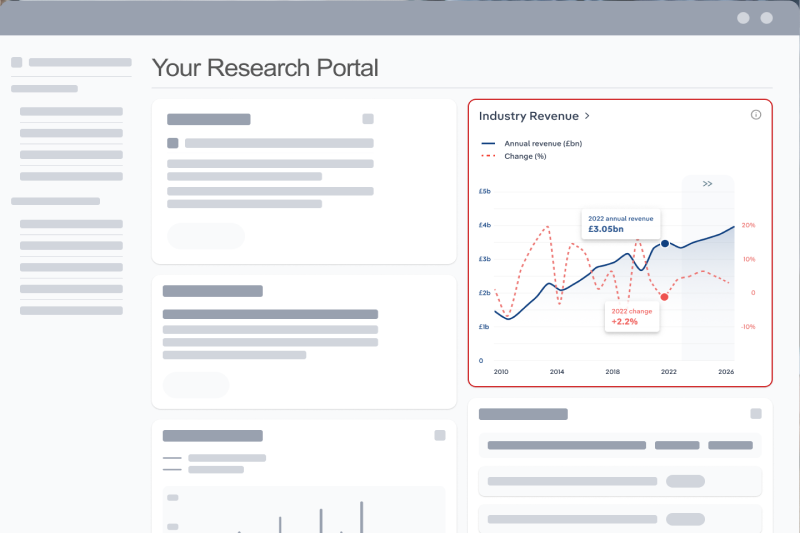
Streamline your workflow with IBISWorld’s intelligence built into your toolkit.
Explore industries with similar markets, supply chains, and economic drivers to gain broader context and insights.
When the stakes are high, you need intelligence that cuts through the noise—wherever you work.
The percentage of households with internet access in the UK in 2026 was 98.42 percentage.
The percentage of households with internet access in the UK grew by 0.34% in 2026.
IBISWorld’s data and analysis on percentage of households with internet access in the UK includes forecasted growth rates over the next five years.