
IBISWorld Platform
Answer any industry question in minutes with our entire database at your fingertips.

IBISWorld estimates that total meat consumption is expected to decline over the five years through 2026-27. Meat consumption trends largely follow economic conditions in the United Kingdom. Household disposable income levels influence individual's consumption choices, as income falls consumers tend to shift away from more expensive meat products. The price of meat also affects UK consumers' consumption of meat. According to DEFRA, on average, meat is one of the most price elastic foodstuffs with a 1% increase in price resulting in a 0.8% decrease in consumption.Meat consumption is also affected by changing consumer tastes. Over the five years through 2022-23, a significant increase in diets that cut down on meat or eliminate meat completely for ethical and environmental reasons is expected to lead to a decline in meat consumption.In 2020-21, a fall in household in household disposable income, partly due to the economic shock caused by the coronavirus outbreak is expected to reduce meat consumption, with majority of households eat less meat on a weekly basis, especially for more expensive cuts of meat. A fall in consumer confidence and customers seeking healthier diets in order to boost their immune system opted for more vegetables in their diet. The trend of increased health awareness will accelerate a consumer shift away from meat consumption and a larger share of the population adopting flexitarian and vegan diets. Lockdown measures to combat the spread of the coronavirus led to the closure of food service and catering businesses contributing to a reduction in meat consumption during the year. Rising infections rates led to further lockdown measures in December 2020, which kept food service premises closed until early in 2021. These measures were eased from April 2021 which led to reopening of restaurants and catering businesses which is expected to lead to an uptick in meat consumption. A significant proportion of meat was consumed in these establishments as lockdown measures eased. Despite this, meat consumption declined by 4.4% in 2021-22. Meat consumption is forecast to decline by 0.9% in 2025-26 due to lower meat consumption and significantly higher prices driven by inflationary pressure. Rising feed prices has contributed to increased production costs leading to a sharp expansion in meat prices. UK meat consumption is being shaped not only by prices and incomes, but also by changing consumer tastes (health, environment, animal welfare, convenience), and overall meat volumes have been edging down over time, with shifts between red meat, processed meat and poultry. Environmental awareness and animal-welfare concerns are growing; survey data show more people reporting that they aim to reduce meat intake, especially red meat, for sustainability reasons. Over the five years through 2026-27, total meat consumption is forecast to decrease at a compound annual rate of 1%, to reach 882.1 grams per week.
Curious about what drives these trends? IBISWorld's analyst coverage on the total meat consumption includes detailled analysis on the current performance, outlook and industries affected.
2000-2033
This report analyses total meat consumption in the United Kingdom. The data is sourced from the Department for Environment, Food and Rural Affairs (Defra), in addition to estimates by IBISWorld. Figures represent average annual meat volume purchased and presumably consumed per person per week. Due to changes in the origins of data, as collated by Defra in its Family Food Survey, the figures are presented in either calendar and financial years within the time series, contingent on the source used - that is Defra used Adjusted National Food Survey data between 1990 through 2000 (i.e. calendar years for all years in this period); the Expenditure and Food Survey 2001-02 to 2007 (i.e. 2001 = 2001-02 and reverts back to calendar years in 2006); and the Living Costs and Food Survey from 2008 onwards (i.e. calendar years through 2015, whereby 2016 = 2015-16 and financial years thereafter).
IBISWorld Industry Reports are available in multiple formats to fit seamlessly into your workflow.
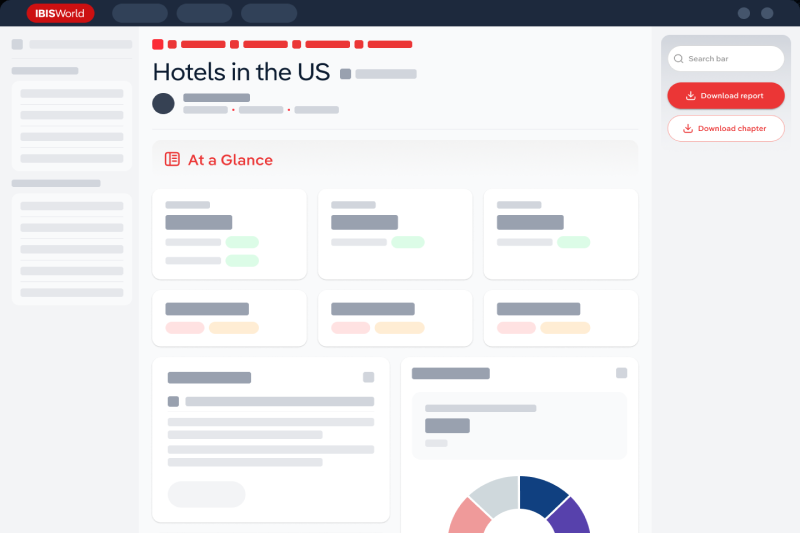
Answer any industry question in minutes with our entire database at your fingertips.
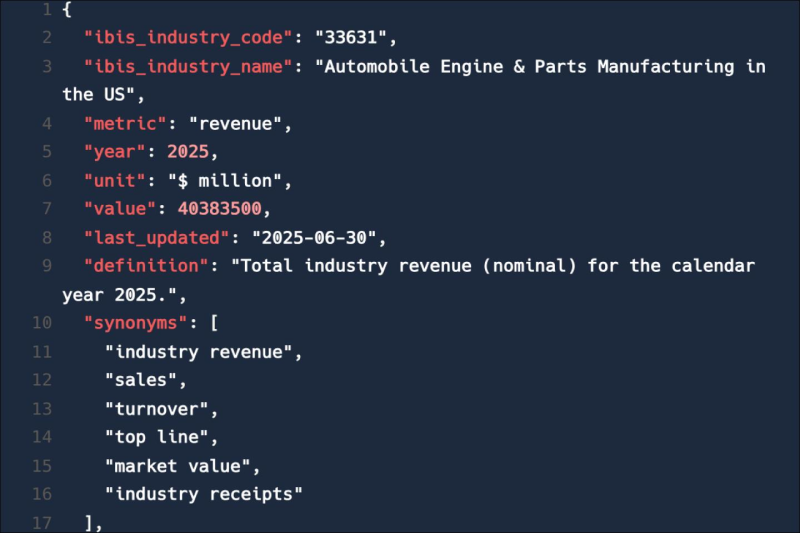
Feed trusted, human-driven industry intelligence straight into your platform.
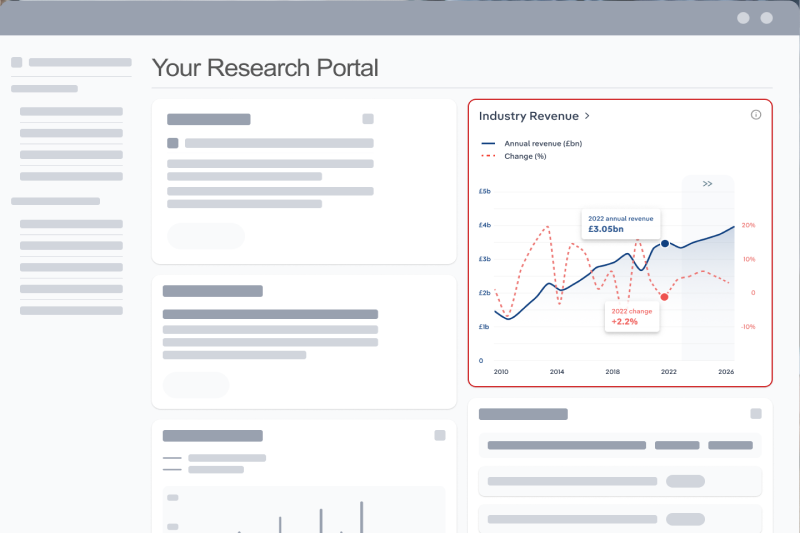
Streamline your workflow with IBISWorld’s intelligence built into your toolkit.
Explore industries with similar markets, supply chains, and economic drivers to gain broader context and insights.
| Industry | Country | Last 5-yr CAGR | Forecast 5-year CAGR | Revenue |
|---|---|---|---|---|
| Butchers in the UK |
|
XX% | XX% | $XX |
| Animal Feed Production in the UK |
|
XX% | XX% | $XX |
| Meat Processing in the UK |
|
XX% | XX% | $XX |
| Meat Product Manufacturing in the UK |
|
XX% | XX% | $XX |
| Delicatessens in the UK |
|
XX% | XX% | $XX |
| Meat Wholesaling in the UK |
|
XX% | XX% | $XX |
| Veterinary Services in the UK |
|
XX% | XX% | $XX |
| Poultry Meat Processing in the UK |
|
XX% | XX% | $XX |
When the stakes are high, you need intelligence that cuts through the noise—wherever you work.
The total meat consumption in the UK in 2027 was 882.1 grams.
The total meat consumption in the UK declined by -1.04% in 2027.
IBISWorld’s data and analysis on total meat consumption in the UK includes forecasted growth rates over the next five years.