
IBISWorld Platform
Answer any industry question in minutes with our entire database at your fingertips.

Access to credit is projected to grow by 5.7% to reach $13.7 trillion in 2026, even as lenders tighten credit conditions. Banks are expected to report stricter standards, particularly for commercial real estate (CRE) tied to construction and land development, as concerns over unstable valuations persist and rising costs add pressure. However, this environment should make loan growth more value-driven, with a stronger focus on prime, credit-worthy borrowers and markets, supporting an uptick in valuations for loans to these segments despite tighter terms. At the same time, rapid expansion of data centers is set to boost demand for large, bank-financed project loans from major institutions, further lifting the overall value of outstanding credit tied to these assets. Taken together, resilient borrower demand, a shift toward higher-quality credits, and capital-intensive data center projects will support measured growth in loan volumes and valuations through 2026, rather than a broad-based credit boom.Access to credit expanded at a compound annual growth rate of 4.8% between 2020 and 2025. The initial phase, particularly in 2021, saw contraction, with the value of credit declining by 0.3% due to the pandemic, conservative lending, and subdued economic activity. Credit rebounded strongly in 2022 with a 9.1% annual growth rate, coinciding with global economic recovery and supportive fiscal and monetary policies that boosted lending. Subsequent years saw steady growth in credit volumes, underpinned by both pent-up demand and gradual normalization of lending practices as pandemic disruptions eased. The growth of private credit—from $1.0 trillion in 2020 to around $1.5 trillion by early 2024—exemplifies structural shifts in credit markets, as borrowers were drawn to the flexibility and speed offered by private lenders compared to traditional banks.Technological innovation continued to shape the credit landscape, with fintech solutions increasing access for historically underserved populations, such as small businesses and youth-owned enterprises. Alternative credit scoring and digital platforms lowered barriers for these groups. Regulatory environments evolved during this period, with reforms aimed at strengthening risk controls while encouraging competition and inclusion. Changes in interest rates, collateral requirements, and repayment terms further influenced credit access, with monetary tightening sometimes constraining availability while periods of easing stimulated lending.Overall, from 2021 to 2026, access to credit has demonstrated resilience and growth, benefiting from macroeconomic recovery, rapid proliferation of digital lending solutions, and evolving credit models that have enabled greater financial inclusion. These trends collectively supported expanding credit availability despite headwinds related to economic uncertainty and ongoing regulatory adjustments. This has resulted in a CAGR growth of 5.6% over the five years to 2026.
Curious about what drives these trends? IBISWorld's analyst coverage on the access to credit includes detailled analysis on the current performance, outlook and industries affected.
1980-2032
Access to credit refers to the borrowing capacity advanced by a commercial bank to an individual, firm or organization in the form of loans, cash credit and overdrafts. Credit enables households to borrow against future income and firms to invest in machinery and equipment. The data for this report is measured as the value of the loans and leases in bank credit, and it is sourced from the Federal Reserve. The values presented in this report are annual figures, derived from equally weighted monthly averages of the loans and leases in commercial bank credit. This data includes commercial and industrial loans, real estate loans and consumer loans. However, the data excludes unearned income, federal funds borrowing and reverse repurchase agreements, as well as loans made to commercial banks. The data is not seasonally adjusted and forecasts are based on IBISWorld analysis.
IBISWorld Industry Reports are available in multiple formats to fit seamlessly into your workflow.

Answer any industry question in minutes with our entire database at your fingertips.
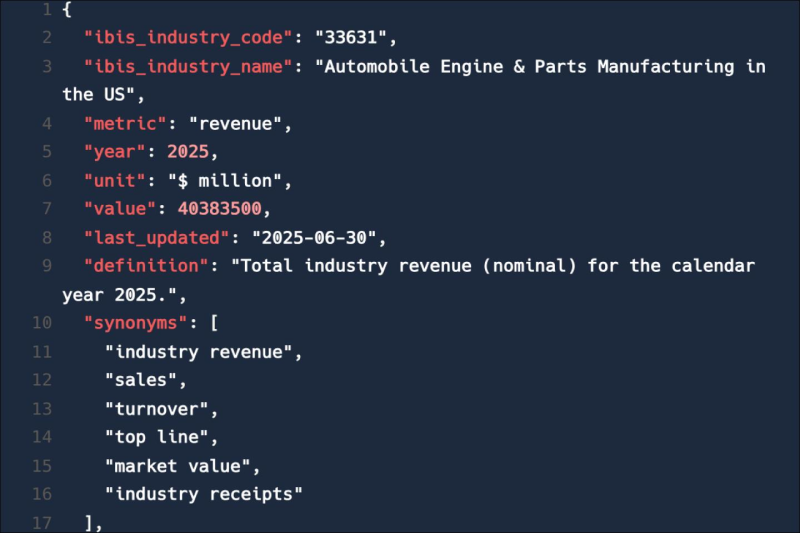
Feed trusted, human-driven industry intelligence straight into your platform.
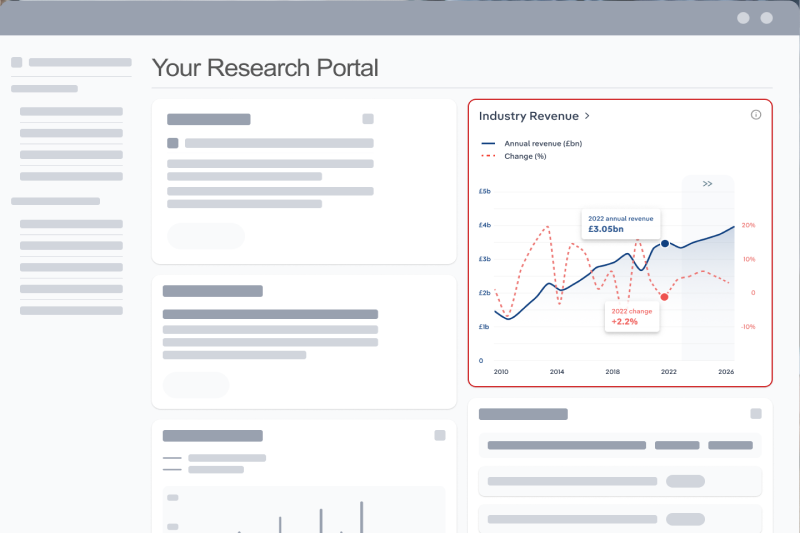
Streamline your workflow with IBISWorld’s intelligence built into your toolkit.
Explore industries with similar markets, supply chains, and economic drivers to gain broader context and insights.
When the stakes are high, you need intelligence that cuts through the noise—wherever you work.
The access to credit in the US in 2026 was $13,681.85 billion.
The access to credit in the US grew by 5.58% in 2026.
IBISWorld’s data and analysis on access to credit in the US includes forecasted growth rates over the next five years.