
IBISWorld Platform
Answer any industry question in minutes with our entire database at your fingertips.

The adult obesity rate in the United States is estimated to reach 34.5% in 2026, up from 33.7% in 2025, as unhealthy diets and sedentary lifestyles remain entrenched among adults. The widespread availability and marketing of processed, calorie-dense foods continue to encourage excessive intake, while limited regulation allows these products to dominate shelves and advertising. Persistent food deserts, which disproportionately impact low-income communities, restrict access to fresh and nutritious options, reinforcing poor dietary patterns. At the same time, many adults maintain low levels of physical activity, reflecting desk-based work, car-dependent commuting and limited access to safe recreational spaces. Together, these conditions sustain an elevated obesity rate in 2026 rather than allowing any meaningful reversal. Over the past five years, the adult obesity rate has climbed steadily from 33.0% in 2021, with pandemic-era disruptions acting as a clear accelerant. Mandated stay-at-home orders and the rapid spread of remote work reduced day-to-day movement, replacing commuting and casual activity with more time spent sitting at home. Aggressive promotion of processed foods and larger portion sizes shaped consumption during this period, and many of these habits persisted even after the government lifted formal restrictions. Although the return of outdoor activities and gyms in 2023 briefly mitigated the ascent, the underlying environment—dominated by convenient, inexpensive, energy-dense foods—remained unchanged. From 2024 to 2025, rising food prices and persistent inequality pushed many households further toward low-cost, shelf-stable products, adding renewed upward pressure on obesity. Broader macro forces, including food insecurity and entrenched fast-food culture, have therefore played a decisive role in driving the rate to a new high by 2026.
Curious about what drives these trends? IBISWorld's analyst coverage on the adult obesity rate includes detailled analysis on the current performance, outlook and industries affected.
1999-2032
This driver measures the percentage of US citizens aged 18 and older who are considered obese based on their body mass index (BMI). Data is sourced from the Centers for Disease Control and Prevention (CDC).
IBISWorld Industry Reports are available in multiple formats to fit seamlessly into your workflow.

Answer any industry question in minutes with our entire database at your fingertips.
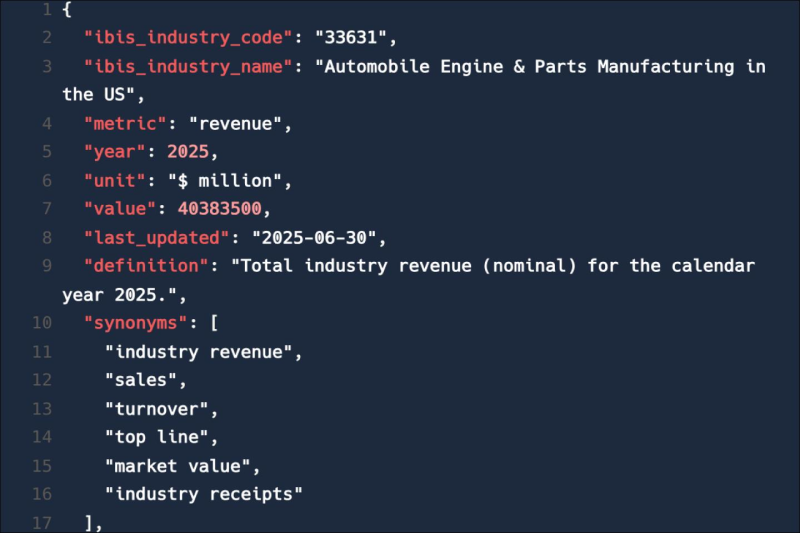
Feed trusted, human-driven industry intelligence straight into your platform.
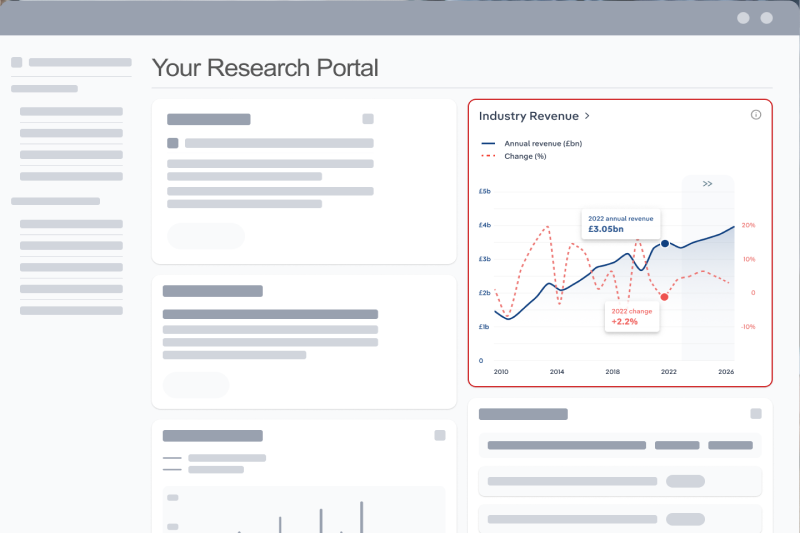
Streamline your workflow with IBISWorld’s intelligence built into your toolkit.
Explore industries with similar markets, supply chains, and economic drivers to gain broader context and insights.
| Industry | Country | Last 5-yr CAGR | Forecast 5-year CAGR | Revenue |
|---|---|---|---|---|
| Phlebologists in the US |
|
XX% | XX% | $XX |
| Weight Loss Services in the US |
|
XX% | XX% | $XX |
| Corporate Wellness Services in the US |
|
XX% | XX% | $XX |
| Gymnastics Classes in the US |
|
XX% | XX% | $XX |
| Insulin Manufacturing in the US |
|
XX% | XX% | $XX |
| Employee Assistance Program Services in the US |
|
XX% | XX% | $XX |
| Rheumatologists in the US |
|
XX% | XX% | $XX |
| Cardiologists in the US |
|
XX% | XX% | $XX |
When the stakes are high, you need intelligence that cuts through the noise—wherever you work.
The adult obesity rate in the US in 2026 was 34.52%.
The adult obesity rate in the US grew by 0.9% in 2026.
IBISWorld’s data and analysis on adult obesity rate in the US includes forecasted growth rates over the next five years.