
IBISWorld Platform
Answer any industry question in minutes with our entire database at your fingertips.

Aggregate household debt will reach $16.5 trillion in 2026, representing a 1.7% increase from 2025. Despite policy efforts and interest rate cuts in late 2025, a high level of inflation persists, which has eroded purchasing power and household budgets, prompting increased reliance on credit, particularly credit cards, to sustain spending. In April 2026, the consumer price index (KED B104) rose 3.8% year-over-year (YoY), the fastest annual pace in three years. Persistent pressure from elevated price levels, alongside relatively high interest rates, continues to drive modest increases in aggregate debt. Consumers maintain demand for debt to support purchases amid diminished real income growth. According to the Quarterly Report on Household Debt and Credit by the Federal Reserve's Center for Microeconomic Data, all forms of debt have increased in the first quarter of 2026 and the flow into serious delinquency for all types of debt has increased as wages have not kept up with inflation. Several notable shifts have occurred over the five years leading to 2026. As the economy reopened in 2021, revolving credit utilization rebounded, signaling growing consumer confidence. However, this recovery coincided with the onset of sharp inflationary pressures beginning in 2021, fueled by robust consumer demand, wage growth, expanded stimulus measures, and global supply chain constraints. The biggest negative gap between wages and inflation occurred in June 2022, as inflation hit 9.1% while nominal wages grew by only 4.8% YoY. In response, the Federal Reserve implemented aggressive interest rate hikes, raising the federal funds rate from near-zero levels to a range of 3.75% to 4.00% by late 2022. Despite these monetary tightening measures, headline inflation remained above the Fed's 2.0% target throughout 2023 and 2024, encouraging households to rely more heavily on credit to compensate for stagnant real wages. Expansion of household debt during this period was primarily driven by increased utilization of revolving credit accounts as consumers attempted to extend their budgets and mitigate the impact of rising costs. Fiscal policy measures, including the Inflation Reduction Act of 2022, provided some support for household finances but were insufficient to fully offset inflationary impacts. Steady, yet modest, economic and wage growth, in conjunction with persistent inflation, shaped a slow but sustained increase in household debt, concentrated primarily in mortgage and credit card balances.
Curious about what drives these trends? IBISWorld's analyst coverage on the aggregate household debt includes detailled analysis on the current performance, outlook and industries affected.
1980-2032
Aggregate household debt represents all outstanding credit market debt held by consumers, including credit card debt, mortgages, personal loans and more. Data is sourced from the Federal Reserve Bank of St. Louis and is presented in chained 2017 dollars.
IBISWorld Industry Reports are available in multiple formats to fit seamlessly into your workflow.

Answer any industry question in minutes with our entire database at your fingertips.
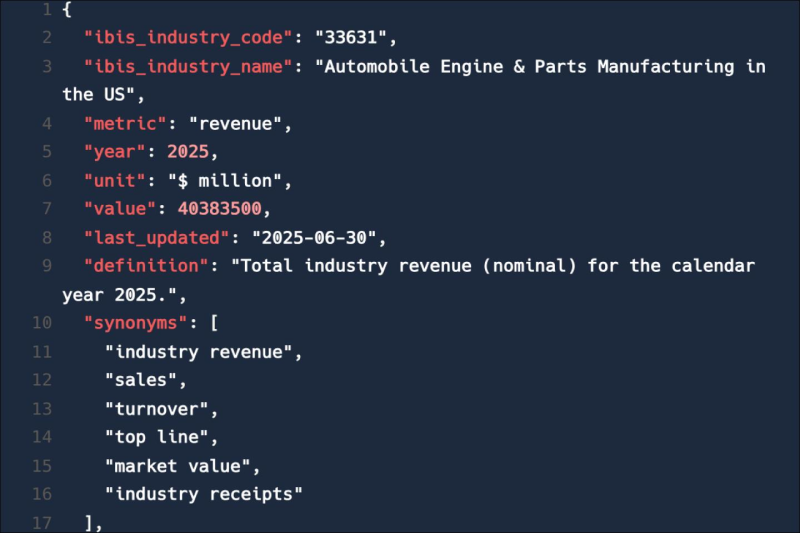
Feed trusted, human-driven industry intelligence straight into your platform.
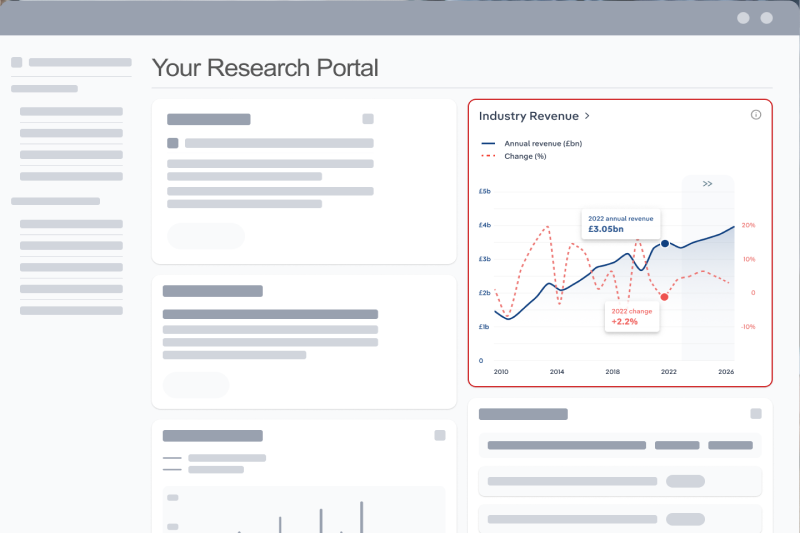
Streamline your workflow with IBISWorld’s intelligence built into your toolkit.
Explore industries with similar markets, supply chains, and economic drivers to gain broader context and insights.
When the stakes are high, you need intelligence that cuts through the noise—wherever you work.
The aggregate household debt in the US in 2026 was $16.51 trillion.
The aggregate household debt in the US grew by 0.75% in 2026.
IBISWorld’s data and analysis on aggregate household debt in the US includes forecasted growth rates over the next five years.