
IBISWorld Platform
Answer any industry question in minutes with our entire database at your fingertips.

Consumer bankruptcies in the United States are projected to decrease by -6.3% in 2026, reaching an estimated 442,951 cases. Though bankruptcies have grown throughout the period because of inflation and high interest rates, household budgets have largely remained resilient. During the pandemic, relief programs provided financial buffers, while resilient consumer spending prevented a significant economic downturn.Over the five years to 2026, consumer bankruptcies have experienced significant volatility, however, influenced by evolving macroeconomic and policy conditions. Sharp decreases in 2021 and 2022 were due to government stimulus and relief measures in response to COVID-19, with filings dropping 23.6% in 2021 and another 6.3% in 2022. These interventions provided temporary financial cushions. However, 2023 and 2024 saw a reversal, with filings rising by 16.0% and 13.9%, respectively, driven by rapid interest rate increases that raised borrowing costs and persistent inflation that elevated living costs. The end of relief programs, high household debt, and resumed student loan repayments in late 2023 further heightened consumer financial stress, reflected in rising delinquency rates.Legal and social dynamics have continued to influence this period. The Bankruptcy Abuse Prevention and Consumer Protection Act (BAPCPA) of 2005, making filing more complex and costly, acted as a deterrent but was repeatedly outweighed by macroeconomic distress. Regional disparities, including differences in legal culture and local economic conditions, remained relevant, affecting bankruptcy rates nationwide.By the end of this period, high household debt levels, elevated interest rates, inflationary pressures and depleted consumer savings have contributed to more personal bankruptcies despite post-pandemic economic growth. The interplay between policy support, macroeconomic trends, and household financial resilience has shaped the fluctuations in consumer bankruptcy filings over these five years.
Curious about what drives these trends? IBISWorld's analyst coverage on the consumer bankruptcies includes detailled analysis on the current performance, outlook and industries affected.
1980-2032
Consumer bankruptcies represent the total number of bankruptcy filings all non-business entities make in a calendar year. Data is sourced from the Administrative Office of the US Courts.
IBISWorld Industry Reports are available in multiple formats to fit seamlessly into your workflow.
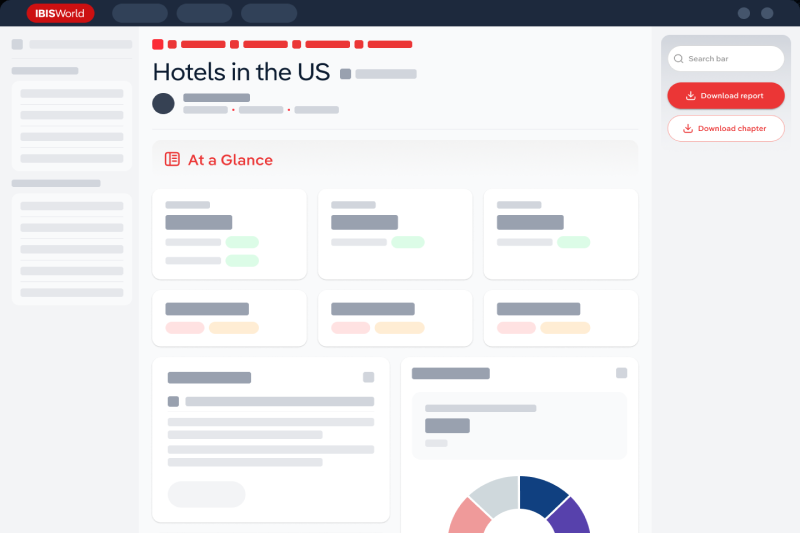
Answer any industry question in minutes with our entire database at your fingertips.
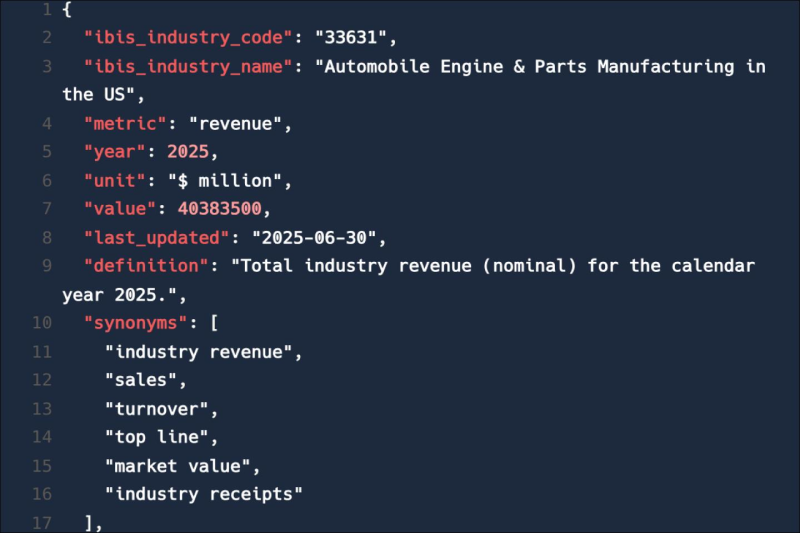
Feed trusted, human-driven industry intelligence straight into your platform.
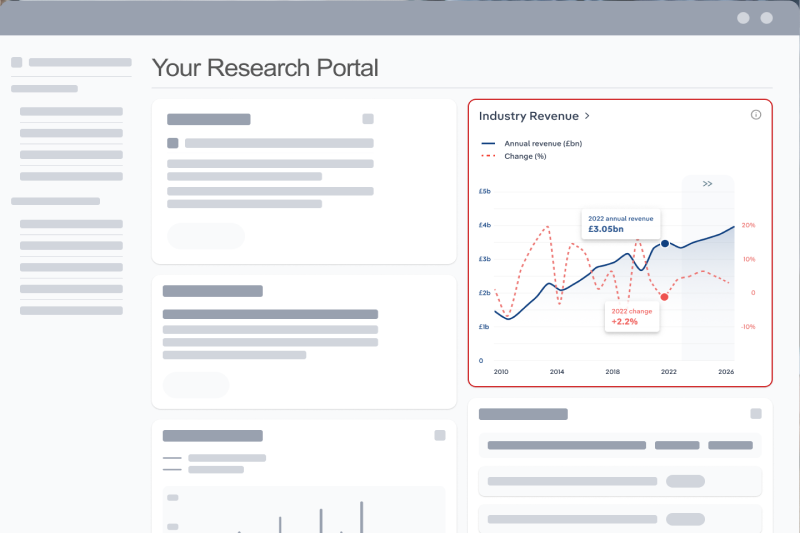
Streamline your workflow with IBISWorld’s intelligence built into your toolkit.
Explore industries with similar markets, supply chains, and economic drivers to gain broader context and insights.
When the stakes are high, you need intelligence that cuts through the noise—wherever you work.
The consumer bankruptcies in the US in 2026 was 442,951 units.
The consumer bankruptcies in the US grew by 2.1% in 2026.
IBISWorld’s data and analysis on consumer bankruptcies in the US includes forecasted growth rates over the next five years.