
IBISWorld Platform
Answer any industry question in minutes with our entire database at your fingertips.

In 2026, consumer confidence will edge down by 0.6% to 95.17, as households digest higher prices, elevated borrowing costs and shifting trade and immigration policies under the second Trump administration. Survey data through the first half of the year show confidence hovering in the low-90s, with modest month-to-month gains failing to reverse the broader post-2021 downtrend. Elevated interest rates, even after the Federal Reserve's earlier cuts, still restrain big-ticket spending plans, while tariff-driven cost pressures keep consumers wary of future income and job prospects. From 2021 to 2026, the CCI traces a clear arc from post-pandemic rebound to inflation-scarred caution. Confidence surged in 2021 as vaccinations, reopenings and strong job gains boosted households' views of current conditions and near-term prospects. That optimism quickly collided with the sharpest inflation shock in decades, prompting aggressive rate hikes and quantitative tightening that eroded real incomes and dented sentiment in 2022 and 2023, particularly among lower-income households facing higher food, fuel and rent costs. Geopolitical tensions, especially the war in Ukraine and its impact on global energy and food prices, added another drag on confidence, reinforcing a perception of persistent economic uncertainty. By 2024 and 2025, confidence remained well below pre-pandemic norms, with new tariff rounds, bouts of political brinkmanship in Washington and a brief federal shutdown amplifying concerns about prices and policy stability. Overall, the CCI from 2021 to 2026 captures a transition from rapid recovery to a more fragile, volatility-prone environment in which strong employment only partially offsets anxiety about inflation, interest rates and trade policy.
Curious about what drives these trends? IBISWorld's analyst coverage on the consumer confidence index includes detailled analysis on the current performance, outlook and industries affected.
1980-2032
The Consumer Confidence Index is calculated by The Conference Board using a monthly survey. The survey includes questions related to household finances, business conditions, employment, income and economic outlook. The values presented in this report are annual figures, derived from equally weighted monthly averages.
IBISWorld Industry Reports are available in multiple formats to fit seamlessly into your workflow.
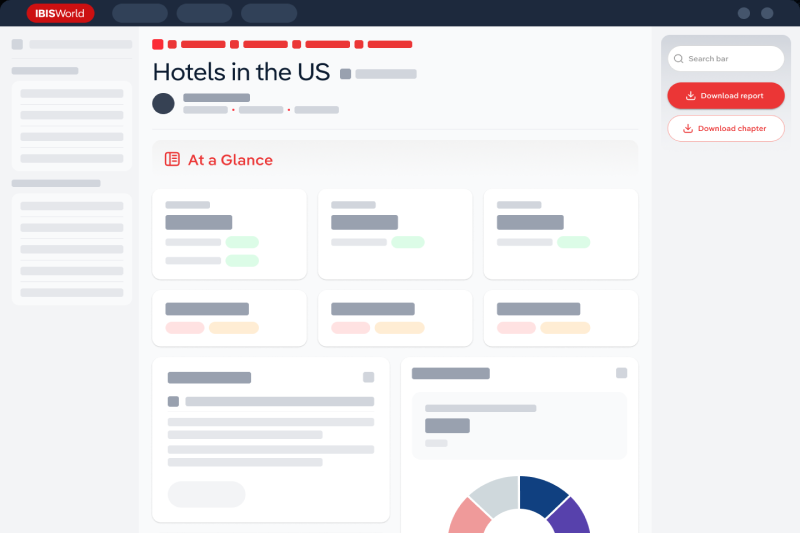
Answer any industry question in minutes with our entire database at your fingertips.
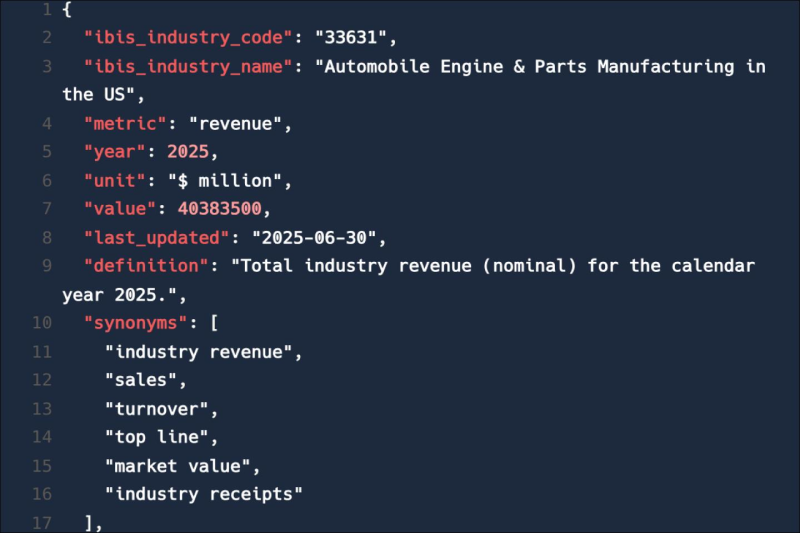
Feed trusted, human-driven industry intelligence straight into your platform.
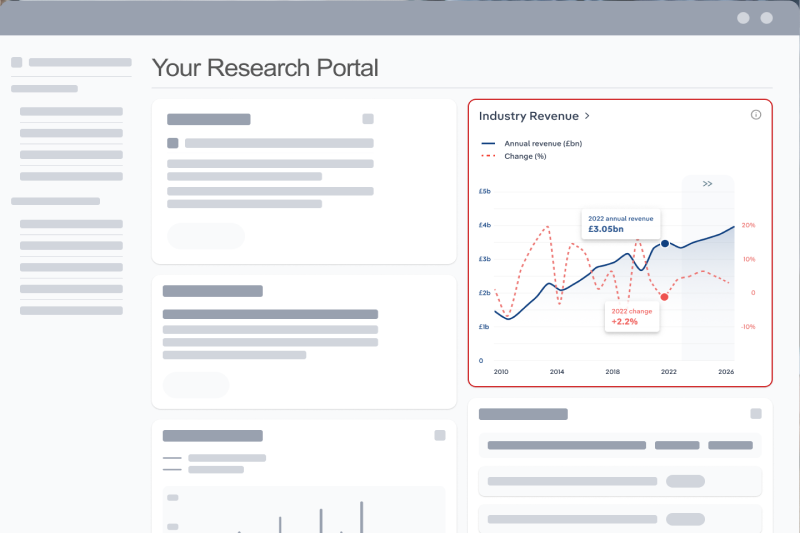
Streamline your workflow with IBISWorld’s intelligence built into your toolkit.
Explore industries with similar markets, supply chains, and economic drivers to gain broader context and insights.
When the stakes are high, you need intelligence that cuts through the noise—wherever you work.
The consumer confidence index in the US in 2026 was 95.17 index points.
The consumer confidence index in the US declined by -3.2% in 2026.
IBISWorld’s data and analysis on consumer confidence index in the US includes forecasted growth rates over the next five years.