
IBISWorld Platform
Answer any industry question in minutes with our entire database at your fingertips.

The Freight Transportation Services Index is forecast to grow 2.7 percent in 2026, supported by stronger demand for US-based freight services in the wake of heightened geopolitical tensions involving Iran. The conflict has contributed to elevated energy prices and transportation costs, encouraging shippers to front-load freight activity and lock in capacity ahead of anticipated quarterly contract rate resets that are tied to fuel benchmarks. In addition, concerns over potential shortages of key industrial inputs have prompted manufacturers and downstream industries to build precautionary inventories, underpinning sustained demand for logistics services over the year. US pipeline operators are also poised to perform well as new capacity comes online in key production and export corridors, particularly in Louisiana and along the Gulf Coast, lifting domestic energy transport volumes. Together, these factors are expected to reinforce elevated utilization of freight transportation and logistics networks, supporting continued growth in the Freight TSI through 2026.From 2021 to 2026, the TSI has shown slow, steady growth, tracking overall US economic activity with a slightly lower growth trajectory. The index corresponds to a compound annual growth rate of 1.0%. Economic recovery in 2021 was mirrored in the index as the US emerged from pandemic disruptions. However, momentum waned, with near-flat performance in 2023 (up 0.2%) and a mild contraction in 2024 (down 0.3%). This stagnation reflects a broader economic shift from goods to services, reducing freight transportation demand. High inflation and interest rates further limited consumer spending on tangible goods, suppressing freight activity. Evolving fuel prices influenced costs and freight rates, while technological innovations and infrastructure developments provided incremental efficiency gains, offset by subdued economic growth and regulatory uncertainties.Macroeconomic trends, including industrial production, consumer spending, and labor market conditions, have influenced freight volumes. While consumer sentiment improved post-pandemic, it remained below pre-crisis levels, limiting robust freight demand growth. Although supply chain constraints eased, they did not fully offset weaker demand from restrictive monetary policy and persistent inflation. The Freight Transportation Services Index (TSI) rose in 2025, reflecting a growth rate of 3.2% over the previous year. This moderate recovery comes after a period of stagnation from 2023 to 2024, known as a "freight recession." Although inflationary pressures and high interest rates continue to constrain goods movement, improvements in consumer sentiment and increased imports due to tariffs on China, Canada, and Mexico provide some support to freight demand. Operational costs remain sensitive to fuel price fluctuations, and the broader economic environment dampens freight volumes. Over the five years to 2026, the TSI's performance highlights the sector's sensitivity to cyclical economic drivers and shifts toward a service-oriented economy. Despite periodic fluctuations, the index maintained low volatility, aligning with overall economic output and demonstrating the industry's connection to macroeconomic developments.
Curious about what drives these trends? IBISWorld's analyst coverage on the freight transportation services index includes detailled analysis on the current performance, outlook and industries affected.
2000-2032
The US freight transportation services index (TSI) measures the annual output of the US transportation sector. The index is composed of ton-miles of freight, or tons when ton-miles are not available, generated by for-hire trucking, railroad, inland waterway, pipeline and airfreight carriers. The TSI excludes international and coastal steamship activities, along with private trucking, courier services, and operations by the US Postal Service. The data is sourced from the Department of Transportation's Bureau of Transportation Statistics. The index is seasonally adjusted and its base year is 2000.
IBISWorld Industry Reports are available in multiple formats to fit seamlessly into your workflow.
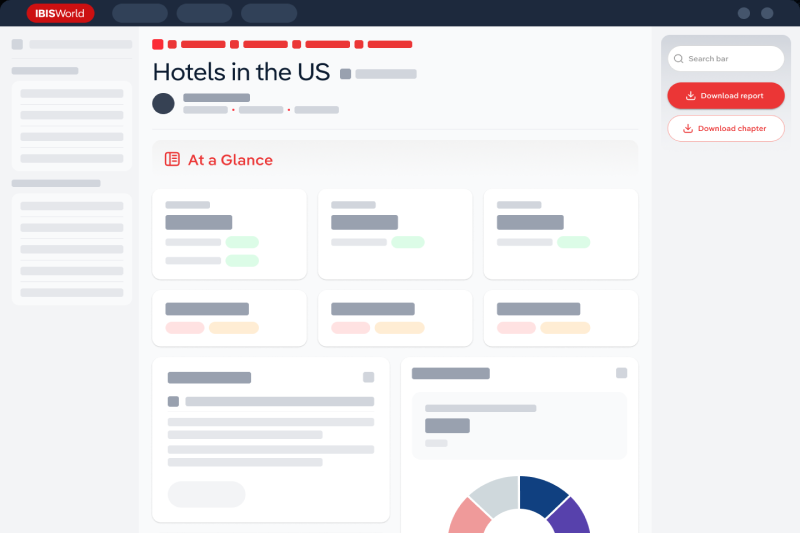
Answer any industry question in minutes with our entire database at your fingertips.
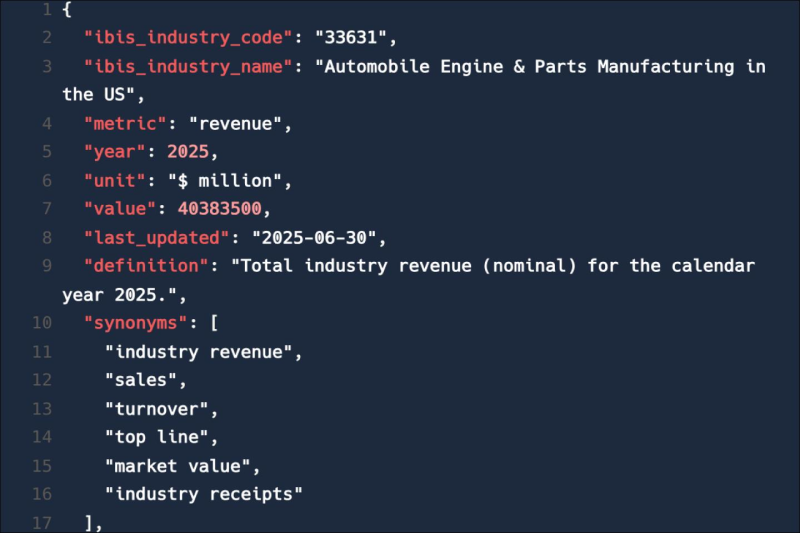
Feed trusted, human-driven industry intelligence straight into your platform.
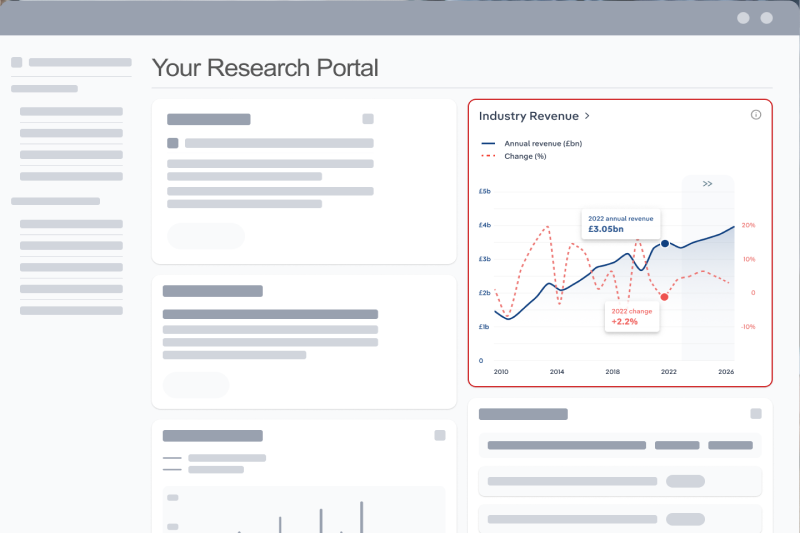
Streamline your workflow with IBISWorld’s intelligence built into your toolkit.
Explore industries with similar markets, supply chains, and economic drivers to gain broader context and insights.
When the stakes are high, you need intelligence that cuts through the noise—wherever you work.
The freight transportation services index in the US in 2026 was 141.25 index points.
The freight transportation services index in the US grew by 1.02% in 2026.
IBISWorld’s data and analysis on freight transportation services index in the US includes forecasted growth rates over the next five years.