
IBISWorld Platform
Answer any industry question in minutes with our entire database at your fingertips.

In 2025, funding for primary and secondary education is projected to grow by 0.9% year-over-year, reaching $835.3 billion. This increase is largely supported by states expanding access to programs such as free school lunches, contributing to heightened participation rates. For instance, New York has significantly boosted its school lunch program, which has increased governmental spending on these initiatives. Federal support remains stable due to the Continuing Resolution (CR), which prevents potential cuts to school funding, maintaining necessary operational levels until September.During the COVID-19 pandemic in 2020, despite severe economic strains, government funding for education increased by 1.7% as part of a broad federal support strategy aimed at helping schools navigate unprecedented challenges. The reopening of the economy, facilitated by the distribution of vaccines, was significantly supported by schools mandating vaccinations for student populations, which in turn underscored the need for increased funding to accommodate operational changes. Schools required additional resources to operate at higher capacities, given the increased costs associated with safely accommodating more students. This led to the enactment of the American Rescue Plan Act of 2021, which provided expanded support by offering additional funding specifically for schools coping with the logistical demands of reopening and maintaining safe operations.In 2021, educational funding rose by 0.8%, underscoring a year of recovery as schools worked to adjust to the lingering effects of the pandemic on their operations. By the end of 2024, funds from the American Rescue Plan Act were primarily utilized, marking a shift toward focusing on Title I funding to ensure continued support for impoverished areas and families. This strategic pivot directed federal resources specifically toward primary education, signifying an ongoing commitment to supporting vulnerable communities. Such targeted funding has contributed to these schools securing the resources needed to continue serving their populations effectively. Over the five years to 2025, these efforts have culminated in a CAGR of 2.1% in government funding. This growth reflects both the federal and state commitment to adapt educational infrastructure to meet evolving needs, as well as the foresight in redirecting financial resources toward initiatives that address immediate challenges while laying foundations for longer-term stability and progress.
Curious about what drives these trends? IBISWorld's analyst coverage on the government funding for primary and secondary education includes detailled analysis on the current performance, outlook and industries affected.
1980-2031
This driver sums total federal, state and local budget allocations for primary and secondary schools. Data is presented in constant 2017 dollars and sourced from the US Department of Education.
IBISWorld Industry Reports are available in multiple formats to fit seamlessly into your workflow.

Answer any industry question in minutes with our entire database at your fingertips.
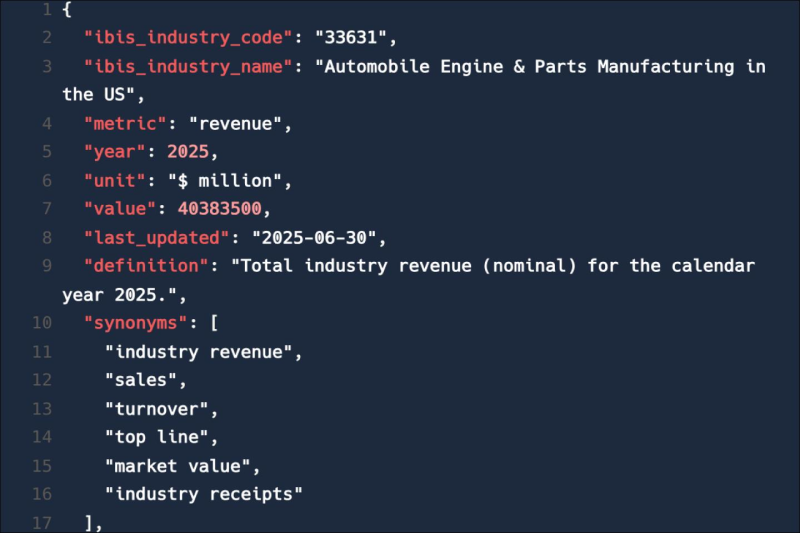
Feed trusted, human-driven industry intelligence straight into your platform.
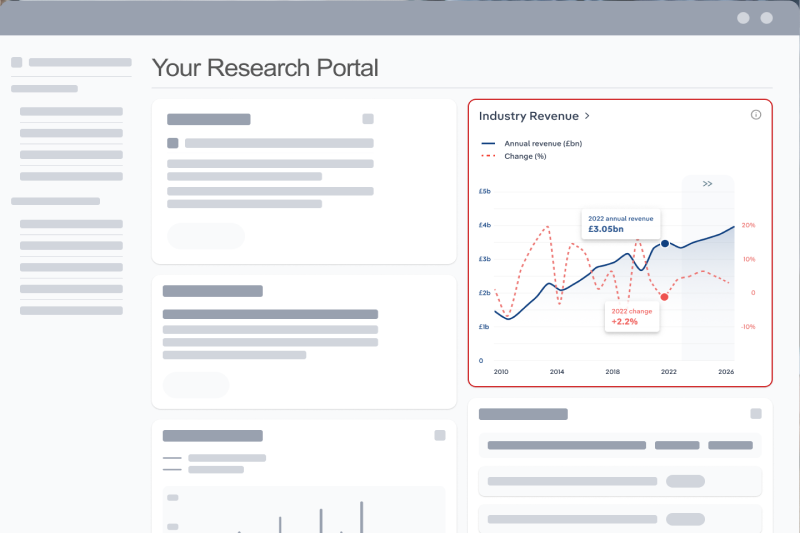
Streamline your workflow with IBISWorld’s intelligence built into your toolkit.
Explore industries with similar markets, supply chains, and economic drivers to gain broader context and insights.
When the stakes are high, you need intelligence that cuts through the noise—wherever you work.
The government funding for primary and secondary education in the US in 2025 was $835.3 billion.
The government funding for primary and secondary education in the US grew by 2.06% in 2025.
IBISWorld’s data and analysis on government funding for primary and secondary education in the US includes forecasted growth rates over the next five years.