
IBISWorld Platform
Answer any industry question in minutes with our entire database at your fingertips.

In 2025, funding to universities is projected to increase by 1.4% year-over-year, reaching $240.3 billion. This growth is fueled by heightened Pell Grant applicants which necessitate increased government allocations to these institutions. However, the potential expansion of funds is moderated by the unchanged maximum award for Pell Grants because of Continuing Resolutions (CRs), which have kept funding levels consistent while capping growth of individual student grants. Also, the political tension between the Trump Administration and certain universities, regarding their handling of student protests and political matters, has resulted in targeted scrutiny and moderated financial support for some institutions during this timeframe.In 2020, the onset of the COVID-19 pandemic prompted a swift and significant response from the government to secure funding for universities amidst the ensuing economic downturn. Despite a brief recession, federal funding expanded to stabilize educational institutions' operations and support student needs. The CARES Act of 2020 was instrumental, channeling additional funds to universities to mitigate the pandemic's immediate financial impact. This aid primarily aimed to provide supplementary student financial assistance and cover operational costs confronting universities because of enforced closures and reduced campus activities.As vaccines became widely available in 2021, many institutions resumed on-campus activities; however, the lingering financial strains necessitated further action. Consequently, Congress passed the American Rescue Plan Act, allocating an additional $36.0 billion to universities. This allocation mandated that nearly 50.0% of the funds be directed towards student financial aid, ensuring that students received direct support amid ongoing economic challenges. Such measures were crucial in maintaining enrollment and stabilizing university revenue streams, enhancing resilience against the pandemic's prolonged effects. Alongside these targeted relief efforts, ongoing backing for Historically Black Colleges and Universities (HBCUs) under the Biden Administration provided an additional funding layer, acknowledging the distinct needs of these institutions. Concurrently, research funding allocations ensured continual advances in educational and scientific pursuits. Overall, the fiscal strategies deployed during this period exemplified a multifaceted approach, addressing immediate crises while investing in long-term educational infrastructure and student welfare. These efforts accounted for a compound annual growth rate of 3.1% in government funding to colleges from 2020 to 2025, demonstrating the government's commitment to sustaining the educational sector through adversity.
Curious about what drives these trends? IBISWorld's analyst coverage on the government funding for universities includes detailled analysis on the current performance, outlook and industries affected.
1980-2031
Federal, state and local grants and appropriations for public and nonprofit private degree-granting institutions, including community colleges and professional schools, represent the government funding for universities. Government aid given to students to help pay for postsecondary education is not included. Data is converted to 2017 dollars and is sourced from the US Department of Education.
IBISWorld Industry Reports are available in multiple formats to fit seamlessly into your workflow.

Answer any industry question in minutes with our entire database at your fingertips.
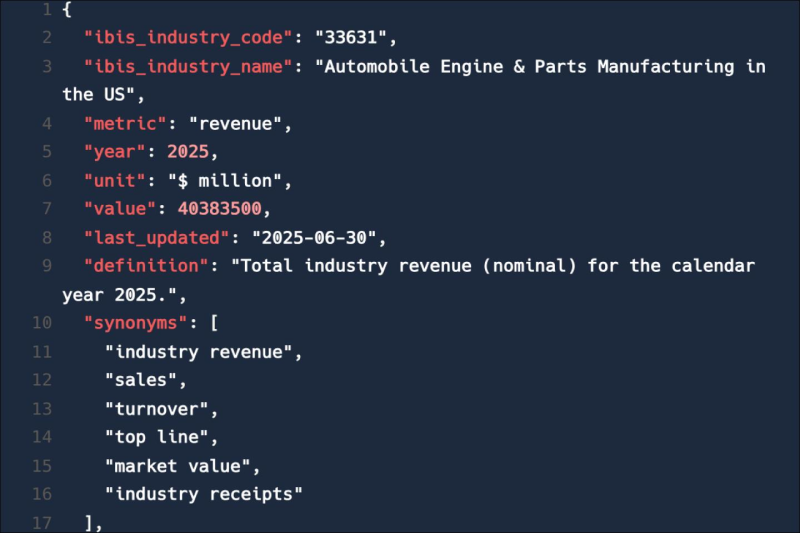
Feed trusted, human-driven industry intelligence straight into your platform.
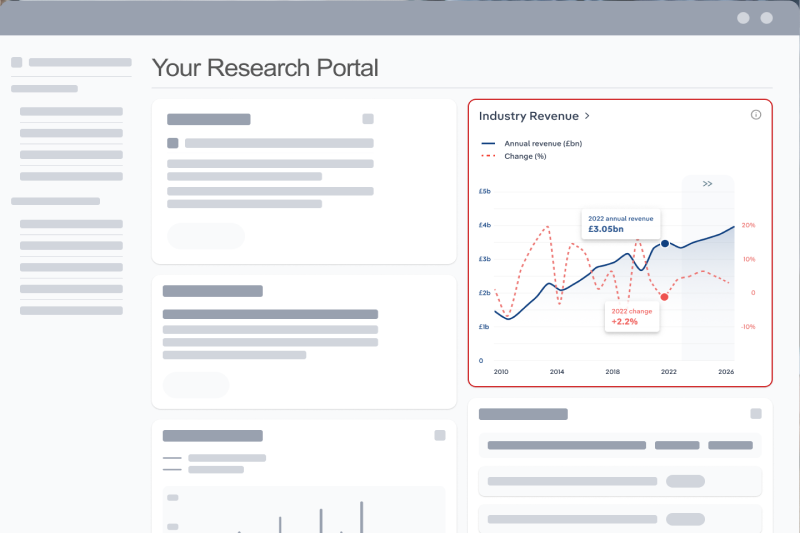
Streamline your workflow with IBISWorld’s intelligence built into your toolkit.
Explore industries with similar markets, supply chains, and economic drivers to gain broader context and insights.
| Industry | Country | Last 5-yr CAGR | Forecast 5-year CAGR | Revenue |
|---|---|---|---|---|
| Community Colleges in the US |
|
XX% | XX% | $XX |
| Trade & Technical Schools in the US |
|
XX% | XX% | $XX |
| Colleges & Universities in the US |
|
XX% | XX% | $XX |
| Cryogenic Biobanking Services in the US |
|
XX% | XX% | $XX |
| Culinary Arts Schools in the US |
|
XX% | XX% | $XX |
| Dental Schools in the US |
|
XX% | XX% | $XX |
| Educational Services in the US |
|
XX% | XX% | $XX |
| Laboratory Supply Wholesaling in the US |
|
XX% | XX% | $XX |
| Massage Schools in the US |
|
XX% | XX% | $XX |
| Nursing Schools in the US |
|
XX% | XX% | $XX |
| Clinical Trial Support Services in the US |
|
XX% | XX% | $XX |
| Cosmetology & Beauty Schools in the US |
|
XX% | XX% | $XX |
| Sports & Athletic Field Construction in the US |
|
XX% | XX% | $XX |
| Sports Stadium Construction in the US |
|
XX% | XX% | $XX |
| School Supplies Wholesaling in the US |
|
XX% | XX% | $XX |
When the stakes are high, you need intelligence that cuts through the noise—wherever you work.
The government funding for universities in the US in 2025 was $240.33 billion.
The government funding for universities in the US grew by 3.11% in 2025.
IBISWorld’s data and analysis on government funding for universities in the US includes forecasted growth rates over the next five years.