
IBISWorld Platform
Answer any industry question in minutes with our entire database at your fingertips.

The homeownership rate is projected to decline to 65.1% in 2026, down from 65.3% the previous year. This continued erosion reflects persistent affordability challenges as elevated mortgage rates and housing prices constrain homebuying accessibility for many American households. First-time homebuyer participation remains particularly weak, as younger demographics face the dual burden of student loan debt and record-high home prices relative to median incomes. Construction costs and land scarcity continue limiting new housing supply in high-demand markets, exacerbating affordability pressures across metropolitan areas. Credit tightening by mortgage lenders has also reduced loan accessibility, particularly affecting borrowers with marginal credit profiles or limited down payment resources. Regional variations remain significant, with affordable markets in the Midwest and South maintaining higher ownership rates while coastal metropolitan areas experience more pronounced declines due to extreme price appreciation over recent decades.Homeownership rates have exhibited seen some minor ups and downs over the past five years, reflecting the complex interplay of monetary policy changes and structural housing market challenges. Homeownership ticked downward at the start of the current period, falling to 65.5% in 2021 as mortgage rates began rising and housing inventory shortages intensified competition among buyers. Modest recovery attempts occurred in 2022 and 2023, with rates inching upward to 65.8% and 65.9%, respectively, though these gains reflected temporary market adjustments rather than fundamental improvements in housing accessibility.The trajectory resumed its downward path in 2024, declining to 65.6%. Homeownership rates then dropped another 0.3 percentage points in 2025. The fundamental drivers of this decline include mortgage rate increases from near-zero pandemic levels to elevated current ranges, which have dramatically reduced purchasing power for prospective homebuyers. Housing price appreciation has significantly outpaced income growth across most markets, creating affordability gaps that exclude increasing numbers of households from homeownership opportunities.Demographic factors have also influenced ownership trends during this period, with millennials reaching prime homebuying age while facing unprecedented affordability constraints. Student loan burdens, delayed household formation patterns and preference shifts toward urban rental living have reduced traditional homeownership demand among younger demographics. Additionally, institutional investor participation in single-family housing markets has increased competition for available properties, further constraining access for individual homebuyers. Construction industry challenges including labor shortages, material cost inflation, and regulatory constraints have limited new housing production needed to meet underlying demand, perpetuating supply-demand imbalances that support elevated prices and reduced ownership accessibility.
Curious about what drives these trends? IBISWorld's analyst coverage on the homeownership rate includes detailled analysis on the current performance, outlook and industries affected.
1980-2032
The homeownership rate represents the proportion of households that own the home in which they live. Data is sourced from the US Census Bureau.
IBISWorld Industry Reports are available in multiple formats to fit seamlessly into your workflow.

Answer any industry question in minutes with our entire database at your fingertips.
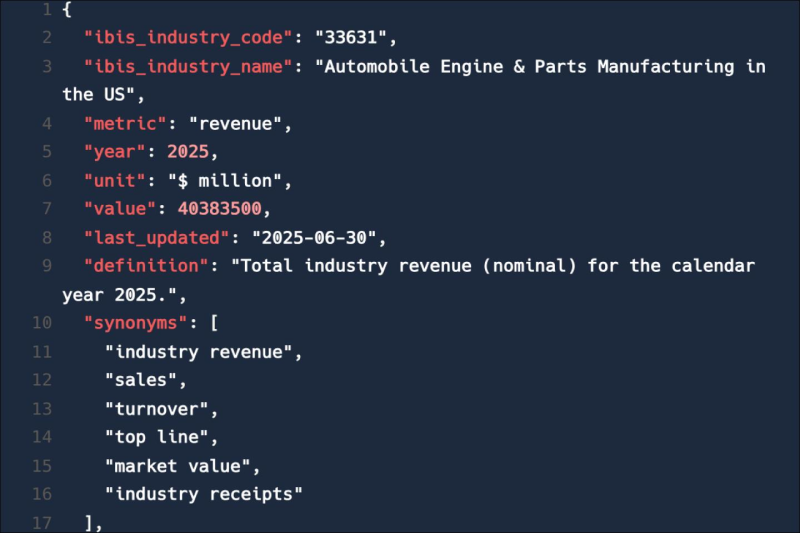
Feed trusted, human-driven industry intelligence straight into your platform.
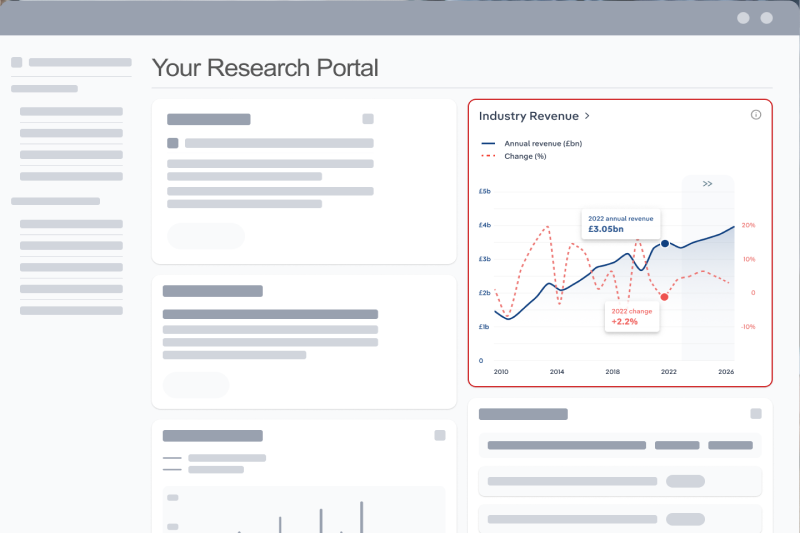
Streamline your workflow with IBISWorld’s intelligence built into your toolkit.
Explore industries with similar markets, supply chains, and economic drivers to gain broader context and insights.
When the stakes are high, you need intelligence that cuts through the noise—wherever you work.
The homeownership rate in the US in 2026 was 65.07%.
The homeownership rate in the US declined by -0.13% in 2026.
IBISWorld’s data and analysis on homeownership rate in the US includes forecasted growth rates over the next five years.