
IBISWorld Platform
Answer any industry question in minutes with our entire database at your fingertips.

Inbound trips to the United States by non-US residents are projected to increase 2.1 percent in 2026, signaling a rebound from 2025's weaker demand, which was dampened by negative sentiment toward the country. This recovery will be driven largely by the 2026 World Cup, which is expected to deliver a major boost to the US economy, stimulate mass travel and restore international visitation. The tournament will give airlines and destinations strong incentives to attract additional travelers, though stricter immigration enforcement will temper inflows and modestly constrain massive year-over-year growth.Across 2021 to 2026, inbound trips were defined by marked volatility. The return of global travel in 2021 was gradual and inconsistent, as continued restrictions and low confidence kept arrival volumes below pre-pandemic benchmarks. Demand surged in 2022 with a 127.9% uptick as restrictions loosened and pent-up demand was released, marking the fastest growth in the period. Capacity was capped by long US visa wait times, with average waits for first-time travelers extending over a year, and sporadic reintroduction of testing requirements constrained specific markets, notably China in 2023. While 2024 saw a 9.1% rebound, surpassing pre-pandemic levels thanks to improved visa processing, affordability, and increased travel safety, the climb was tempered by emerging geopolitical tensions and uneven recovery in global source markets. Throughout these years, policy interventions, visa accessibility, and international shocks shaped the pace and pattern of recovery, with economic fundamentals supporting sustained travel growth.Over the five-year period ending in 2026, inbound trips grew at a 25.7% compound annual rate, albeit from an extremely low base in 2021. Broader trends such as global economic recovery, easing pandemic restrictions, and improved pricing for travel services supported the rebound. Regulatory changes, security policies, and the fluctuating state of international relations remain substantial external influences on US inbound travel, underscoring the sector's ongoing susceptibility to global shocks.
Curious about what drives these trends? IBISWorld's analyst coverage on the inbound trips by non-us residents includes detailled analysis on the current performance, outlook and industries affected.
2000-2032
This report tracks the number of foreign arrivals into the United States for leisure and business. The data is sourced from the International Visitation to the United States report compiled by the Office of Travel and Tourism Industries in conjunction with the US Department of Commerce.
IBISWorld Industry Reports are available in multiple formats to fit seamlessly into your workflow.
Answer any industry question in minutes with our entire database at your fingertips.
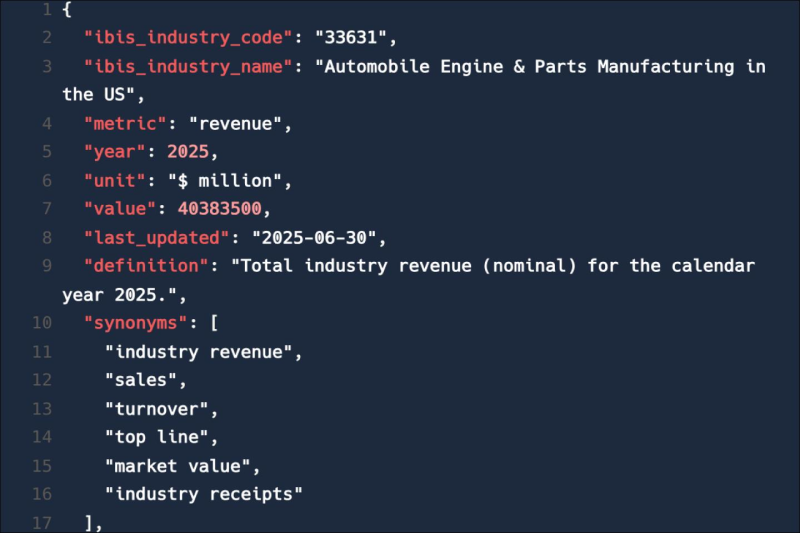
Feed trusted, human-driven industry intelligence straight into your platform.
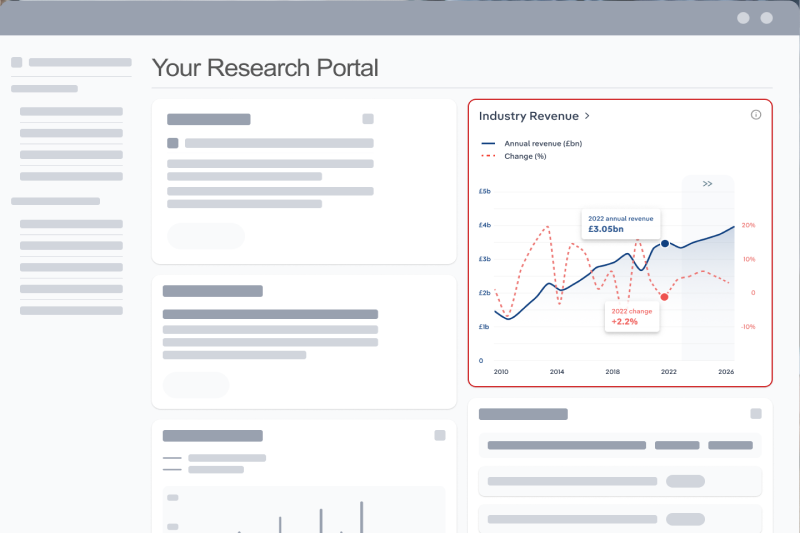
Streamline your workflow with IBISWorld’s intelligence built into your toolkit.
Explore industries with similar markets, supply chains, and economic drivers to gain broader context and insights.
When the stakes are high, you need intelligence that cuts through the noise—wherever you work.
The inbound trips by non-us residents in the US in 2026 was 69.95 million.
The inbound trips by non-us residents in the US grew by 25.71% in 2026.
IBISWorld’s data and analysis on inbound trips by non-us residents in the US includes forecasted growth rates over the next five years.