
IBISWorld Platform
Answer any industry question in minutes with our entire database at your fingertips.

Industrial production is set to expand 1.9% in 2026, reaching an index value of 103.2 and expanding at a CAGR of 0.8% over the past five years. Industrial production has historically been driven by technological advancements, resource availability and economic policies. The Industrial Revolution marked a shift from manual labor to mechanized production, with innovations like the steam engine and assembly lines revolutionizing manufacturing. Access to natural resources, development of transportation networks and supportive economic policies encouraged industrial growth. Global trade expansion, particularly through colonial empires, provided raw materials and markets for industrial goods. These factors collectively laid the foundation for industrialization in Europe, North America and later Asia.Over the past five years, industrial production has been shaped by technological integration, reshoring trends and sustainability initiatives. The adoption of Industry 4.0 technologies, such as AI, robotics and IoT, has enhanced efficiency and reduced costs. In response to supply chain disruptions and geopolitical tensions, many companies have relocated production closer to domestic markets, supported by government incentives. Sustainability efforts have driven investments in renewable energy technologies and sustainable manufacturing practices. Economic recovery post-pandemic, evolving workforce dynamics and rebounding global demand have also contributed to industrial growth, despite challenges like inflationary pressures. Uncertain tariff policy has slowed industrial production.
Curious about what drives these trends? IBISWorld's analyst coverage on the industrial production index includes detailled analysis on the current performance, outlook and industries affected.
1980-2032
The industrial production index measures the output from the mining, manufacturing, electric and gas industries. The data for this report is sourced from the Federal Reserve and is indexed to 2017. The values presented in this report are annual figures, derived from equally weighted monthly averages.
IBISWorld Industry Reports are available in multiple formats to fit seamlessly into your workflow.

Answer any industry question in minutes with our entire database at your fingertips.
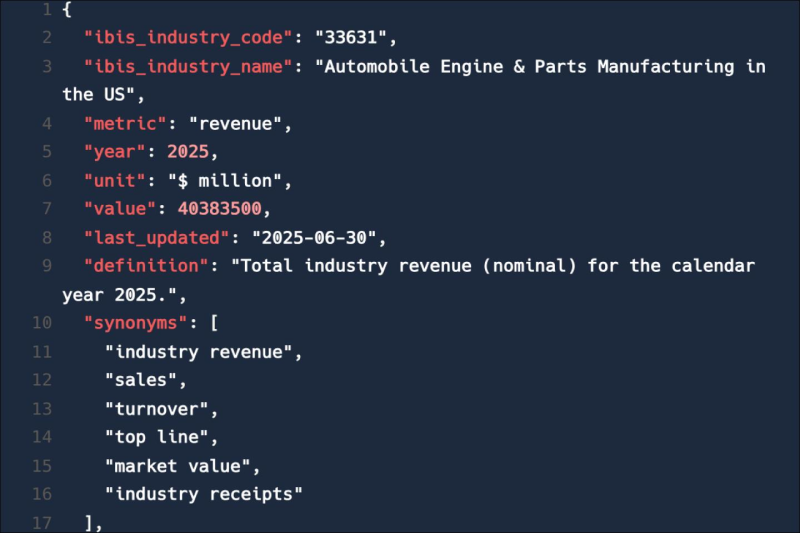
Feed trusted, human-driven industry intelligence straight into your platform.
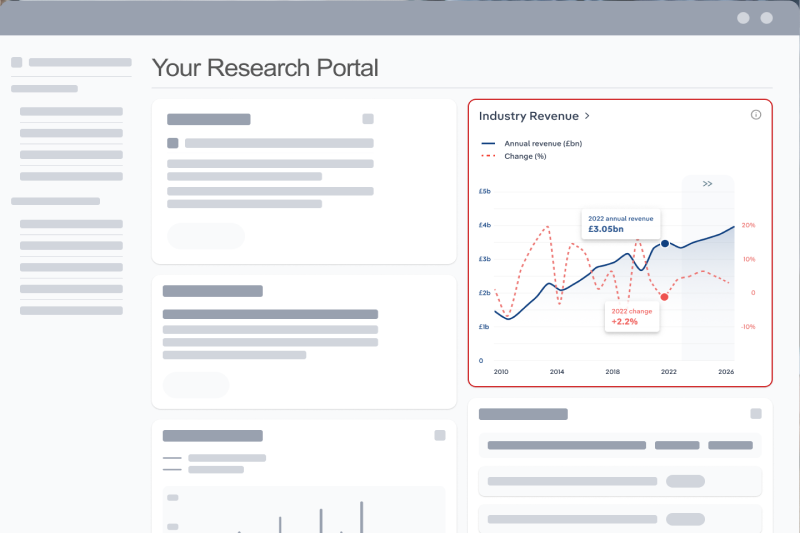
Streamline your workflow with IBISWorld’s intelligence built into your toolkit.
Explore industries with similar markets, supply chains, and economic drivers to gain broader context and insights.
When the stakes are high, you need intelligence that cuts through the noise—wherever you work.
The industrial production index in the US in 2026 was 103.16 index points.
The industrial production index in the US grew by 0.77% in 2026.
IBISWorld’s data and analysis on industrial production index in the US includes forecasted growth rates over the next five years.