
IBISWorld Platform
Answer any industry question in minutes with our entire database at your fingertips.

In 2025, the price of fruit index is poised to increase by 2.3%, reaching an estimated value of 174.8. This year's trend is driven primarily by the implementation of a 10.0% US tariff on almost all global fruit imports, excluding those from Mexico and Canada under the USMCA agreement. These tariffs, affecting imports from countries such as Peru and Guatemala, are designed to curb the national trade deficit but are resulting in higher consumer prices domestically. Simultaneously, fruit imports from markets unaffected by the new tariffs, notably Mexico and Canada, have helped partially stabilize supply, preventing more severe price increases. In addition, ongoing natural disasters and weather disruptions in 2024 have increased reliance on fruit imports, which continues to affect pricing in 2025.Over the five-year period from 2020 to 2025, the price of fruit has climbed at an estimated CAGR of 4.7%. The pandemic in 2021 caused supply chain disruptions and acute shortages, accelerating price growth as consumer demand for fresh produce surged due to shifting health-related consumption habits. In 2022, prices jumped 18.1%, reflecting heightened demand, alongside global supply constraints exacerbated by the ongoing conflict in Ukraine and a series of natural disasters. These macroeconomic and geopolitical factors have contributed to persistent volatility and supply chain issues, resulting in sharp price increases. As supply chain issues eased, prices weakened Through this period, several macro trends have had a significant influence on fruit prices. Global supply chain bottlenecks, influenced by the lingering effects of the COVID-19 pandemic, the conflict in Ukraine and climate-related events, have contributed to volatility in both supply and cost structure. The imposition of trade tariffs is a significant recent trend, markedly influencing fruit import patterns and domestic pricing. The resilience of agreements such as the USMCA has helped mitigate the impact of tariffs on prices from key partner countries. Additionally, evolving consumer preferences toward healthier eating since the pandemic have sustained elevated demand for fresh fruit, impacting both price levels and sourcing strategies.Across the 2021–2025 period, the price of fruit has displayed moderate volatility with less fluctuation compared to other farm products, primarily due to the absence of a direct correlation with fuel prices. Volatility has resulted primarily from supply disruptions and changes in household income, while the price trajectory has been shaped by a combination of supply shocks, shifts in consumer behavior, adverse weather events and evolving US trade policy.
Curious about what drives these trends? IBISWorld's analyst coverage on the initial public offerings includes detailled analysis on the current performance, outlook and industries affected.
2002-2031
The price of fruit represents the prices received by farmers for their fresh fruits and melons. Annual figures presented in this report are equally weighted averages of monthly means. Data is from the Bureau of Labor Statistics, with forecast growth rates sourced from the US Department of Agriculture (USDA).
IBISWorld Industry Reports are available in multiple formats to fit seamlessly into your workflow.

Answer any industry question in minutes with our entire database at your fingertips.
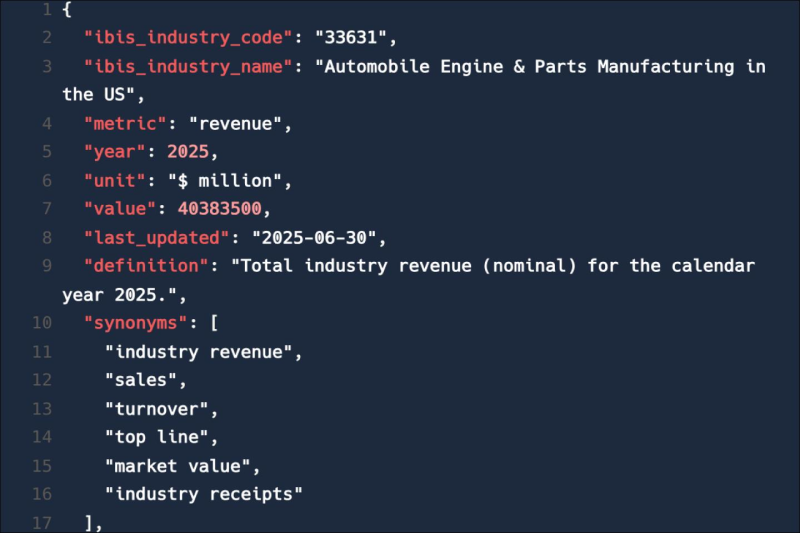
Feed trusted, human-driven industry intelligence straight into your platform.
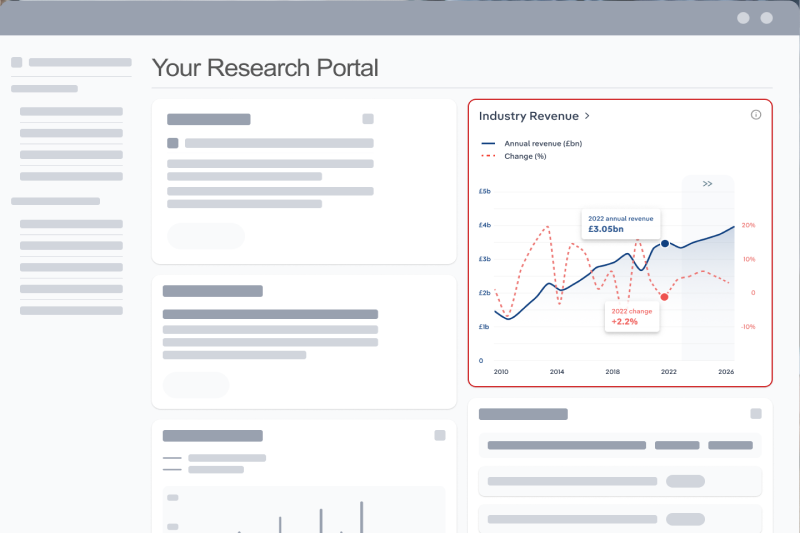
Streamline your workflow with IBISWorld’s intelligence built into your toolkit.
Explore industries with similar markets, supply chains, and economic drivers to gain broader context and insights.
| Industry | Country | Last 5-yr CAGR | Forecast 5-year CAGR | Revenue |
|---|---|---|---|---|
| Merchant Banking Services in the US |
|
XX% | XX% | $XX |
| Corporate Law Firms in the US |
|
XX% | XX% | $XX |
| Investment Banking & Securities Intermediation in the US |
|
XX% | XX% | $XX |
| Law Firms in the US |
|
XX% | XX% | $XX |
| Private Equity, Hedge Funds & Investment Vehicles in the US |
|
XX% | XX% | $XX |
When the stakes are high, you need intelligence that cuts through the noise—wherever you work.
The initial public offerings in the US in 2025 was $54.13 billion.
The initial public offerings in the US declined by -7.09% in 2025.
IBISWorld’s data and analysis on initial public offerings in the US includes forecasted growth rates over the next five years.