
IBISWorld Platform
Answer any industry question in minutes with our entire database at your fingertips.

The Japanese yen is estimated to reach an exchange rate of 154.9 yen per US dollar in 2026, reflecting a slight depreciation following a one-year return to appreciation in 2025. This change is influenced by temporary support actions under the Trump Administration, yet the currency remains weaker compared to pre-2022 levels. Continued volatility and international monetary policies persistently affect the yen.From 2021 to 2026, the yen's exchange rate was impacted by various macroeconomic and market factors. At the onset of the current period, a pandemic-induced surge in Japan raised recovery concerns, reinforcing the yen's safe-haven status. However, this was offset by the US Federal Reserve's aggressive tightening in 2022 to combat inflation, leading to the yen's depreciation to a 20-year low. The yen continued to weaken against the US dollar in 2023 and 2024 due to divergent monetary policies and economic performance between Japan and the US. However, the yen began to slightly grow in comparative value to the US dollar in 2025 as the Bank of Japan tightened its monetary policy and growth in the US dollar index slowed. Still, the yen returned to depreciation in 2026 as the gap between the two central banks' interest rates remains largely in the Federal Reserve's favor.Domestic factors also influenced the yen. Consumer spending and investments supported Japanese GDP in the early period, aiding stability despite restrictions. However, Japan's persistently low interest rates encouraged capital outflows as investors sought higher returns abroad, contributing to currency depreciation. Japan's weak economic recovery relative to other major economies further impacted the yen's appeal.Cross-border capital flows, global economic uncertainty and investor risk appetite also affected the yen. Although the yen experienced periodic demand spikes during global instability, these were insufficient to counteract depreciation caused by policy divergence and economic underperformance.Over the five years to 2026, the yen experienced significant year-over-year depreciation despite a one-year downturn in the exchange rate. Sensitivity to policy adjustments, recovery rates between economies and safe-haven dynamics have been significant in shaping the yen's value.
Curious about what drives these trends? IBISWorld's analyst coverage on the japanese yen exchange rate includes detailled analysis on the current performance, outlook and industries affected.
1980-2032
The St. Louis Federal Reserve measures the US dollar to Japanese yen exchange rate as the average value on the first day of each month. Annual figures referenced in this report are the equally weighted averages of these monthly figures.
IBISWorld Industry Reports are available in multiple formats to fit seamlessly into your workflow.

Answer any industry question in minutes with our entire database at your fingertips.
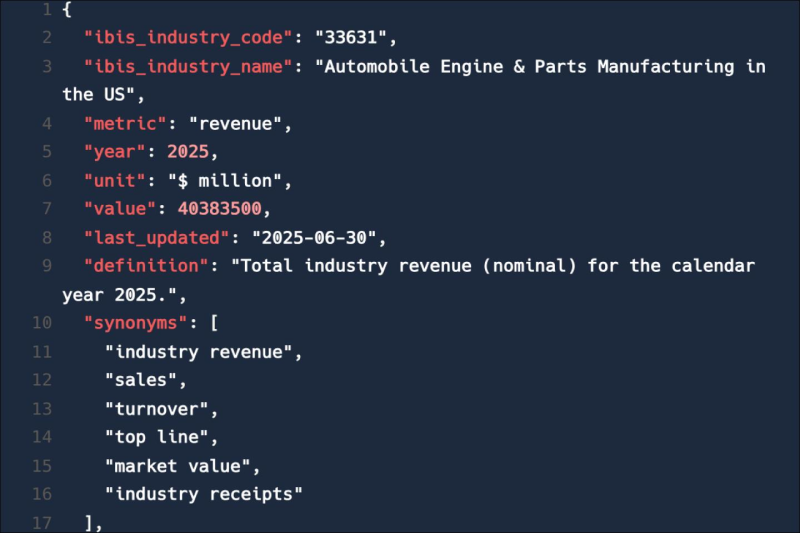
Feed trusted, human-driven industry intelligence straight into your platform.
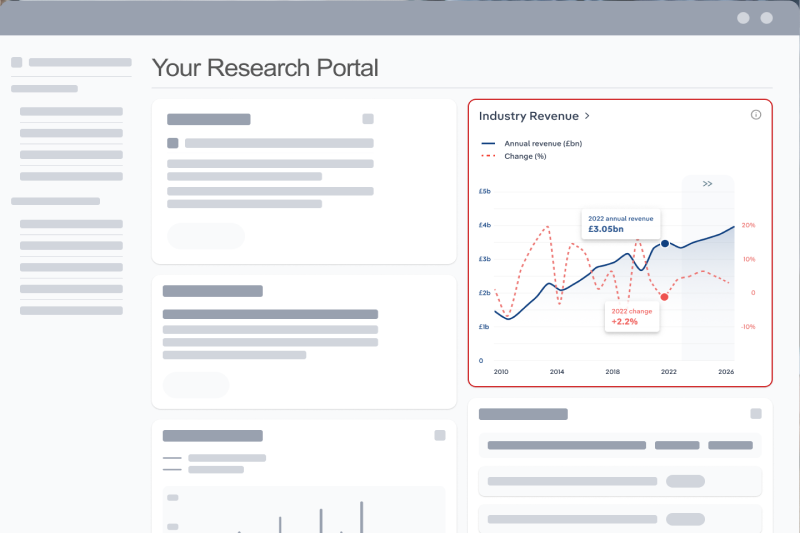
Streamline your workflow with IBISWorld’s intelligence built into your toolkit.
Explore industries with similar markets, supply chains, and economic drivers to gain broader context and insights.
When the stakes are high, you need intelligence that cuts through the noise—wherever you work.
The japanese yen exchange rate in the US in 2026 was 154.88 ¥.
The japanese yen exchange rate in the US grew by 7.11% in 2026.
IBISWorld’s data and analysis on japanese yen exchange rate in the US includes forecasted growth rates over the next five years.