
IBISWorld Platform
Answer any industry question in minutes with our entire database at your fingertips.

The median age of the US population is estimated to reach 39.4 years in 2026, underscoring a steady aging trend. This shift reflects improvements in medical care and nutrition, alongside the continued aging of the baby boomer cohort, which together raise the share of older adults in the population. Lower fertility is reinforcing this pattern. The Congressional Budget Office projects that the total fertility rate will fall to about 1.58 births per woman in 2026, down from pre-2007 levels, meaning births are still occurring but not at a pace that would expand the proportion of younger Americans. At the same time, hospital survival rates are improving, keeping more people alive into older age. According to Vizient, key medical outcome indicators for hospitalized patients were about 30.0% better in the second quarter of 2025 than in 2019, reflecting advances in diagnostics and treatment. These gains contribute to higher longevity and add upward pressure on the median age, since more patients survive serious conditions and remain in older age brackets. In combination, declining fertility and improving medical outcomes point to a sustained increase in the median age over the coming years.From 2021 to 2026, the US median age rose steadily, increasing 1.9% from 39.4 to 39.9 years as the population continued to age. The aging trend picked up in 2021 with a 1.6% jump, following the initial impacts of COVID-19. The brief dip in median age in 2020 (down 0.8%) reflected elevated mortality among older adults during the pandemic, which temporarily reduced the share of seniors in the population. Rapid vaccine rollout and better treatments in 2021 and 2022 supported a rebound among older cohorts, with median age growth of 1.6% and 0.5%, respectively. Continued gains in healthcare, booster campaigns and public health measures helped limit pandemic-related deaths among older adults. At the same time, persistently low birth rates reduced the share of younger people, adding further upward pressure on the median age.Multiple structural forces are now pushing the median age higher in a durable way. Key drivers include gradual increases in life expectancy, ongoing medical and technological innovation, and sustained declines in fertility rates. Large baby boomer cohorts moving into and through retirement, coupled with better chronic disease management and more widespread preventive care, mean longevity gains are outpacing new births. Falling smoking rates and changing attitudes toward cigarettes have also improved health outcomes, reinforcing these longevity trends. Broader access to healthcare, stronger public health standards and continued subreplacement fertility are expected to keep the median age on an upward trajectory. As a result, the five years to 2025 marked a notable rise in demographic aging, with important implications for labor supply, healthcare demand and long-term economic planning.
Curious about what drives these trends? IBISWorld's analyst coverage on the median age of population includes detailled analysis on the current performance, outlook and industries affected.
1990-2032
The data for this report, including forecasts, are sourced from the US Census Bureau and IBISWorld. The estimates provided refer to the population as of July 1 for that year. The forecasts in this report are also sourced from the US Census Bureau and assume that population rates will continue to rise.
IBISWorld Industry Reports are available in multiple formats to fit seamlessly into your workflow.

Answer any industry question in minutes with our entire database at your fingertips.
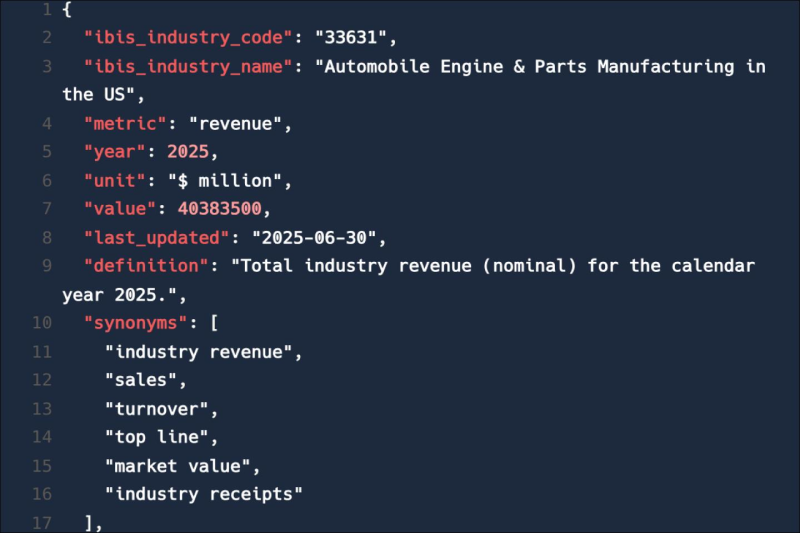
Feed trusted, human-driven industry intelligence straight into your platform.
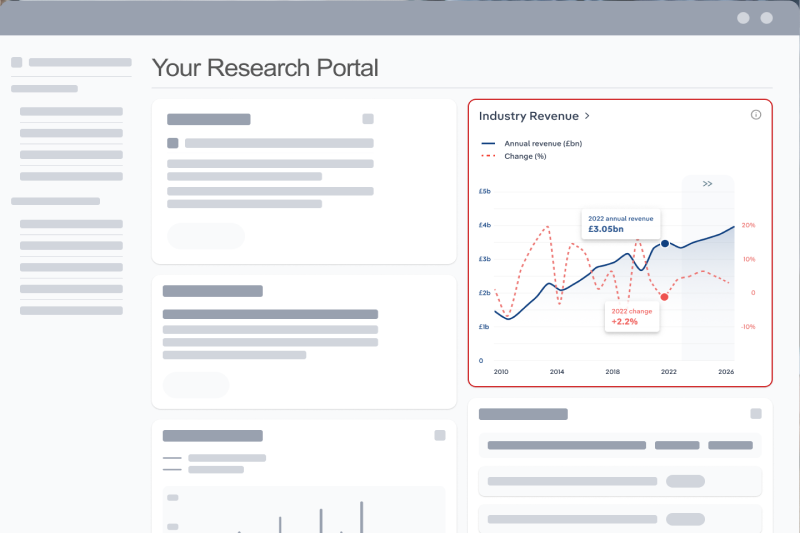
Streamline your workflow with IBISWorld’s intelligence built into your toolkit.
Explore industries with similar markets, supply chains, and economic drivers to gain broader context and insights.
When the stakes are high, you need intelligence that cuts through the noise—wherever you work.
The median age of population in the US in 2026 was 39.4 years.
The median age of population in the US grew by 0.31% in 2026.
IBISWorld’s data and analysis on median age of population in the US includes forecasted growth rates over the next five years.