
IBISWorld Platform
Answer any industry question in minutes with our entire database at your fingertips.

In 2026, the national debt-to-GDP ratio is projected to rise 1.2% year over year, reaching 124.8%. This increase is driven largely by the 2025 OBBBA, which expands federal spending while cutting tax revenues, including more lenient SALT provisions that are expected to erode federal receipts through 2029. Efforts to trim the federal workforce and reduce select agency funding will provide only limited offset, as higher interest costs and rising outlays for programs such as Social Security and other mandatory benefits continue to push expenditures higher. Defense spending is also set to edge up or remain elevated, constraining any meaningful pullback in total spending. On the other side of the ratio, GDP growth is expected to remain moderate as inflationary pressures and higher costs weigh on real activity, limiting the denominator's ability to counter rising debt levels.Over the five-year period from 2021, the national debt-to-GDP ratio underwent significant changes prompted by the COVID-19 pandemic and its economic consequences, which necessitated unprecedented fiscal stimulus through the Families First Coronavirus Response Act and the CARES Act. As unemployment soared, government tax revenues plummeted, leading to a sharp uptick in federal debt to fund rising deficits. As pandemic conditions stabilized, the enactment of the American Rescue Plan Act in 2021 contributed to a reduction in the debt-to-GDP ratio, with pandemic-related spending declining and government revenues showing marginal improvement. The period was characterized by successive GDP growth trajectories, even amid recession fears sparked by increasing interest rates. Inflation, influencing GDP in nominal terms, also contributed to perceived debt reductions by temporarily inflating economic activity metrics.Yet, national spending expanded under the Biden Administration, notably through initiatives like the Infrastructure Investment and Jobs Act of 2021, which boosted long-term project spending, thereby maintaining elevated expenditure levels. Such spending dampened potential declines in the debt-to-GDP ratio, as increased project funding commitments offset reductions in the federal debt-to-GDP ratio. In 2025, the national debt-to-GDP ratio is increased by 0.2%, reaching 122.5%. The growth is largely attributable to enhanced federal funding aimed at bolstering social services and the defense sector, which has a significant impact on the debt-to-GDP ratio. Meanwhile, the GDP has faced challenging conditions because of the initial and subsequent impacts of tariffs, alongside the extended repercussions following economic shocks absorbed during ongoing trade negotiations led by the Trump Administration. Despite this, this convergence of fiscal policy actions resulted in a measured increase in the debt-to-GDP ratio, achieving a CAGR of 0.3% between 2021 and 2026.
Curious about what drives these trends? IBISWorld's analyst coverage on the national debt/deficit to gdp includes detailled analysis on the current performance, outlook and industries affected.
1980-2032
The national debt to gross domestic product (GDP) ratio measures the proportion of gross federal debt to US GDP. Data is sourced from the White House's Office of Management and Budget (OMB).
IBISWorld Industry Reports are available in multiple formats to fit seamlessly into your workflow.

Answer any industry question in minutes with our entire database at your fingertips.
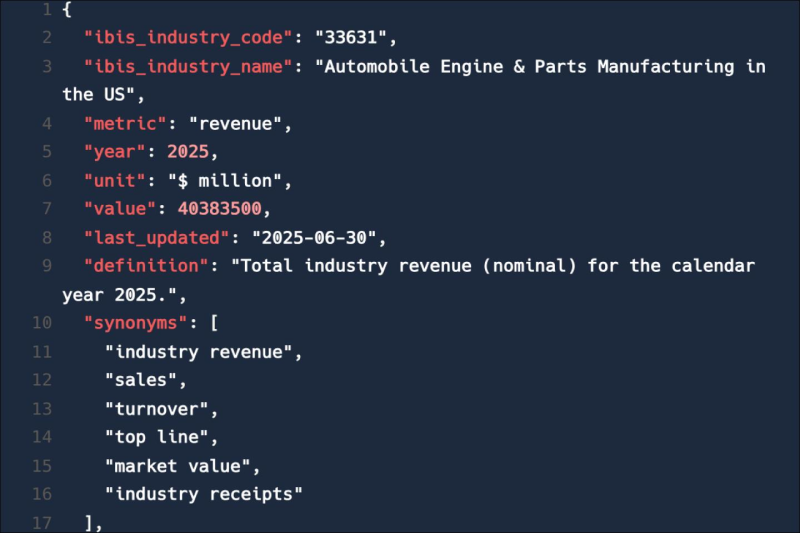
Feed trusted, human-driven industry intelligence straight into your platform.

Streamline your workflow with IBISWorld’s intelligence built into your toolkit.
Explore industries with similar markets, supply chains, and economic drivers to gain broader context and insights.
| Industry | Country | Last 5-yr CAGR | Forecast 5-year CAGR | Revenue |
|---|---|---|---|---|
| Postal Service in the US |
|
XX% | XX% | $XX |
When the stakes are high, you need intelligence that cuts through the noise—wherever you work.
The national debt/deficit to gdp in the US in 2026 was 124.78%.
The national debt/deficit to gdp in the US grew by 0.26% in 2026.
IBISWorld’s data and analysis on national debt/deficit to gdp in the US includes forecasted growth rates over the next five years.