
IBISWorld Platform
Answer any industry question in minutes with our entire database at your fingertips.

The national unemployment rate is projected to edge up by 0.1 percentage points in 2026, reaching 4.4% and marking a modest softening from the ultra-tight labor conditions of 2022–23. As a lagging indicator, this rise trails the broader economic slowdown that followed the Federal Reserve's aggressive rate-hike cycle, with higher borrowing costs eroding demand, curbing investment and prompting companies to slow hiring or pursue targeted layoffs. Because demand for labor closely follows sales of goods and services, weaker sales and tighter credit have led to cooler recruitment pipelines and a gradual normalization of job vacancies relative to unemployed workers. Despite this shift, the 2026 rate still sits near the 4.0% level that policymakers, including Treasury officials, have signaled as broadly consistent with a healthy labor market in a mature economy. Over the five years to 2026, unemployment has swung from crisis to historic recovery and now toward a more balanced, mid-cycle setting. As pandemic restrictions eased in 2021 and vaccination campaigns widened, the jobless rate rapidly fell back toward pre-COVID norms, dropping to 3.7% by 2022—roughly in line with the level recorded in 2019—while the economy added several hundred thousand jobs per month on average. Robust fiscal support during the pandemic, combined with exceptionally loose monetary policy, underpinned this rebound and helped deliver what think tanks and policymakers have described as a historically fast labor-market recovery, with unemployment running below 4.0% for a record multi-year stretch through 2023. That strength allowed the Federal Reserve to launch an aggressive tightening campaign in 2022–2024 to rein in inflation, lifting policy rates to multi-decade highs even as payrolls continued to expand. By 2024, though, the drag from elevated interest rates became clear. Borrowing costs weighed on capital-intensive sectors, hiring slowed and unemployment began to climb, helped along by high-profile layoffs and cuts in government employment. The Fed responded by pivoting to rate cuts from the third quarter of 2024 and continued in 2025, but the labor market still cooled, with the national jobless rate drifting into the mid-4.0% range by late 2025 and early 2026 as businesses shifted from expansion to profit protection. The net result is a five-year period defined first by a rapid plunge in unemployment from pandemic peaks, then an extended run of sub-4.0% joblessness and finally a controlled rise toward a more sustainable, mid-4.0% band as policy and demand normalize.
Curious about what drives these trends? IBISWorld's analyst coverage on the national unemployment rate includes detailled analysis on the current performance, outlook and industries affected.
1980-2032
The unemployment rate measures the proportion of Americans aged 16 and older who are currently unemployed and looking for work. This measure does not account for individuals who have given up on searching due to a lack of opportunities or otherwise, such as discouraged workers. The data presented in this report are annual averages based on unadjusted monthly data sourced from the Bureau of Labor Statistics (BLS).
IBISWorld Industry Reports are available in multiple formats to fit seamlessly into your workflow.
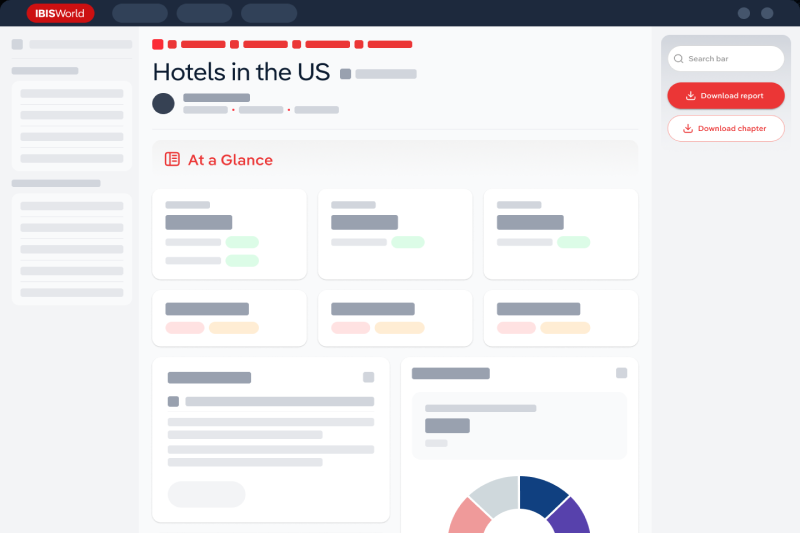
Answer any industry question in minutes with our entire database at your fingertips.
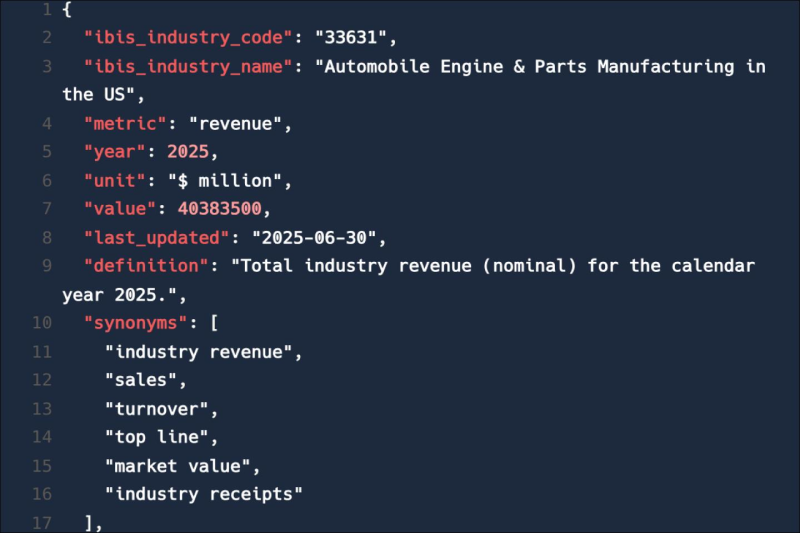
Feed trusted, human-driven industry intelligence straight into your platform.
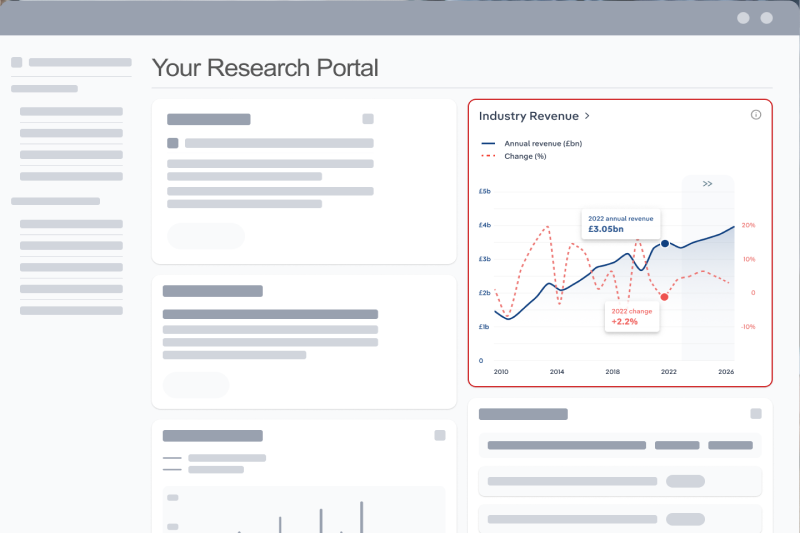
Streamline your workflow with IBISWorld’s intelligence built into your toolkit.
Explore industries with similar markets, supply chains, and economic drivers to gain broader context and insights.
When the stakes are high, you need intelligence that cuts through the noise—wherever you work.
The national unemployment rate in the US in 2026 was 4.36%.
The national unemployment rate in the US declined by -4.08% in 2026.
IBISWorld’s data and analysis on national unemployment rate in the US includes forecasted growth rates over the next five years.