
IBISWorld Platform
Answer any industry question in minutes with our entire database at your fingertips.

In 2026, the number of children aged nine and younger is estimated to fall to 37.39 million, a 0.7% drop from the prior year. The principal factor behind this slide is the sustained lag in birth rates, with CDC data showing the general fertility rate at historic lows and births increasingly concentrated among older mothers. In 2024, there were 10.67 births per 1,000 individuals, down from 12.21 in 2026 and 16.7 in 1990. Although the overall US population continues to grow, the volume of annual births remains well below levels seen in the 1990s and 2000s, so population gains at older ages only partially offset shrinking younger cohorts. As a result, the inflow of newborns is insufficient to replace the number of children aging out of the nine-and-younger bracket, keeping this youngest cohort on a gradual downward trajectory. Between 2021 and 2026, the number of young children fell from 39.2 million to 37.4 million, an average annual decline of 0.9%. This erosion reflects several intertwined macroeconomic and social forces, with the falling birth rate as the dominant driver. Shifting norms around family planning, greater emphasis on higher education and careers and the rising age at first birth all contribute to smaller completed family sizes. The pandemic's lasting effects depressed births over this five-year period. During and after the crisis, many households delayed or reconsidered having additional children amid job volatility, disruptions to childcare and schooling and heightened concern about healthcare access. At the same time, high housing and childcare costs, along with broader cost-of-living pressures, made it harder for younger adults to feel financially ready for parenthood, especially in high-cost metropolitan areas. Migration trends have reinforced the contraction in the under-10 population. Restricted immigration policies and tighter enforcement in the early 2020s reduced the number of families arriving or forming in the US, limiting a historic source of growth in the child population. Lower inflows have translated into fewer births than would have occurred under looser immigration regimes. Over the five years through 2026, the combined impact of weaker fertility, delayed family formation, elevated living costs and constrained migration has kept the number of children aged nine and younger on a persistent, if modest, downward slope.
Curious about what drives these trends? IBISWorld's analyst coverage on the number of children aged nine and younger includes detailled analysis on the current performance, outlook and industries affected.
1980-2032
The data for this report, including forecasts, are sourced from the US Census Bureau. The estimates provided refer to the population as of July 1st for that year. The forecasts in this report assume that fertility rates will continue to decline before stabilizing.
IBISWorld Industry Reports are available in multiple formats to fit seamlessly into your workflow.

Answer any industry question in minutes with our entire database at your fingertips.
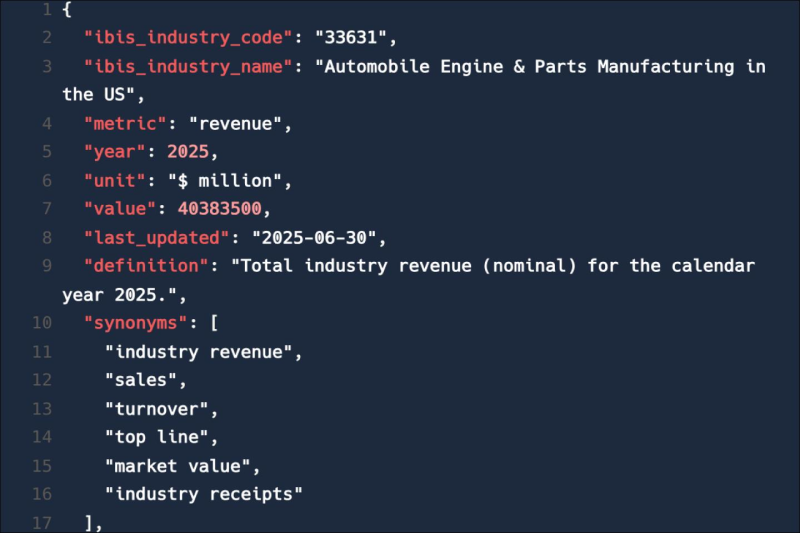
Feed trusted, human-driven industry intelligence straight into your platform.

Streamline your workflow with IBISWorld’s intelligence built into your toolkit.
Explore industries with similar markets, supply chains, and economic drivers to gain broader context and insights.
When the stakes are high, you need intelligence that cuts through the noise—wherever you work.
The number of children aged nine and younger in the US in 2026 was 37.39 million.
The number of children aged nine and younger in the US declined by -0.92% in 2026.
IBISWorld’s data and analysis on number of children aged nine and younger in the US includes forecasted growth rates over the next five years.