
IBISWorld Platform
Answer any industry question in minutes with our entire database at your fingertips.

In 2026, the number of college students in the United States is expected to reach 19.8 million, representing a 1.2% annual increase. This growth builds on a gradual rebound in college enrollment, following disruptions caused by the COVID-19 pandemic. Renewed interest in higher education appears to align with improving economic conditions and greater emphasis on the importance of educational attainment for stable employment. However, despite the recent recovery, total enrollment remains below its previous peak in the early 2010s, demonstrating that the sector continues to undergo structural changes driven by evolving student demographics and preferences.Between 2021 and 2026, overall college enrollment fluctuated, reflecting the broader economic and social environment. The early part of the period was marked by a decline in enrollment driven by the COVID-19 pandemic, with enrollment falling 1.9% in 2021. The recovery from this trough has been characterized by incremental gains, with consistent growth since 2023. The accelerated downturn was primarily driven by the pandemic, which limited students' ability or willingness to attend college. Full-time undergraduate enrollment has since rebounded more robustly, with students showing greater confidence in returning to in-person learning and valuing the traditional campus experience. Part-time enrollment, however, has not recovered at the same pace, likely due to persistent financial pressures and a changing work-study landscape.Graduate enrollment has demonstrated more resilience, remaining comparatively stable throughout the five-year period. This segment recorded modest growth as economic uncertainty led some individuals to pursue advanced degrees in hopes of improving their career prospects. The increasing variety of online graduate offerings further expanded access, particularly for working professionals seeking flexible options for continued education. Macroeconomic factors, such as labor market shifts and greater job specialization, have reinforced the appeal of advanced credentials and contributed to steady enrollment in graduate programs.The higher education sector has displayed resilience despite lingering pandemic effects and ongoing shifts in the labor market. Structural factors, including the changing value proposition of a college degree and evolving student priorities, have led to divergent enrollment trends among full-time, part-time and graduate students. Although the industry has rebounded from its recent low, the enrollment figures for 2026 remain below pre-pandemic peaks, highlighting a transition period as institutions and students continue to adapt to changing market conditions.
Curious about what drives these trends? IBISWorld's analyst coverage on the number of college students includes detailled analysis on the current performance, outlook and industries affected.
1980-2032
The number of college students represents the total enrollment (part-time and full-time, undergraduate and graduate) of both public and private universities. Data is sourced from the National Center for Education Statistics.
IBISWorld Industry Reports are available in multiple formats to fit seamlessly into your workflow.
Answer any industry question in minutes with our entire database at your fingertips.
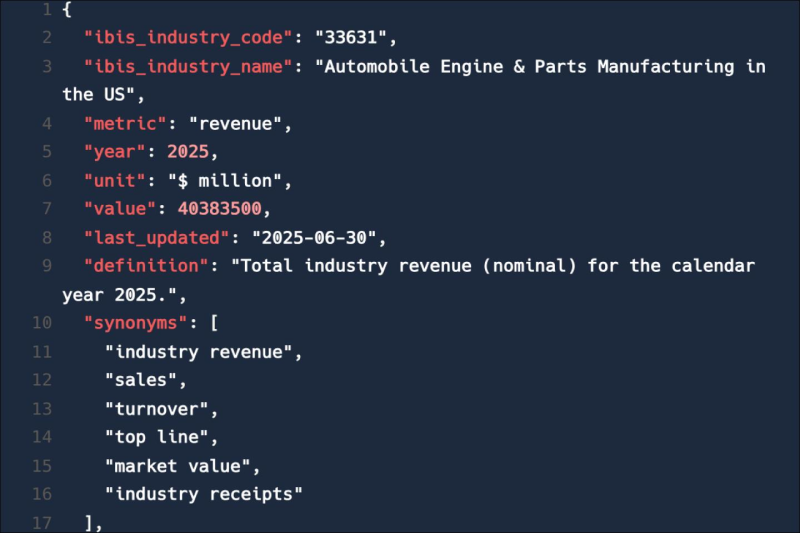
Feed trusted, human-driven industry intelligence straight into your platform.
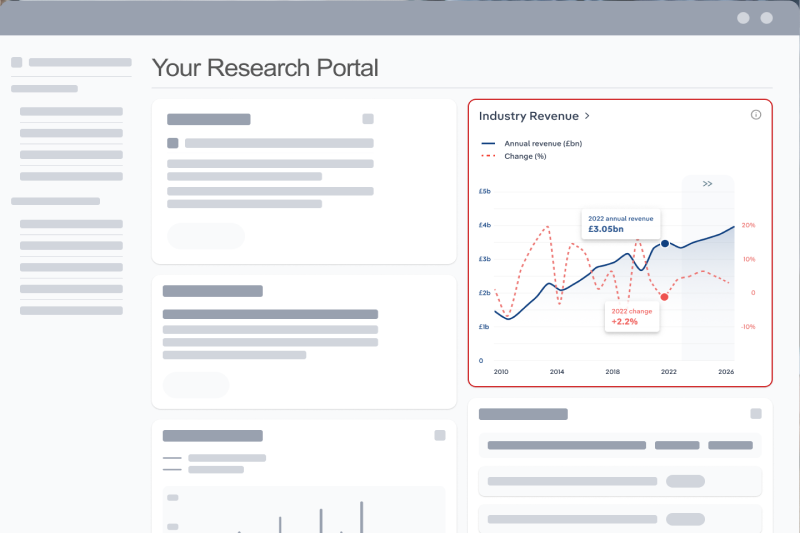
Streamline your workflow with IBISWorld’s intelligence built into your toolkit.
Explore industries with similar markets, supply chains, and economic drivers to gain broader context and insights.
| Industry | Country | Last 5-yr CAGR | Forecast 5-year CAGR | Revenue |
|---|---|---|---|---|
| Book Publishing in the US |
|
XX% | XX% | $XX |
| Education Consultants in the US |
|
XX% | XX% | $XX |
| Testing & Educational Support in the US |
|
XX% | XX% | $XX |
| E-Book Publishing in the US |
|
XX% | XX% | $XX |
| Community Colleges in the US |
|
XX% | XX% | $XX |
| Document Preparation Services in the US |
|
XX% | XX% | $XX |
| Formal Wear & Costume Rental in the US |
|
XX% | XX% | $XX |
| Online Book Sales in the US |
|
XX% | XX% | $XX |
| Online Tutoring Services in the US |
|
XX% | XX% | $XX |
| Business Certification & IT Schools in the US |
|
XX% | XX% | $XX |
| Job Training & Career Counseling in the US |
|
XX% | XX% | $XX |
| Tutoring & Driving Schools in the US |
|
XX% | XX% | $XX |
| Civic, Social & Youth Organizations in the US |
|
XX% | XX% | $XX |
| Laundromats in the US |
|
XX% | XX% | $XX |
| Food Service Contractors in the US |
|
XX% | XX% | $XX |
When the stakes are high, you need intelligence that cuts through the noise—wherever you work.
The number of college students in the US in 2026 was 19.81 million people.
The number of college students in the US grew by 1.2% in 2026.
IBISWorld’s data and analysis on number of college students in the US includes forecasted growth rates over the next five years.