
IBISWorld Platform
Answer any industry question in minutes with our entire database at your fingertips.

In 2026, the number of employees in the United States is estimated to reach 160.4 million, representing a 0.6% increase from the previous year. Growth in the national workforce this year is expected to be dampened by slowing macroeconomic growth and falling immigration rates. Overall population growth is still supporting a rise in employment, as labor supply expands. However, several underlying factors, such as demographic changes and slower economic momentum in certain sectors, are expected to moderate overall workforce gains. High-profile issues like an aging workforce and persistent labor mismatches remain central in shaping labor market dynamics.During the five years to 2026, the total number of employees in the US grew at an annualized rate of 1.9%, reflecting a period marked by both recovery and constraint. 2021 saw a strong rebound from pandemic lows, with the number of employed rising by 2.9% as government stimulus and widespread reopening of businesses fueled hiring. This recovery accelerated further in 2022, with employment surging by 4.3% as pent-up demand and improved economic confidence drove job gains across most industries. However, in subsequent years, the pace of workforce growth slowed. By 2023, annual growth had eased to 2.2% as stimulus effects waned and businesses faced persistent supply chain and inflationary pressures. In 2024, US employment growth continued to decelerate, increasing by a more modest 1.3%. Elevated interest rates triggered caution among employers, leading to slower hiring and, in some sectors, selective workforce reductions.Alongside these cyclical economic shifts, long-term trends played a significant role. The labor force expanded but at a slower rate due to lower birth rates, an aging population, and reduced prime-age workforce participation. Furthermore, rapid technological change and ongoing globalization supported hiring in skilled industries but constrained opportunities in traditional manufacturing roles. Immigration policies and shifts in government actions also shaped the workforce over the period, particularly as tighter or more selective immigration settings contributed to labor supply challenges in some markets.From 2021 to 2026, the US workforce trended upward but at varying rates after the sharp decline caused by the pandemic, reflecting a blend of macroeconomic recovery, ongoing demographic headwinds and shifts in technology and policy. These trends combined to sustain moderate growth but signaled growing constraints in labor supply that are likely to persist into the forecast period.
Curious about what drives these trends? IBISWorld's analyst coverage on the number of employees includes detailled analysis on the current performance, outlook and industries affected.
1980-2032
The number of employees represents the total nonfarm employees in the United States. Data is seasonally adjusted and sourced from the Bureau of Labor Statistics, with annual figures derived from monthly averages.
IBISWorld Industry Reports are available in multiple formats to fit seamlessly into your workflow.

Answer any industry question in minutes with our entire database at your fingertips.
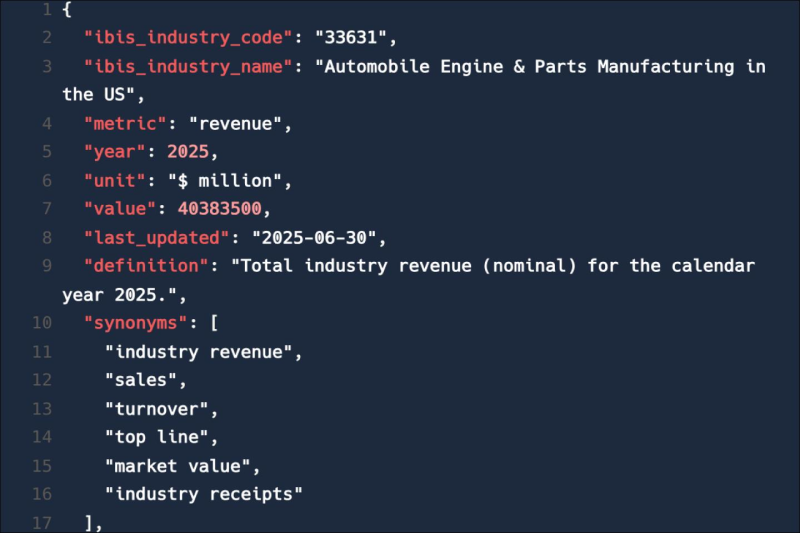
Feed trusted, human-driven industry intelligence straight into your platform.
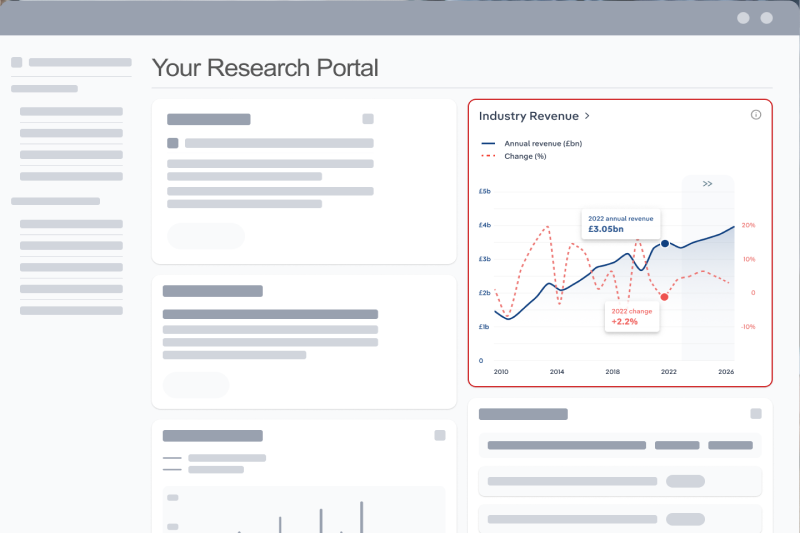
Streamline your workflow with IBISWorld’s intelligence built into your toolkit.
Explore industries with similar markets, supply chains, and economic drivers to gain broader context and insights.
When the stakes are high, you need intelligence that cuts through the noise—wherever you work.
The number of employees in the US in 2026 was 160.39 million.
The number of employees in the US grew by 1.86% in 2026.
IBISWorld’s data and analysis on number of employees in the US includes forecasted growth rates over the next five years.