
IBISWorld Platform
Answer any industry question in minutes with our entire database at your fingertips.

The total number of work-related deaths in the United States is projected to reach 5,502 people in 2025, representing a 1.1% increase from 2024. This increase reflects a period of employment recovery, with more workplaces hiring and a larger active workforce, which elevates the overall risk of occupational fatalities.Between 2020 and 2025, the number of work-related deaths exhibited notable volatility, primarily influenced by labor market shifts and macroeconomic conditions. In 2020, the number of work-related deaths increased at a CAGR of 2.9% as rising unemployment and the temporary closure of many in-person workspaces reduced the likelihood of on-the-job mortality. The end of pandemic-related restrictions in 2021 and 2022 triggered a strong rebound in employment, contributing to 8.9% and 5.7% rises in deaths for those years as more individuals returned to the workforce. In 2023, number of work-related deaths fell 3.7%, coinciding with a deceleration in employment gains. However, the resumption of hiring in 2024 and 2025 accelerated the growth rate, with annual increases of 3.0% and 1.1%, respectively.Over the past five years, ongoing structural shifts in the labor market, such as the transition toward white-collar and service-based employment, have tempered growth in the overall incidence of fatal workplace accidents, as these sectors generally present lower safety risks than traditional blue-collar industries. However, the pace of automation and adoption of labor-saving technologies has not been sufficient to offset rising fatalities during periods of strong job growth, emphasizing the continued vulnerability of workers in human-centered roles.
Curious about what drives these trends? IBISWorld's analyst coverage on the number of work-related deaths includes detailled analysis on the current performance, outlook and industries affected.
1992-2031
This report analyzes the annual number of fatal occupational injuries in the United States. Common causes of occupational fatalities include falls, machine-related incidents, motor vehicle accidents, electrocution, falling objects, homicides and suicides. Data is from the Bureau of Labor Statistics.
IBISWorld Industry Reports are available in multiple formats to fit seamlessly into your workflow.

Answer any industry question in minutes with our entire database at your fingertips.
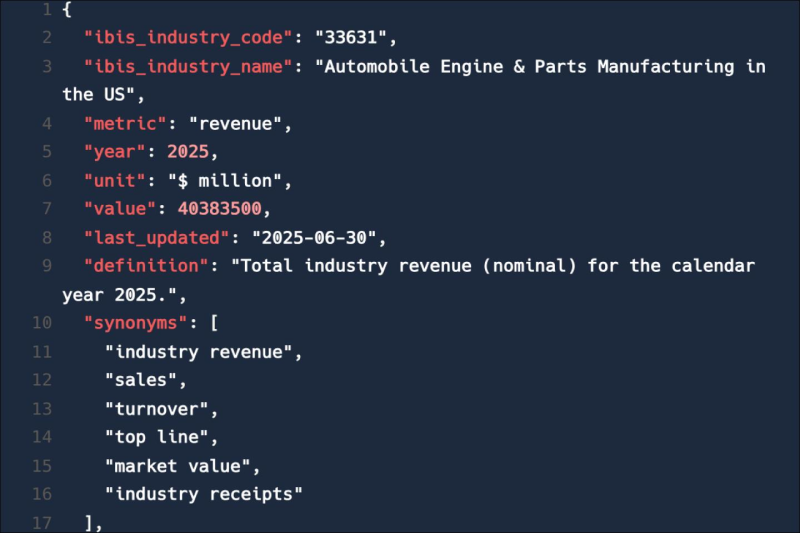
Feed trusted, human-driven industry intelligence straight into your platform.
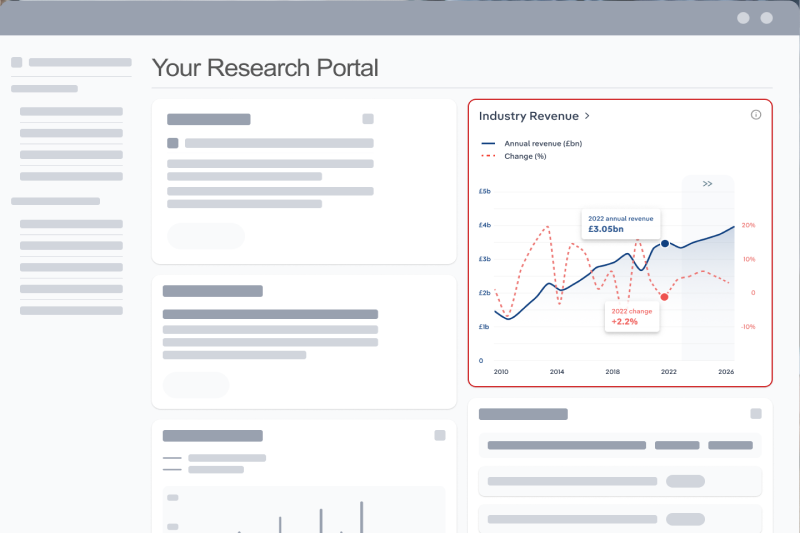
Streamline your workflow with IBISWorld’s intelligence built into your toolkit.
Explore industries with similar markets, supply chains, and economic drivers to gain broader context and insights.
| Industry | Country | Last 5-yr CAGR | Forecast 5-year CAGR | Revenue |
|---|---|---|---|---|
| Workers' Compensation & Other Insurance Funds in the US |
|
XX% | XX% | $XX |
| Workers' Compensation Insurance in the US |
|
XX% | XX% | $XX |
| Personal Injury Lawyers & Attorneys in the US |
|
XX% | XX% | $XX |
| Safety Equipment & Supplies Distributors in the US |
|
XX% | XX% | $XX |
| Benefit Administration Services in the US |
|
XX% | XX% | $XX |
| Contractors' Insurance in the US |
|
XX% | XX% | $XX |
When the stakes are high, you need intelligence that cuts through the noise—wherever you work.
The number of work-related deaths in the US in 2025 was 5,502 people.
The number of work-related deaths in the US grew by 2.92% in 2025.
IBISWorld’s data and analysis on number of work-related deaths in the US includes forecasted growth rates over the next five years.