
IBISWorld Platform
Answer any industry question in minutes with our entire database at your fingertips.

In 2025, the percentage of business conducted online in the United States expanded by 2.5% to reach 27.2%. This continued expansion is linked to advancing internet infrastructure and data capacity, which have supported broader adoption of digital business platforms and e-commerce services. Declining costs for internet-based services, driven by cloud computing and improved network reach, have directly enabled more operations to shift online for both consumers and businesses. The migration of retail from physical storefronts to online shops has become a defining trend, pushing more commerce activity into digital environments. Technological improvements in mobile devices have further amplified this transition, making online transactions more seamless and boosting digital participation across demographic groups.Key events shaping this five-year period include the structural change initiated by the COVID-19 pandemic in 2020, which resulted in a sharp 7.9% increase in the online share of business activity. The pandemic's effects, hybrid work models, wide-scale adoption of online shopping, and higher digital literacy, anchored permanent behavioral adjustments among consumers and businesses. The reopening of the economy in 2021 saw a slowdown in the rate of growth for online business activity, but the foundation laid during the pandemic established elevated levels of digital engagement. The growing presence of digital advertising and the decline of traditional media reinforced reliance on e-commerce and digital services. Mobile applications became more integral to purchasing behavior, encouraging seamless user experiences and frequent online buying. Accessibility and affordability of broadband internet in new regions modestly expanded the addressable digital market, making digital transformation a critical cost-reduction strategy for firms and incentivizing further investments in online infrastructure.Over the period from 2020 to 2025, the share of online business activity grew at an annualized rate of 1.2%, reflecting the persistent trend towards greater digital engagement. The sustained increase in online commerce was primarily driven by technological advancements, shifting consumer preferences, and ongoing business process digitalization that accelerated after the structural changes in 2020.
Curious about what drives these trends? IBISWorld's analyst coverage on the percentage of business conducted online includes detailled analysis on the current performance, outlook and industries affected.
2002-2031
The percentage of business conducted online represents the increasing use of the internet by consumers and businesses for services they historically demanded in person (e.g. the use of email instead of written letters or video streaming services instead of DVDs). IBISWorld uses the revenue generated electronically in the manufacturing, wholesaling, retail and services sectors as a percentage of total revenue as a proxy for this effect. Data is sourced from the United States Census Bureau.
IBISWorld Industry Reports are available in multiple formats to fit seamlessly into your workflow.
Answer any industry question in minutes with our entire database at your fingertips.
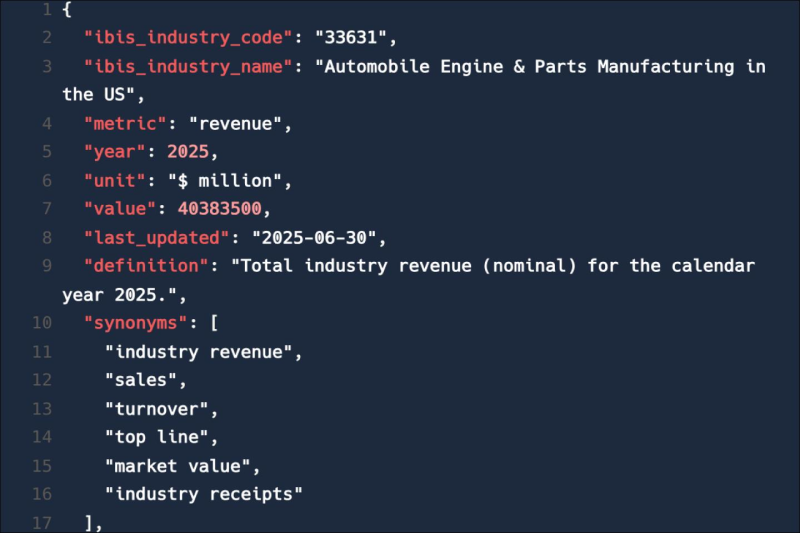
Feed trusted, human-driven industry intelligence straight into your platform.
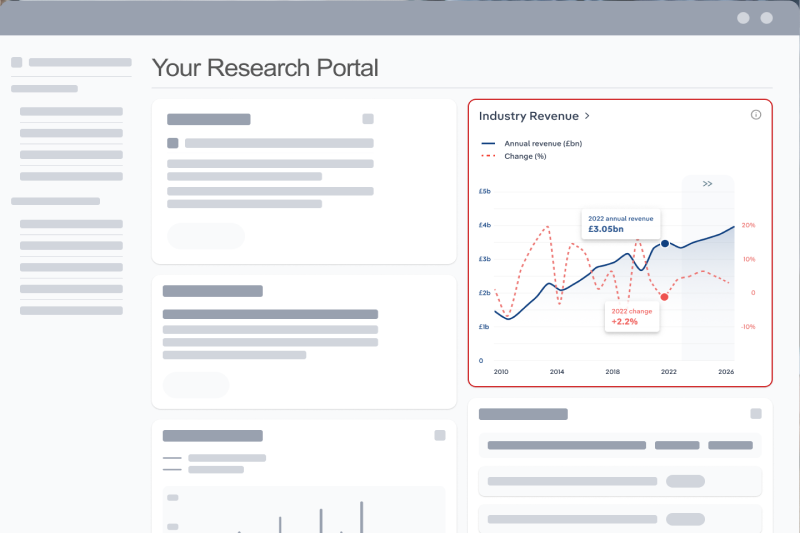
Streamline your workflow with IBISWorld’s intelligence built into your toolkit.
Explore industries with similar markets, supply chains, and economic drivers to gain broader context and insights.
When the stakes are high, you need intelligence that cuts through the noise—wherever you work.
The percentage of business conducted online in the US in 2025 was 27.2%.
The percentage of business conducted online in the US grew by 1.24% in 2025.
IBISWorld’s data and analysis on percentage of business conducted online in the US includes forecasted growth rates over the next five years.