
IBISWorld Platform
Answer any industry question in minutes with our entire database at your fingertips.

In 2026, the personal savings rate in the United States is forecast to decrease, falling -0.8 percentage points to reach an estimated 4.8%. Persistent inflation eroding real purchasing power, elevated housing costs and rising consumer debt burdens have squeezed disposable income. Meanwhile, the large stock of pandemic-era excess savings accumulated through stimulus transfers has been largely exhausted. Leaving the personal savings rate well below its cyclical peak seen in 2020.Between 2021 and 2026, the personal savings rate exhibited considerable volatility, reflecting the extraordinary conditions caused by the COVID-19 pandemic and subsequent macroeconomic developments. In 2020 and 2021, a combination of government stimulus payments and restrictions on in-person activities drove a surge in personal savings, as the average consumer had more disposable income and fewer options for spending it. As a result, the personal savings rate averaged 15.1% in 2020, the highest in modern record, and remained relatively high at 10.9% in 2021. As the economy fully reopened in 2022 and pandemic support from the federal government receded, the personal savings rate deteriorated sharply, declining to 3.4% due to rapidly increasing inflation that significantly increased the cost of living. Tight monetary policy by the Federal Reserve, which began aggressive interest rate hikes to combat inflation in 2022 and 2023, further weighed on household budgets by increasing borrowing costs, though this did little to support savings as inflation eroded real incomes. The savings rate hovered below 6.0% in 2023 and slid further in 2024, while high prices for essential goods and services constrained household ability to save. The primary macroeconomic drivers during this period include shifting monetary policy, household responses to inflation, and evolving consumer confidence influenced by labor market strength.A secondary trend over this period has been changes in household access to credit and consumer psychology. Greater access to credit, including historically low rates in the prior decade, led to a decline in the urgency for households to maintain high savings, though this effect was partially reversed during the brief credit tightening that occurred in the pandemic aftermath. Additionally, persistently high inflation from 2022 to 2024 reduced the capacity and incentive for precautionary savings, despite rising wages, as real disposable incomes failed to keep pace with costs. These factors, combined with the unwinding of government pandemic-related fiscal policies, resulted in overall savings rates stabilizing at levels notably lower than those during the pandemic-induced spike.Over the entirety of 2020 to 2025, the moderation from pandemic-era highs and the downward adjustment during the post-pandemic economic normalization have resulted in a personal savings rate that is now closer to its pre-pandemic trajectory. Macroeconomic headwinds such as declining government stimulus, elevated inflation, and periods of high interest rates have constrained growth in the savings rate, which remains below historical norms as consumers prioritize immediate consumption and contend with rising expenses.
Curious about what drives these trends? IBISWorld's analyst coverage on the personal savings rate includes detailled analysis on the current performance, outlook and industries affected.
1980-2032
The personal savings rate is calculated as the percentage of personal discretionary income (gross income, fewer taxes and normal living expenses) saved during a given period. Data is sourced from the St. Louis Federal Reserve.
IBISWorld Industry Reports are available in multiple formats to fit seamlessly into your workflow.
Answer any industry question in minutes with our entire database at your fingertips.
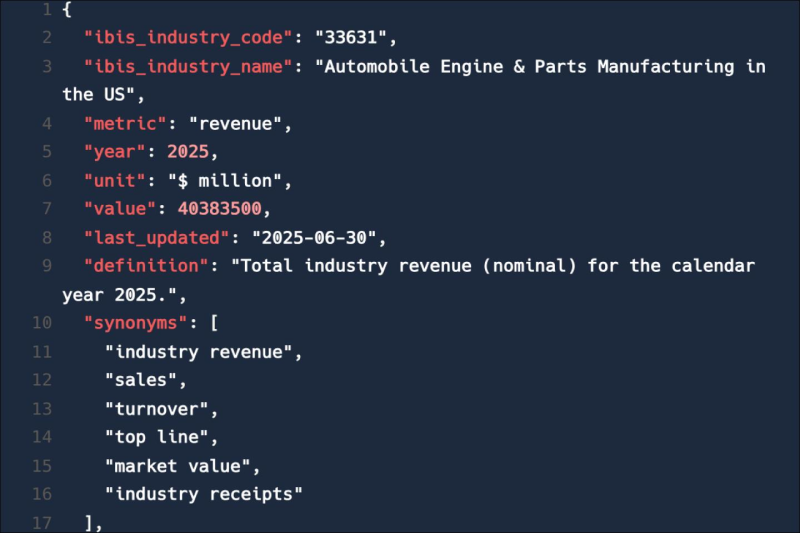
Feed trusted, human-driven industry intelligence straight into your platform.
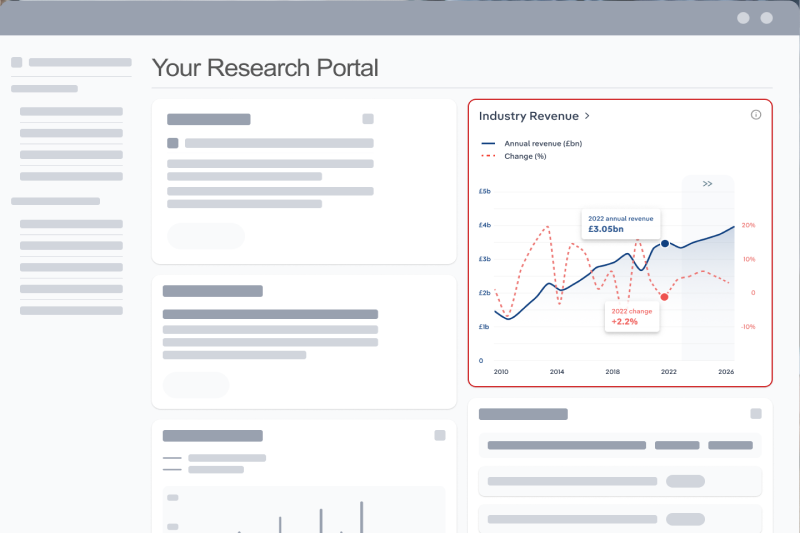
Streamline your workflow with IBISWorld’s intelligence built into your toolkit.
Explore industries with similar markets, supply chains, and economic drivers to gain broader context and insights.
| Industry | Country | Last 5-yr CAGR | Forecast 5-year CAGR | Revenue |
|---|---|---|---|---|
| Check Cashing & Payday Loan Services in the US |
|
XX% | XX% | $XX |
| Credit Repair Services in the US |
|
XX% | XX% | $XX |
| Custody, Asset & Securities Services in the US |
|
XX% | XX% | $XX |
| Online Stock Brokerages in the US |
|
XX% | XX% | $XX |
| Open-End Investment Funds in the US |
|
XX% | XX% | $XX |
| Private Banking Services in the US |
|
XX% | XX% | $XX |
| Stock & Commodity Exchanges in the US |
|
XX% | XX% | $XX |
| Elderly & Disabled Services in the US |
|
XX% | XX% | $XX |
| International Airlines in the US |
|
XX% | XX% | $XX |
| Portfolio Management & Investment Advice in the US |
|
XX% | XX% | $XX |
When the stakes are high, you need intelligence that cuts through the noise—wherever you work.
The personal savings rate in the US in 2026 was 4.33%.
The personal savings rate in the US declined by -17.48% in 2026.
IBISWorld’s data and analysis on personal savings rate in the US includes forecasted growth rates over the next five years.