
IBISWorld Platform
Answer any industry question in minutes with our entire database at your fingertips.

The index is projected to edge up to about 179.77 in 2026, marginally above its 2023 peak of 178.90, underscoring how the intense price escalation phase of 2021-2022 has given way to a plateau. Easing supply bottlenecks in semiconductors and components have allowed production and dealer inventories to rebuild, removing some of the extreme pricing power manufacturers and dealers enjoyed when lots were empty. At the same time, producers are still passing through higher structural costs for labor, materials and embedded technology, which keeps the index near record levels even as month-to-month increases moderate.Over the past five years, new car prices have shifted from a steady pre-pandemic trend to a step-change higher level driven by acute supply shocks and strong demand. Pandemic-related plant shutdowns, logistics disruptions and, most critically, a global semiconductor shortage slashed vehicle output and drove new-vehicle prices to jump 16.9% in 2021 and 2022 as incentives disappeared and dealers sold limited stock at or above sticker.At the same time, broad inflation pushed up input costs for steel, aluminum and other key components, while tight labor markets raised wages across auto manufacturing and parts suppliers, embedding higher production costs into wholesale prices. The accelerating rollout of advanced driver-assistance systems, infotainment and connectivity, plus the growing mix of electric and hybrid models, further lifted average vehicle content and supported higher transaction values.By 2024-2025, chip and parts availability improved and production rebounded, but with inventories still below historic norms and manufacturers favoring high-margin trucks and SUVs, the index settled into a higher plateau rather than retreating toward pre-2020 levels.
Curious about what drives these trends? IBISWorld's analyst coverage on the price of new cars includes detailled analysis on the current performance, outlook and industries affected.
1980-2032
The Price of New Cars represents the Producer Price Index (PPI) for new passenger vehicles in the United States, with a base year of 1984 = 100. This index measures the average change over time in the selling prices received by domestic producers for new automobiles, reflecting wholesale price movements before reaching consumers. Data is sourced from the US Bureau of Labor Statistics.
IBISWorld Industry Reports are available in multiple formats to fit seamlessly into your workflow.

Answer any industry question in minutes with our entire database at your fingertips.
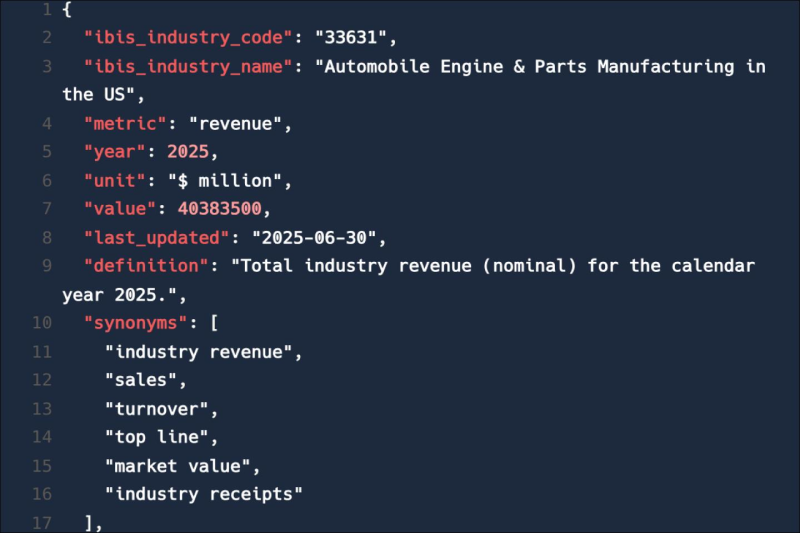
Feed trusted, human-driven industry intelligence straight into your platform.
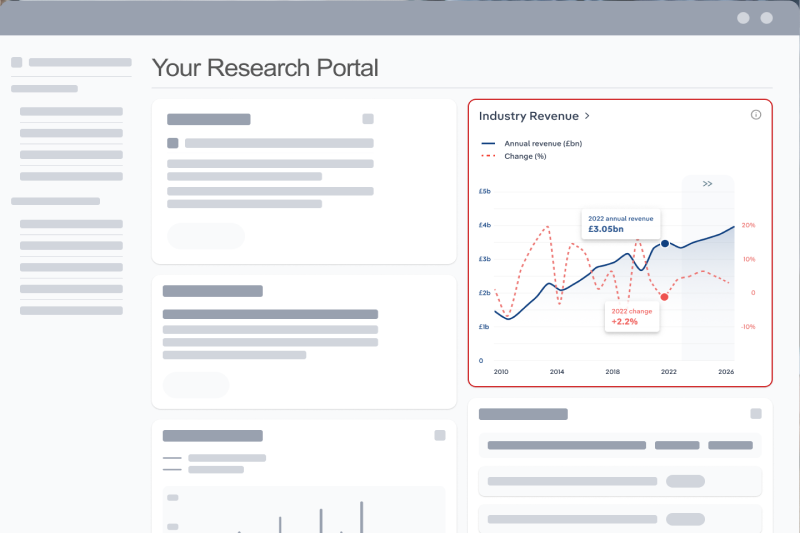
Streamline your workflow with IBISWorld’s intelligence built into your toolkit.
Explore industries with similar markets, supply chains, and economic drivers to gain broader context and insights.
| Industry | Country | Last 5-yr CAGR | Forecast 5-year CAGR | Revenue |
|---|---|---|---|---|
| Used Car Dealers in the US |
|
XX% | XX% | $XX |
| Classic Car Dealers in the US |
|
XX% | XX% | $XX |
| Motorcycle Dealership and Repair in the US |
|
XX% | XX% | $XX |
| Auto Parts Manufacturing in the US |
|
XX% | XX% | $XX |
| Auto Parts Stores in the US |
|
XX% | XX% | $XX |
| Tire Dealers in the US |
|
XX% | XX% | $XX |
| Metalworking Machinery Manufacturing in the US |
|
XX% | XX% | $XX |
| Auto Leasing, Loans & Sales Financing in the US |
|
XX% | XX% | $XX |
| Bicycle Manufacturing in the US |
|
XX% | XX% | $XX |
| Motorcycle, Bicycle & Parts Manufacturing in the US |
|
XX% | XX% | $XX |
When the stakes are high, you need intelligence that cuts through the noise—wherever you work.
The price of new cars in the US in 2026 was 179.77 index points.
The price of new cars in the US grew by 2.85% in 2026.
IBISWorld’s data and analysis on price of new cars in the US includes forecasted growth rates over the next five years.