
IBISWorld Platform
Answer any industry question in minutes with our entire database at your fingertips.

The US print advertising expenditure is estimated at $8.0 billion in 2026, reflecting a continued steep decline as consumer media habits shift toward digital channels. Print advertising's contraction is intensified by ongoing digital adoption, diminished print readership and persistent economic constraints including inflation and tight business budgets. In 2026, advertisers have further reduced investment in magazines and newspapers, responding to weaker consumer demand and a sustained preference for targeted digital formats. As digital platforms absorb a greater share of advertising budgets, spend in traditional print channels is projected to shrink by an additional 15.6%, reaffirming print's evaporating relevance within the broader media landscape.Between 2021 and 2026, the print advertising market has experienced an accelerated annualized decline of 13.4%. Print advertising expenditures failed to recover from a massive drop amid the pandemic just prior to the current period as advertisers increasingly prioritized digital media offering efficient targeting and measurable returns. The persistent migration of audiences to smartphones, streaming media and online platforms entrenched digital's dominance, further weakening print's appeal for business and consumer advertisers. Elevated inflation suppressed corporate and household budgets, compounding reductions in discretionary spending that disproportionately affected legacy print channels. High interest rates in 2023 and 2024 contributed to cautious investment and limited expansion in traditional advertising, while continued declines in newspaper and magazine circulation further shrank the print advertising inventory available. Only niche print publications, focused on specialized content or older demographics, have maintained minimal resilience.Over the past five years, structural changes in consumer media consumption and accelerated adoption of digital platforms have functioned as the primary macro trends shaping the print advertising market. Businesses and advertisers are increasingly driven by data-centric strategies and targeted reach, directing spend toward digital platforms that provide better engagement and analytics. At the same time, declining print readership, rising input costs and subscription erosion have fundamentally compromised the scale and viability of print advertising in the US, marking the period as one of rapid structural decline and persistent contraction.
Curious about what drives these trends? IBISWorld's analyst coverage on the print advertising expenditure includes detailled analysis on the current performance, outlook and industries affected.
1996-2032
The US total print advertising expenditure represents advertising in magazines and newspapers include Sunday magazines, business publications, local magazines, national newspapers and local newspapers. Figures are sourced from Advertising Age.
IBISWorld Industry Reports are available in multiple formats to fit seamlessly into your workflow.

Answer any industry question in minutes with our entire database at your fingertips.
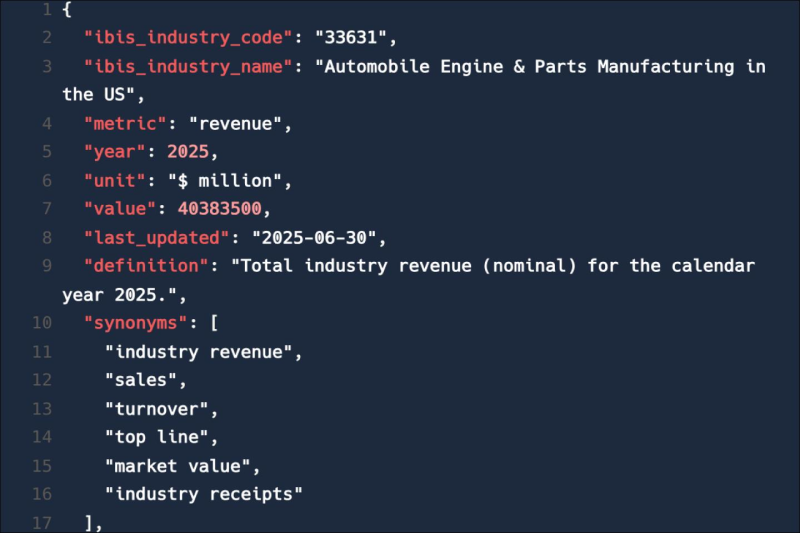
Feed trusted, human-driven industry intelligence straight into your platform.
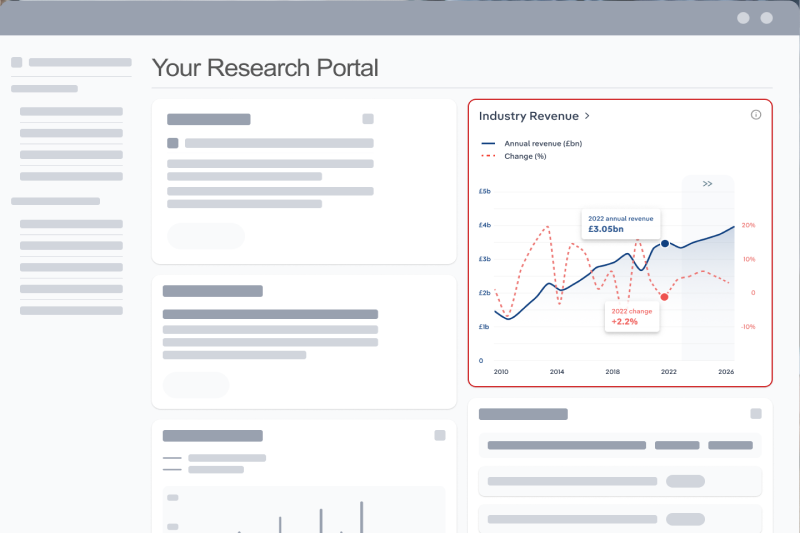
Streamline your workflow with IBISWorld’s intelligence built into your toolkit.
Explore industries with similar markets, supply chains, and economic drivers to gain broader context and insights.
When the stakes are high, you need intelligence that cuts through the noise—wherever you work.
The print advertising expenditure in the US in 2026 was $8.01 billion.
The print advertising expenditure in the US declined by -13.45% in 2026.
IBISWorld’s data and analysis on print advertising expenditure in the US includes forecasted growth rates over the next five years.