
IBISWorld Platform
Answer any industry question in minutes with our entire database at your fingertips.

Private investment in manufacturing structures is projected to reach $143.8 billion in 2026, a 4.5% increase from the prior year. The upswing is being driven by vigorous factory construction in high-priority sectors such as semiconductors and data centers, which are expanding to support energy-intensive digital services and align with shifting industrial policy goals. Automotive manufacturers are also adding capacity, contributing further to the rise in plant construction. Overall momentum reflects strong demand for critical components and a policy push to deepen and localize supply chains. These trends are unfolding despite headwinds from elevated interest rates, as firms continue to prioritize resilience, onshoring and technological upgrading. Beginning in 2026, industries will also start to benefit meaningfully from tax incentives under the OBBBA, including bonus depreciation and the advanced manufacturing credit for semiconductor facilities placed in service after December 2025. These incentives are expected to strengthen the business case for large capital projects across manufacturing, encouraging additional commitments and supporting a higher level of investment throughout the year.From 2021 to 2026, investment in manufacturing facilities expanded at an estimated CAGR of 16.2%. The period began with subdued growth in 2021, up by 3.2% as the sector continued recovering from the pandemic's impact, followed by a significant rebound in 2022 with growth of 24.2%. Unprecedented supply chain disruptions during the pandemic highlighted vulnerabilities in foreign-sourced inputs, leading to an accelerated push for domestic resiliency and reshoring. The introduction of major policy interventions, including the CHIPS Act and the Inflation Reduction Act, offered substantial incentives, such as tax breaks and subsidies, spurring private sector participation in new construction. During 2023, sector investment surged by 45.0%, reflecting a convergence of legislative impacts, heightened demand for advanced manufacturing, and further modernization efforts. Momentum persisted in 2024 as annual growth registered a 20.4% rise, maintaining an elevated investment environment.Additional macroeconomic trends include continuing advancements in manufacturing technologies, such as the integration of robotics and artificial intelligence, which are vital in reducing operational costs and increasing output efficiency. Labor shortages and rising material costs have posed constraints, yet these challenges have reinforced the move toward greater automation and technological adoption, which are central to modern manufacturing strategy. Collectively, these factors have contributed to a renewed emphasis on domestic capacity and operational longevity in the manufacturing sector.Over the five years to 2026, legislative support, technological evolution, and global supply chain realignment have underpinned a strong expansion in private investment in manufacturing structures. As companies adapt to new market realities and future-proof their operations, this period has marked a substantial and sustained commitment to upgrading and expanding the nation's industrial base.
Curious about what drives these trends? IBISWorld's analyst coverage on the private investment in manufacturing structures includes detailled analysis on the current performance, outlook and industries affected.
1980-2032
Private investment in manufacturing structures represents the total annual expenditure by businesses on structures related to manufacturing in the United States. Data is inflation-adjusted with 2017 as the base year and is sourced from the US Bureau of Economic Analysis.
IBISWorld Industry Reports are available in multiple formats to fit seamlessly into your workflow.

Answer any industry question in minutes with our entire database at your fingertips.
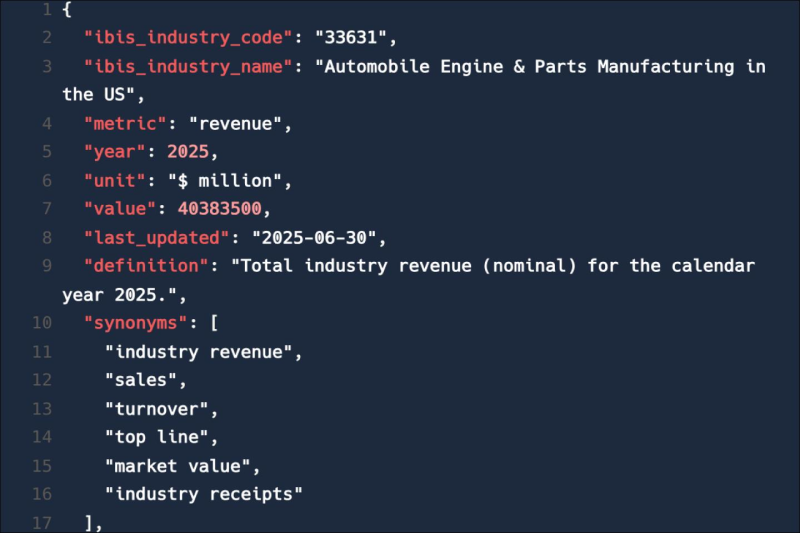
Feed trusted, human-driven industry intelligence straight into your platform.
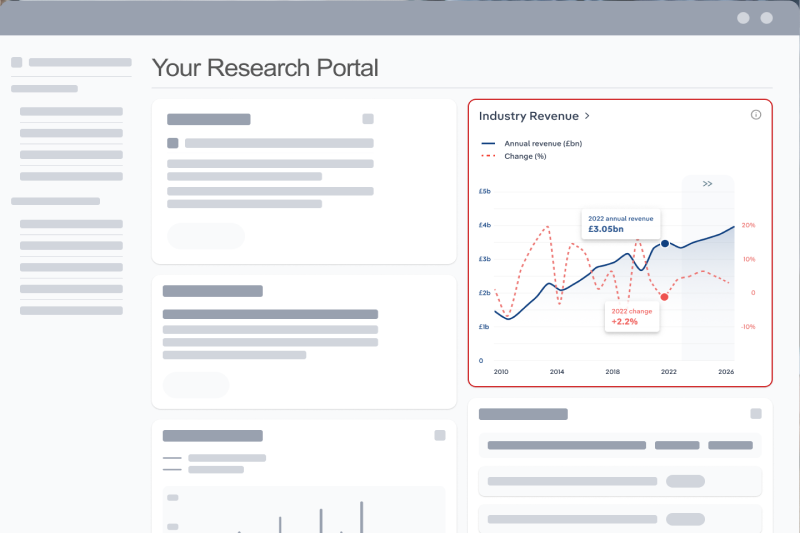
Streamline your workflow with IBISWorld’s intelligence built into your toolkit.
Explore industries with similar markets, supply chains, and economic drivers to gain broader context and insights.
| Industry | Country | Last 5-yr CAGR | Forecast 5-year CAGR | Revenue |
|---|---|---|---|---|
| Alarm, Signal & Traffic Control Equipment Manufacturing in the US |
|
XX% | XX% | $XX |
| Elevator Installation & Service in the US |
|
XX% | XX% | $XX |
| Elevator Manufacturing in the US |
|
XX% | XX% | $XX |
| Dumpster Rental in the US |
|
XX% | XX% | $XX |
| Industrial Building Construction in the US |
|
XX% | XX% | $XX |
| Monument Makers in the US |
|
XX% | XX% | $XX |
| Industrial Equipment Rental & Leasing in the US |
|
XX% | XX% | $XX |
| Plastic Pipe & Parts Manufacturing in the US |
|
XX% | XX% | $XX |
| Chemical Wholesaling in the US |
|
XX% | XX% | $XX |
| Commercial Construction Insurance in the US |
|
XX% | XX% | $XX |
| Pressure Sensor Manufacturing in the US |
|
XX% | XX% | $XX |
| Electricians in the US |
|
XX% | XX% | $XX |
| Supply Chain Management Services in the US |
|
XX% | XX% | $XX |
When the stakes are high, you need intelligence that cuts through the noise—wherever you work.
The private investment in manufacturing structures in the US in 2026 was 143.85 billion.
The private investment in manufacturing structures in the US grew by 16.18% in 2026.
IBISWorld’s data and analysis on private investment in manufacturing structures in the US includes forecasted growth rates over the next five years.