
IBISWorld Platform
Answer any industry question in minutes with our entire database at your fingertips.

In 2026, the price of fruit index is set to rise by an estimated 2.4%, reaching 174.1 index points and reaccelerating after a period of stagnation. Higher fuel and shipping expenses, escalating input and farm labor costs, new tariffs on imported produce and localized weather-related supply issues are all feeding into farm-gate prices for fresh fruit and melons. The war with Iran has driven up global oil prices, lifting trucking and refrigerated freight costs, which disproportionately affect fruit that depends on long, temperature-controlled supply chains, including berries, tropical fruit and other imports. Tight seasonal farm labor markets are pushing up harvesting and packing costs that are expected to become more visible as the 2026 growing season advances. Weather and water-cost issues in some growing regions are compounding these pressures for stone fruit and certain specialty crops, creating cost-plus-weather squeezes that continue to filter through to retail prices.Newly implemented and expanded Trump-era tariffs on fruit and produce from Central and South America are adding further price pressure, particularly on those imported berries and other specialty categories. These immediately raise the landed cost of tariff-exposed imports from major suppliers such as Peru and Guatemala. At the same time, increased imports from Mexico and Canada, which remain exempt, are helping to stabilize supply and prevent more severe price hikes. Still, they do not fully offset the inflationary impact of higher duties on the rest of the import basket. Over the five years through 2026, the price of fruit index has climbed at an estimated 3.5% CAGR, reflecting an unusual convergence of pandemic-era disruptions, geopolitical shocks and evolving trade policy. The pandemic initially caused acute supply chain disruptions and product shortages just as consumer demand for fresh produce surged, driven by heightened health awareness and changing at-home consumption habits, which accelerated price growth from 2021 onward. In 2022, the index jumped by 18.1%, as strong demand collided with global logistics bottlenecks, the conflict in Ukraine and a run of natural disasters that constrained production and transport capacity. These macroeconomic and geopolitical forces embedded higher costs for fertilizer, energy and freight across the supply chain, creating persistent volatility and pushing fruit prices sharply higher before some pressures eased and price momentum weakened in subsequent years.The resilience of the USMCA framework has partially cushioned the market by keeping North American trade flows relatively stable, even as tariffs on other partners intensified upward price pressure. At the same time, enduring shifts in consumer preferences toward healthier eating since the pandemic have sustained elevated demand for fresh fruit, influencing both prices and sourcing strategies. Overall, the price of fruit has shown moderate volatility relative to more energy-sensitive farm products over 2021–2026, with movements driven more by supply disruptions, household income shifts, adverse weather and evolving US trade policy than by direct fuel price linkages.
Curious about what drives these trends? IBISWorld's analyst coverage on the producer price index: fruit includes detailled analysis on the current performance, outlook and industries affected.
1980-2032
The price of fruit represents the prices received by farmers for their fresh fruit and melons. The annual figures presented in this report are equally weighted averages of the monthly means. Data is from the Bureau of Labor Statistics, with forecast growth rates sourced from the US Department of Agriculture (USDA).
IBISWorld Industry Reports are available in multiple formats to fit seamlessly into your workflow.

Answer any industry question in minutes with our entire database at your fingertips.
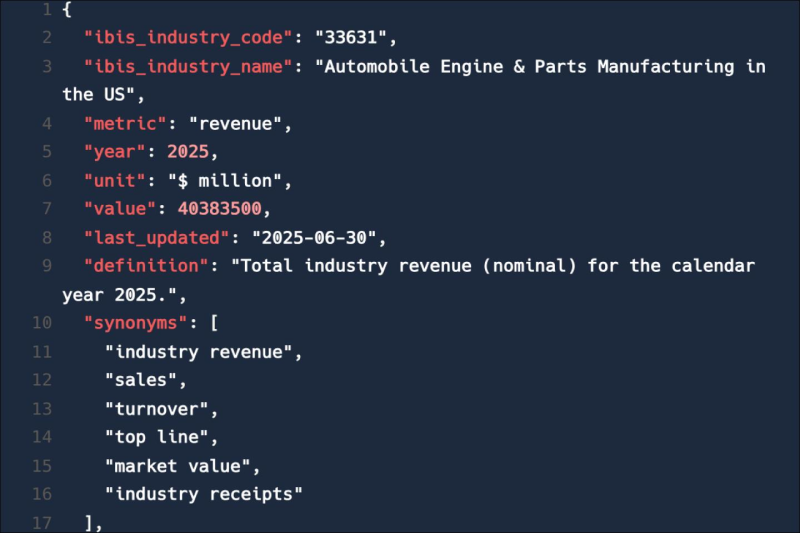
Feed trusted, human-driven industry intelligence straight into your platform.
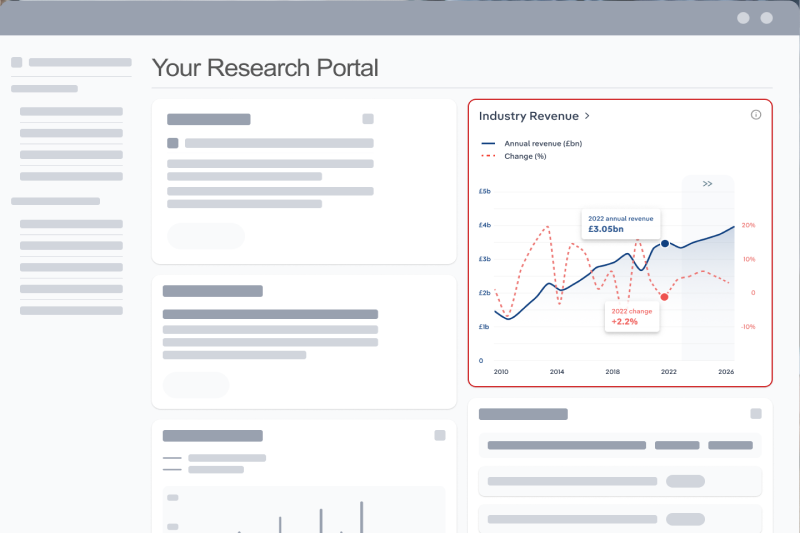
Streamline your workflow with IBISWorld’s intelligence built into your toolkit.
Explore industries with similar markets, supply chains, and economic drivers to gain broader context and insights.
| Industry | Country | Last 5-yr CAGR | Forecast 5-year CAGR | Revenue |
|---|---|---|---|---|
| Fruit & Nut Farming in the US |
|
XX% | XX% | $XX |
| Frozen Fruit & Juice Manufacturing in the US |
|
XX% | XX% | $XX |
| Canned Fruit & Vegetable Processing in the US |
|
XX% | XX% | $XX |
| Farmers Markets in the US |
|
XX% | XX% | $XX |
| Fruit & Vegetable Wholesaling in the US |
|
XX% | XX% | $XX |
| Juice & Smoothie Bars in the US |
|
XX% | XX% | $XX |
| Wineries in the US |
|
XX% | XX% | $XX |
| Dried Fruit & Vegetable Snack Production in the US |
|
XX% | XX% | $XX |
| Fruit & Vegetable Markets in the US |
|
XX% | XX% | $XX |
When the stakes are high, you need intelligence that cuts through the noise—wherever you work.
The producer price index for fruit in the US in 2026 was 174.14 index points.
The producer price index for fruit in the US grew by 3.52% in 2026.
IBISWorld’s data and analysis on producer price index for fruit in the US includes forecasted growth rates over the next five years.