
IBISWorld Platform
Answer any industry question in minutes with our entire database at your fingertips.

The prices of household appliances have been shaped by several distinct macroeconomic forces between 2020 and 2026. Inflation escalated as global supply chains continued to adjust post-pandemic in 2022, with manufacturers taking on higher input costs, especially for steel and energy, which drove appliance prices up by 11.7%. This historically high price hike reflected a combination of robust consumer demand and significant cost pressures. Although inflation persisted in 2023, higher interest rates implemented to curb inflation depressed housing starts. This policy response moderated price increases to 3.2% as consumers faced higher borrowing costs. Demand for appliances slowed further in 2024 with homebuying activity retreating due to continued high mortgage rates, resulting in a marginal year over year price increase of 0.1%.President Trump's protectionist trade policy led to a massive increase in the US's effective tariff rate in 2025, spurring stronger growth in the price of household appliances as businesses passed heightened steel, aluminum and electronic component acquisition costs downstream. Household appliance manufacturing in the US is largely controlled by a handful of companies, so companies were able to collectively raise prices with minimal pressure from smaller competing firms. Household appliance prices are forecast to continue swelling in 2026, rising by 1.6% to 154.09 index points. This marks a slow continued ascent from the stronger price increases seen earlier in the current period as input costs remain high even as sluggish residential construction places some strain on demand.Appliance prices ultimately rose at an average annualized rate of 3.5% from 2021 to 2026. This moderate growth balance was supported early on by a release of pent-up demand and by ongoing input cost fluctuations resulting from pandemic-era disruptions. However, sustained inflation, restrictive monetary policy and subdued housing market activity have increasingly limited price growth in more recent years. The essential nature of household appliances has mitigated sharper declines, but the interplay between monetary policy, input costs and consumer spending has proven decisive in the overall price direction for the sector.
Curious about what drives these trends? IBISWorld's analyst coverage on the producer price index: household appliances includes detailled analysis on the current performance, outlook and industries affected.
1980-2032
The price of household appliances is represented by the producer price index for household appliances from the Bureau of Labor Statistics. This index tracks changes in the prices that domestic appliance manufacturers receive for their products. The index has a base year of 1982.
IBISWorld Industry Reports are available in multiple formats to fit seamlessly into your workflow.

Answer any industry question in minutes with our entire database at your fingertips.
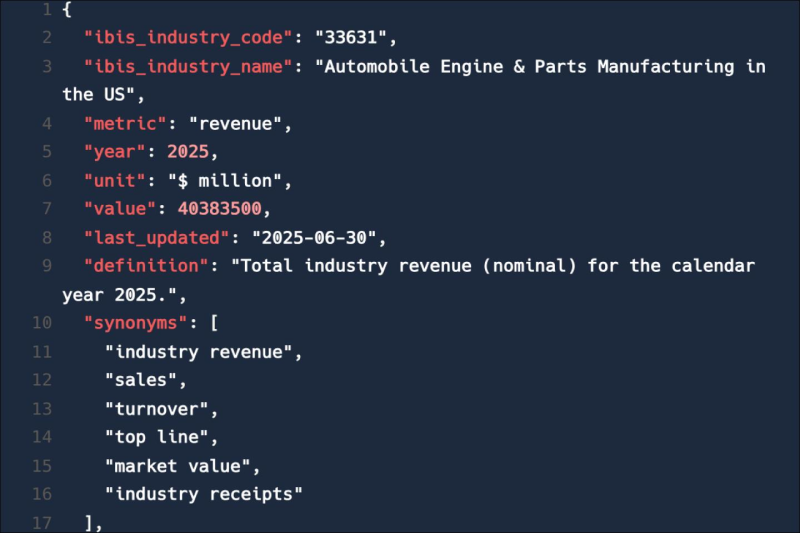
Feed trusted, human-driven industry intelligence straight into your platform.
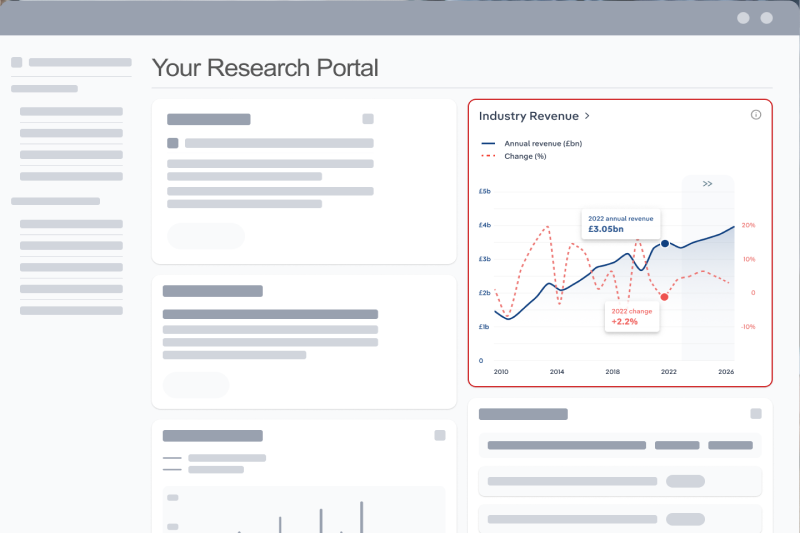
Streamline your workflow with IBISWorld’s intelligence built into your toolkit.
Explore industries with similar markets, supply chains, and economic drivers to gain broader context and insights.
| Industry | Country | Last 5-yr CAGR | Forecast 5-year CAGR | Revenue |
|---|---|---|---|---|
| Appliance Repair in the US |
|
XX% | XX% | $XX |
| Water Heater Manufacturing in the US |
|
XX% | XX% | $XX |
| Barbecue & Grill Manufacturing in the US |
|
XX% | XX% | $XX |
| Consumer Electronics Stores in the US |
|
XX% | XX% | $XX |
| BBQ & Outdoor Cooking Stores in the US |
|
XX% | XX% | $XX |
| Consumer Electronics & Appliances Rental in the US |
|
XX% | XX% | $XX |
| Major Household Appliance Manufacturing in the US |
|
XX% | XX% | $XX |
When the stakes are high, you need intelligence that cuts through the noise—wherever you work.
The producer price index for household appliances in the US in 2026 was 154.09 index points.
The producer price index for household appliances in the US grew by 3.5% in 2026.
IBISWorld’s data and analysis on producer price index for household appliances in the US includes forecasted growth rates over the next five years.