
IBISWorld Platform
Answer any industry question in minutes with our entire database at your fingertips.

Nonferrous metal prices are forecast to rise 4.5% in 2026, reaching a record high as tariffs introduced in the prior year keep input costs elevated, particularly for aluminum. US tariffs on metal imports remain a key constraint on price relief, with aluminum facing notable cost pressure under these measures. The outlook is further clouded by deteriorating trade relations: in late 2025, the United States ended trade talks with Canada after officials objected to a Canadian television advertisement criticizing US tariff policy, straining ties with a major aluminum supplier. At the same time, strong demand from large capital projects, including data centers that rely heavily on metal-intensive equipment and components, is expected to drive additional import needs and sustain upward pressure on nonferrous metal prices over the coming years.The price of nonferrous metals experienced substantial volatility between 2021 and 2026, reflecting shifts in global demand, energy costs, trade policy, and international events. A significant price surge occurred in 2021, when the index rose by 24.4%, driven by pent-up demand following the pandemic recession. Industrial consumption rebounded as COVID-19 restrictions lifted and economies reopened, straining global production capacity and elevating prices. Energy prices experienced high volatility in 2022, driven in part by the Russia-Ukraine conflict, which supported a further price increase of 7.3%. The Biden Administration's removal of some metal tariffs that year offered only partial relief as supply chain disruptions persisted.Nonferrous metal prices declined by 4.2% in 2023 as public investments in infrastructure and advanced manufacturing, from legislation such as the Infrastructure Investment and Jobs Act and the CHIPS and Science Act, improved domestic supply conditions and energy inputs, fostering slight cost reductions. However, any downward pressure on prices was reversed in 2024 following newly implemented tariffs on Chinese minerals and heightened geopolitical instability in Burma, an important rare earth source, culminating in a 4.3% price increase. Throughout the period, nonferrous metal prices were further influenced by underlying inflation, persistent supply chain concerns, and evolving energy market conditions, all of which contributed to frequent price swings.The combined effect of global disruptions, policy changes, and demand shifts led to an average annual price growth of 5.3% from 2021 to 2026. Macroeconomic forces, such as shifts in global construction and manufacturing activity, volatile energy prices, and trade policy adjustments, were fundamental to shaping the pricing environment for nonferrous metals. The sector's ongoing integration within international markets ensures domestic prices reflect global supply-demand imbalances and political developments, underscoring the driver's sensitivity to both economic output and geopolitical events.
Curious about what drives these trends? IBISWorld's analyst coverage on the producer price index: nonferrous metals includes detailled analysis on the current performance, outlook and industries affected.
1980-2032
Nonferrous metals are metals that lack iron. Nonferrous metals include precious metals like gold, silver, platinum and palladium and base metals like aluminum, copper, zinc, titanium, lead and molybdenum. The Bureau of Labor Statistics tracks the combined price of nonferrous metals using an index with base of 1982, which is used in this report. Forecasts are sourced from the World Bank.
IBISWorld Industry Reports are available in multiple formats to fit seamlessly into your workflow.

Answer any industry question in minutes with our entire database at your fingertips.
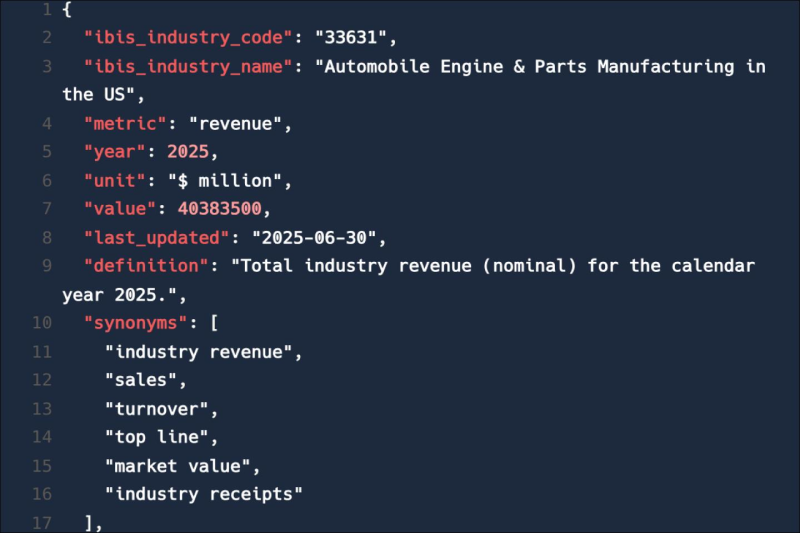
Feed trusted, human-driven industry intelligence straight into your platform.
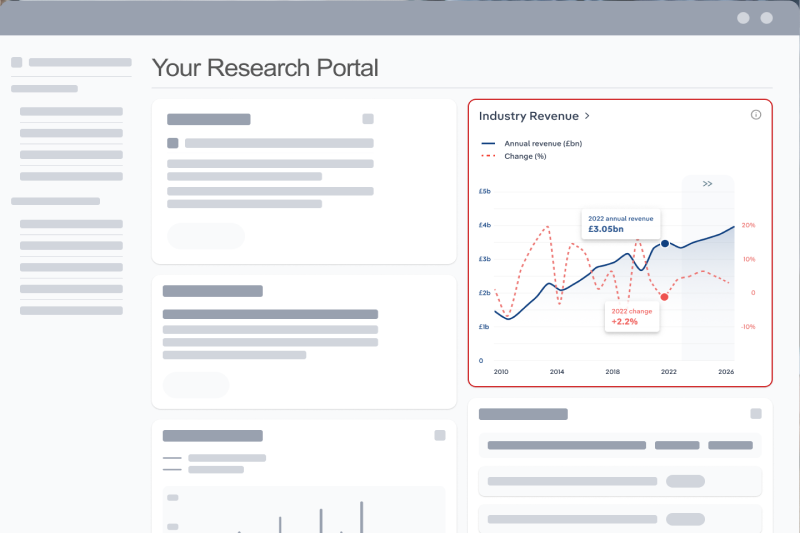
Streamline your workflow with IBISWorld’s intelligence built into your toolkit.
Explore industries with similar markets, supply chains, and economic drivers to gain broader context and insights.
| Industry | Country | Last 5-yr CAGR | Forecast 5-year CAGR | Revenue |
|---|---|---|---|---|
| Nonferrous Metal Recycling in the US |
|
XX% | XX% | $XX |
| Battery Recycling in the US |
|
XX% | XX% | $XX |
| Nonferrous Metal Rolling & Alloying in the US |
|
XX% | XX% | $XX |
| Scrap Metal Recycling in the US |
|
XX% | XX% | $XX |
| Nonferrous Metal Refining in the US |
|
XX% | XX% | $XX |
| Nonferrous Metal Foundry Products Manufacturing in the US |
|
XX% | XX% | $XX |
| Recyclable Material Wholesaling in the US |
|
XX% | XX% | $XX |
| Explosives Manufacturing in the US |
|
XX% | XX% | $XX |
| Metal Stamping & Forging in the US |
|
XX% | XX% | $XX |
| Semiconductor Machinery Manufacturing in the US |
|
XX% | XX% | $XX |
When the stakes are high, you need intelligence that cuts through the noise—wherever you work.
The producer price index for nonferrous metals in the US in 2026 was 414.08 index points.
The producer price index for nonferrous metals in the US grew by 5.32% in 2026.
IBISWorld’s data and analysis on producer price index for nonferrous metals in the US includes forecasted growth rates over the next five years.