
IBISWorld Platform
Answer any industry question in minutes with our entire database at your fingertips.

The price index for seafood dropped to 284.5 in 2026, representing a 1.6% decline from the previous year, extending the correction that followed the post-pandemic spike in processing prices. Greater product availability and lower consumer spending on the good have led processors to lower costs to protect volume. However, prices remain elevated above pre-pandemic levels as general food inflation and US tariffs on imported seafood have kept costs high.From 2021 to 2026, seafood prices have been highly volatile. The price of seafood jumped 11.3% in 2021 as restaurants reopened and at-home consumers continued to choose seafood as a health-conscious, more environmentally friendly option. On top of this, lingering COVID disruptions constrained global harvesting and congested ports, which pushed demand even further ahead of supply. Higher freight costs constrained processing capacity, amplifying price increases. This trend continued into 2022, as inflationary pressures persisted and rising shipping costs for essential inputs such as gas and fertilizer pushed up costs throughout the supply chain.Prices began to contract in 2023, dropping 9.2% as supply chains stabilized and demand cooled. Better product availability reduced cost pressures, while many consumers cut back on higher-priced seafood, which softened sales. While prices showed a slight increase of 2.4% in 2024, they continued to drop by 0.2% in 2025. The price of seafood remains sensitive to shifts in consumer spending and input costs. Over the past five years, the index has grown at an annualized rate of 0.6%, reflecting an elevated normal after cost shocks early in the decade. Macroeconomic trends influencing this period include climate change, which has led to decreased production and increased harvesting costs of many underwater species. Beyond that, seafood prices are also subject to changing oil and fuel prices, as commercial boats are often the main way to catch fish. Price differentials among certain types of fish will also continue. Fish farmed through aquaculture is cheaper than fresh seafood and consumers will rely on these products as prices remain elevated.
Curious about what drives these trends? IBISWorld's analyst coverage on the producer price index: seafood includes detailled analysis on the current performance, outlook and industries affected.
1980-2032
The price of seafood represents an index of the prices received by fresh and frozen seafood processors for their output. Seafood represents both fish and shellfish. Canned seafood is not included. Data is presented as an index, sourced from the Bureau of Labor Statistics and forecast with data from the Organization for Economic Co-operation and Development (OECD).
IBISWorld Industry Reports are available in multiple formats to fit seamlessly into your workflow.

Answer any industry question in minutes with our entire database at your fingertips.
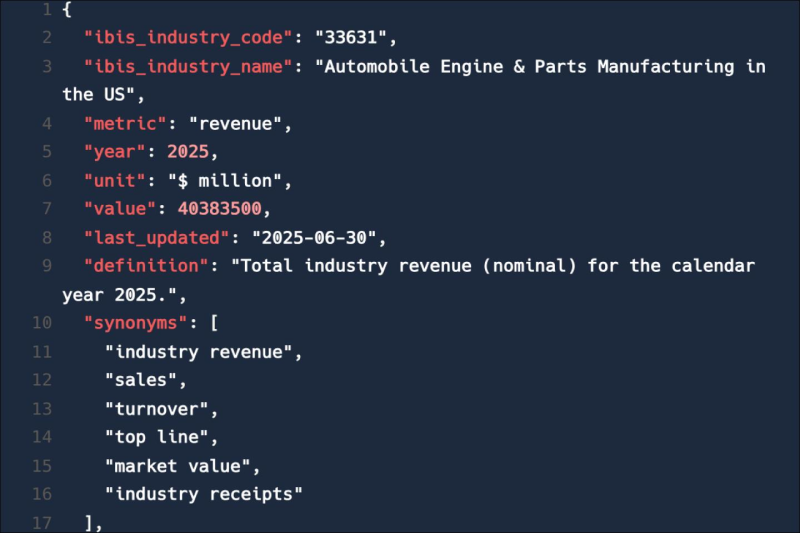
Feed trusted, human-driven industry intelligence straight into your platform.
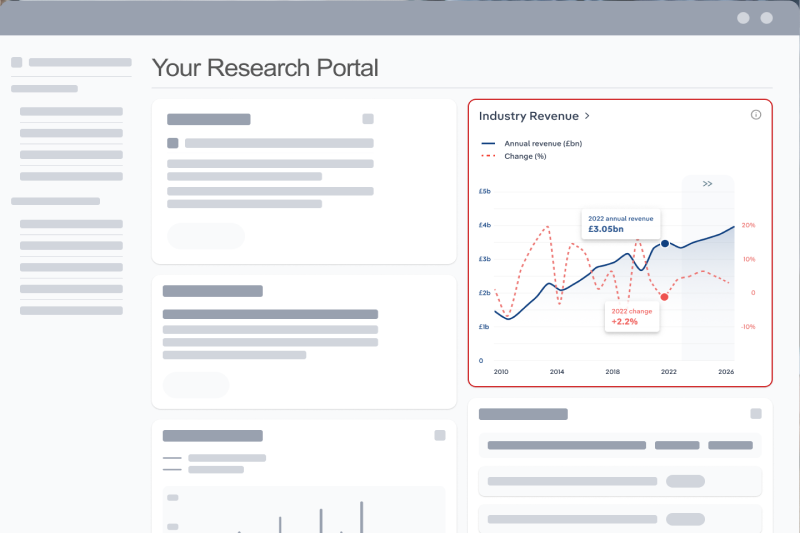
Streamline your workflow with IBISWorld’s intelligence built into your toolkit.
Explore industries with similar markets, supply chains, and economic drivers to gain broader context and insights.
| Industry | Country | Last 5-yr CAGR | Forecast 5-year CAGR | Revenue |
|---|---|---|---|---|
| Fish & Seafood Markets in the US |
|
XX% | XX% | $XX |
| Seafood Preparation in the US |
|
XX% | XX% | $XX |
| Fishing in the US |
|
XX% | XX% | $XX |
| Japanese Restaurants in the US |
|
XX% | XX% | $XX |
| Sushi Restaurants in the US |
|
XX% | XX% | $XX |
| Fish & Seafood Wholesaling in the US |
|
XX% | XX% | $XX |
| Fish & Seafood Aquaculture in the US |
|
XX% | XX% | $XX |
When the stakes are high, you need intelligence that cuts through the noise—wherever you work.
The producer price index for seafood in the US in 2026 was 284.47 index points.
The producer price index for seafood in the US grew by 0.64% in 2026.
IBISWorld’s data and analysis on producer price index for seafood in the US includes forecasted growth rates over the next five years.