
IBISWorld Platform
Answer any industry question in minutes with our entire database at your fingertips.

Shoe prices are anticipated to rise by 2.3% to reach an estimated index value of 167.2 in 2026. The primary drivers of higher prices in the year include increasing manufacturing costs to satisfy renewed consumer demand, as well as higher imposed tariffs imports implemented by the Trump Administration. US reliance on imported footwear rather than domestic manufacturing has magnified the effect of these tariffs, further pressuring prices. Ongoing inflationary pressures and persistent cost increases in the manufacturing sector remain significant factors influencing the price of footwear in the current year.During the 2021 to 2026 period, the prices experienced notable volatility driven by both shifting consumer demand and fluctuations in input costs. In 2021, as economic conditions improved and travel restrictions were gradually lifted, footwear demand rebounded. This was supported by elevated per capita disposable income, although input price pressures from rubber and leather led to a 2.6% price increase. The trend accelerated in 2022, when footwear prices rose a record 8.0%, predominantly driven by global inflationary shocks and heightened production costs due to the war in Ukraine and upstream supply chain disruptions. Consumers renewed spending on footwear as pandemic restrictions waned, reinforcing price growth. Prices climbed in 2023 by 4.9% as consumer activity strengthened and inflation persisted, sustaining demand despite rising costs. The footwear market further felt cost pressures in 2024, resulting in a price increase of 1.8% amid continued manufacturing sector challenges. The resurgence of inflation, supply chain bottlenecks, and rising costs of raw materials have all contributed to upward price pressure throughout the period.Macroeconomic factors such as disposable income and global trade policy have had a significant impact on the footwear price index. Price increases were accentuated by the imposition of tariffs, changes in consumer spending brought on by the COVID-19 pandemic, and volatility in materials costs. The industry's reliance on imports has left it particularly exposed to global policy shifts and disruptions to international supply chains. As a result, shoe prices rose at an average annual rate of 3.8% between 2021 and 2026, with price growth concentrated in years with the most acute economic disruptions or policy changes, particularly in 2022 and 2025.
Curious about what drives these trends? IBISWorld's analyst coverage on the producer price index: shoes includes detailled analysis on the current performance, outlook and industries affected.
2004-2032
The price of shoes represents the Producer Price Index for Footwear Manufacturing in the United States. The Producer Price Index tracks monthly price changes and annual figures presented in this report are the equally weighted averages of monthly figures. Data is sourced from the Bureau of Labor Statistics and the Federal Reserve Bank of St. Louis and is benchmarked to 2003 prices.
IBISWorld Industry Reports are available in multiple formats to fit seamlessly into your workflow.

Answer any industry question in minutes with our entire database at your fingertips.
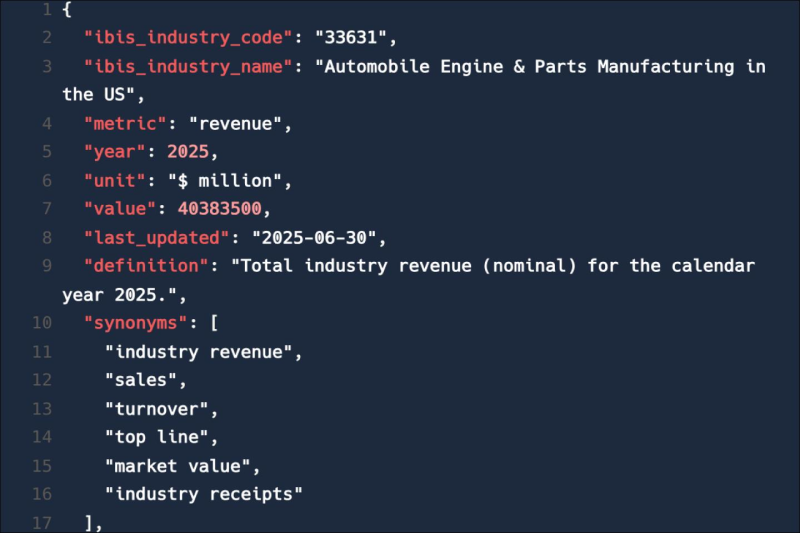
Feed trusted, human-driven industry intelligence straight into your platform.
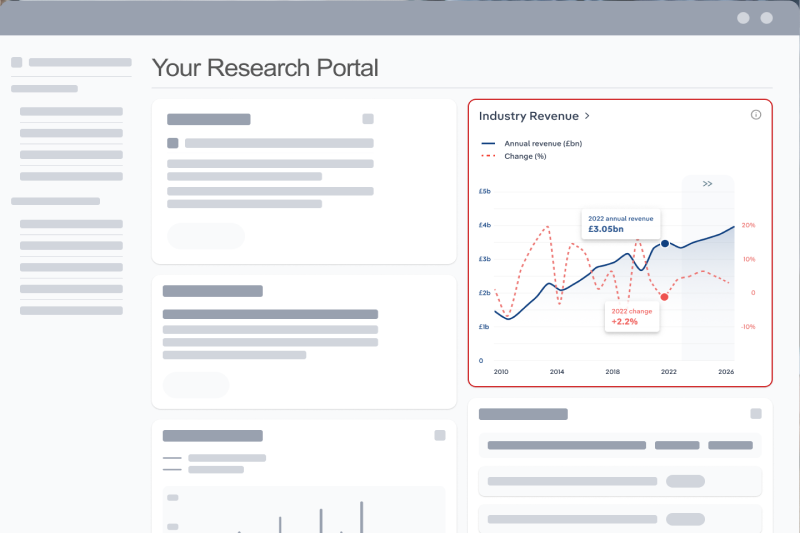
Streamline your workflow with IBISWorld’s intelligence built into your toolkit.
Explore industries with similar markets, supply chains, and economic drivers to gain broader context and insights.
| Industry | Country | Last 5-yr CAGR | Forecast 5-year CAGR | Revenue |
|---|---|---|---|---|
| Online Shoe Sales in the US |
|
XX% | XX% | $XX |
| Shoe Repair in the US |
|
XX% | XX% | $XX |
| Athletic Shoe Stores in the US |
|
XX% | XX% | $XX |
| Shoe Stores in the US |
|
XX% | XX% | $XX |
| Footwear Wholesaling in the US |
|
XX% | XX% | $XX |
When the stakes are high, you need intelligence that cuts through the noise—wherever you work.
The producer price index for shoes in the US in 2026 was 167.16 index points.
The producer price index for shoes in the US grew by 3.76% in 2026.
IBISWorld’s data and analysis on producer price index for shoes in the US includes forecasted growth rates over the next five years.