
IBISWorld Platform
Answer any industry question in minutes with our entire database at your fingertips.

The Producer Price Index of Steel in the US is projected to climb 4.9% in 2026 to reach 311.1, temporarily reversing the broader downtrend from 2021 to 2026. New, elevated tariffs on imported steel, together with strong demand from major infrastructure projects such as large rail and transport projects, tighten effective supply and allow domestic mills to command higher prices. Infrastructure spending tied to programs like the Infrastructure Investment and Jobs Act and the California Railway Initiative channels more construction and equipment demand toward domestically sourced steel, reinforcing near-term price support despite softening conditions in some private construction markets. Steel tariffs aim to foster domestic manufacturing by making foreign steel less competitive in the US market, leading to a short-term surge in domestic steel prices. Meanwhile, ongoing trade negotiations, including a significant non-binding agreement with the UK that reduced tariffs from 50.0% to 25.0% in early 2025, provided avenues for potential future price stabilization. This agreement provided economic relief amid fluctuating market conditions, easing the cost pressures faced by domestic industries reliant on steel imports. Over the five years to 2026, however, the steel price index has trended lower at a CAGR of 2.4%, even as it swung sharply in response to policy and geopolitical shocks. A powerful rebound from the pandemic slump in 2021 sent prices soaring 90.2% as global construction and manufacturing snapped back, but subsequent shifts in US trade policy—including changes to Section 232 measures and selective tariff reductions with key partners—opened the door to more imports and greater competition. Russia's invasion of Ukraine and associated energy and logistics disruptions pushed costs and prices higher through 2022, before easing supply chain bottlenecks and moderating global demand helped pull prices back in 2023. The combined effect of global overcapacity, subdued construction in key overseas markets and the gradual resolution of supply constraints outweighed the price support from domestic content requirements and infrastructure programs, leaving the index lower overall but punctuated by policy-driven spikes, such as the 2026 tariff shock.
Curious about what drives these trends? IBISWorld's analyst coverage on the producer price index: steel includes detailled analysis on the current performance, outlook and industries affected.
1980-2032
This driver tracks the producer price index for steel mill products, averaging price growth across various types of steel, including bars, sheets, strips, plates and wires, in both hot-rolled and cold-rolled varieties. The index has a base year of 1982. Data is sourced from the Bureau of Labor Statistics and is presented as the equally weighted average of monthly figures.
IBISWorld Industry Reports are available in multiple formats to fit seamlessly into your workflow.

Answer any industry question in minutes with our entire database at your fingertips.
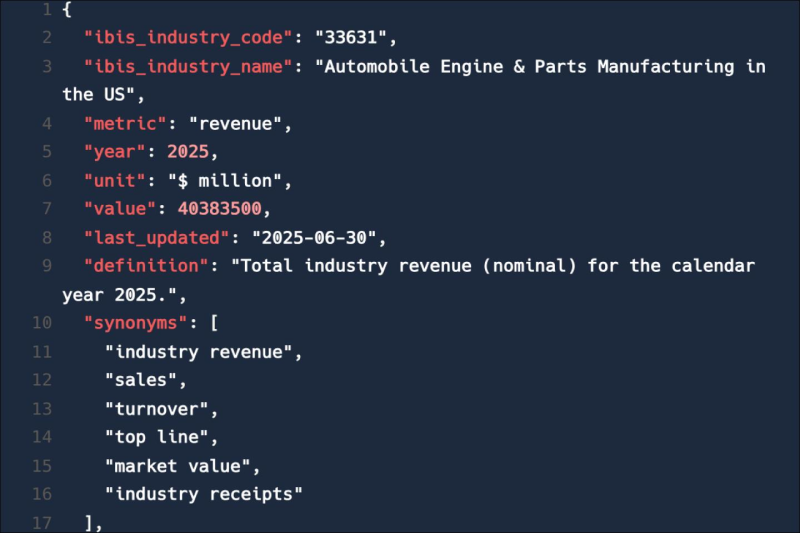
Feed trusted, human-driven industry intelligence straight into your platform.
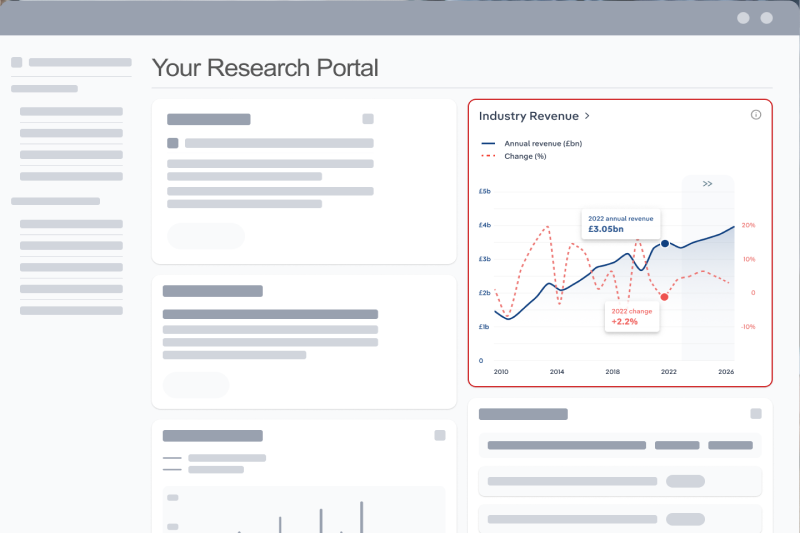
Streamline your workflow with IBISWorld’s intelligence built into your toolkit.
Explore industries with similar markets, supply chains, and economic drivers to gain broader context and insights.
When the stakes are high, you need intelligence that cuts through the noise—wherever you work.
The producer price index for steel in the US in 2026 was 311.13 index points.
The producer price index for steel in the US declined by -2.38% in 2026.
IBISWorld’s data and analysis on producer price index for steel in the US includes forecasted growth rates over the next five years.