
IBISWorld Platform
Answer any industry question in minutes with our entire database at your fingertips.

The synthetic fiber PPI fell to 161.9 in 2026, representing a 1.2% decrease from the previous year. This relatively stable performance follows a period of significant volatility, with prices moderating after the sharp increases experienced during the post-pandemic recovery. Synthetic fiber prices reached their peak in 2024 at 164.5. Since then, supply chain normalization has contributed to price stabilization, while steady demand from textile manufacturers and industrial applications continues to support pricing levels. However, competitive pressures from alternative materials and improved production efficiency are constraining further price growth.The synthetic fiber PPI has experienced considerable volatility over the past five years, with the index rising from 145.0 in 2021 to a peak of 164.5 in 2024. Pandemic-related industrial pauses caused prices to drop in 2020, before surging 25% over the following two years. This sharp increase reflected supply chain disruptions, energy cost inflation and raw material shortages that significantly impacted petrochemical feedstock prices.The pandemic fundamentally altered synthetic fiber markets, with initial lockdowns reducing demand from apparel and automotive sectors. However, recovery was swift and pronounced, driven by pent-up consumer demand, supply chain bottlenecks and inventory restocking. Rising crude oil prices during 2021-2022 particularly impacted synthetic fiber costs, as most synthetic fibers are petroleum-based derivatives. Energy cost inflation further pressured production expenses, while transportation disruptions added to overall price pressures.Trade dynamics also influenced pricing patterns, with tariffs and trade tensions affecting raw material availability and costs. Geopolitical events created additional uncertainty in energy markets, directly impacting feedstock costs for synthetic fiber production. The industry's consolidation during this period, with several plant closures and capacity adjustments, contributed to tighter supply conditions and supported higher pricing levels.
Curious about what drives these trends? IBISWorld's analyst coverage on the producer price index: synthetic fiber includes detailled analysis on the current performance, outlook and industries affected.
1980-2032
The Price of Synthetic Fiber represents the Producer Price Index for synthetic fibers, measuring the average change in selling prices received by domestic producers for synthetic fiber materials. The index uses 1980 as the base year (100) and tracks price movements across various synthetic fiber categories including polyester, nylon, acrylic and other man-made fibers used in textile and industrial applications. Data is sourced from the US Bureau of Labor Statistics.
IBISWorld Industry Reports are available in multiple formats to fit seamlessly into your workflow.

Answer any industry question in minutes with our entire database at your fingertips.
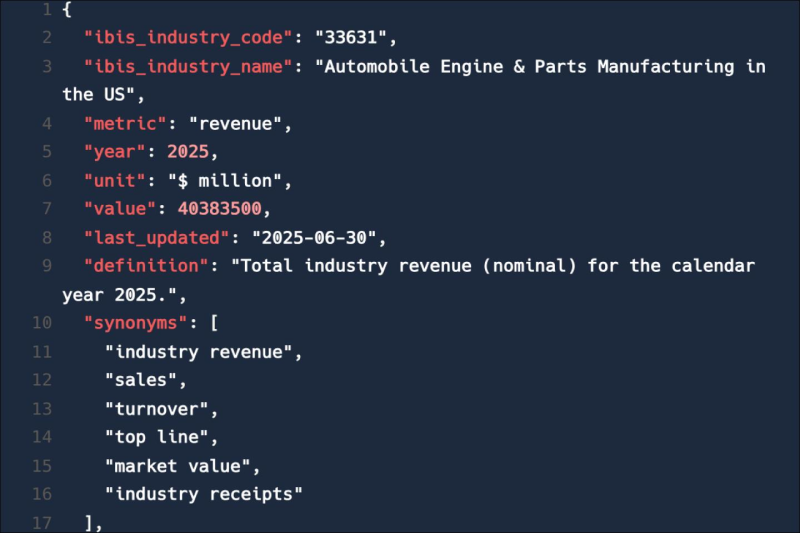
Feed trusted, human-driven industry intelligence straight into your platform.
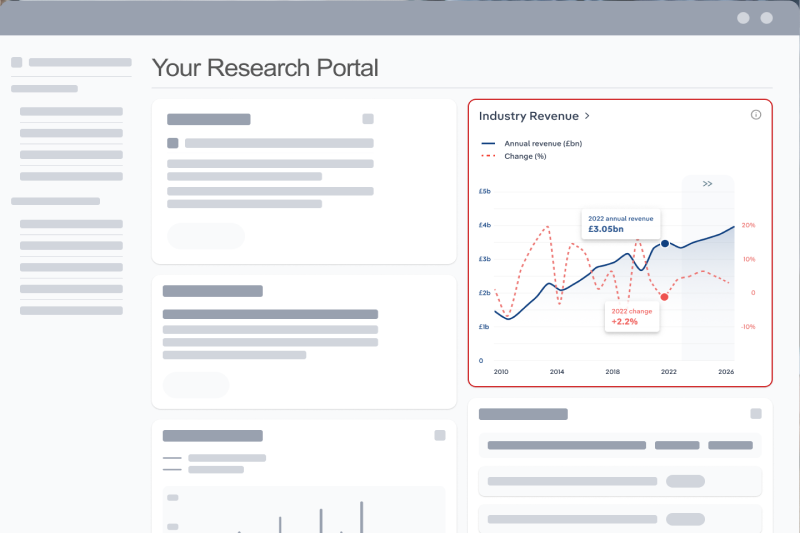
Streamline your workflow with IBISWorld’s intelligence built into your toolkit.
Explore industries with similar markets, supply chains, and economic drivers to gain broader context and insights.
| Industry | Country | Last 5-yr CAGR | Forecast 5-year CAGR | Revenue |
|---|---|---|---|---|
| Carpet Mills in the US |
|
XX% | XX% | $XX |
| Cotton Farming in the US |
|
XX% | XX% | $XX |
| Floor Covering Stores in the US |
|
XX% | XX% | $XX |
| Blind & Shade Manufacturing in the US |
|
XX% | XX% | $XX |
| Commercial Embroidery Services in the US |
|
XX% | XX% | $XX |
| Synthetic Fiber Manufacturing in the US |
|
XX% | XX% | $XX |
| Wig & Hairpiece Stores in the US |
|
XX% | XX% | $XX |
| Tactical & Service Clothing Manufacturing in the US |
|
XX% | XX% | $XX |
When the stakes are high, you need intelligence that cuts through the noise—wherever you work.
The producer price index for synthetic fiber in the US in 2026 was 161.93 index points.
The producer price index for synthetic fiber in the US grew by 2.23% in 2026.
IBISWorld’s data and analysis on producer price index for synthetic fiber in the US includes forecasted growth rates over the next five years.