
IBISWorld Platform
Answer any industry question in minutes with our entire database at your fingertips.

In 2025, subsidies for cereal grain farming are expected to total $243.3 million, representing a 65.6% increase from the previous year. This incline follows considerable volatility in outlays in the preceding years. The one year increase is largely due to higher outlays for wheat and sorghum, dampened by a decline in outlays for barley.Between 2021 and 2025, subsidies for cereal grain farming have been highly volatile. In 2021, government support surged to $2,060.7 million, largely in response to the COVID-19 pandemic, which disrupted supply chains and necessitated increased fiscal intervention. This period also saw the continuation of modifications under the 2018 Farm Bill, which enabled producers to make annual elections between the Price Loss Coverage (PLC) and Agricultural Risk Coverage (ARC) programs, and allowed for the updating of PLC payment yields. In 2022, additional policy responses followed the Russian invasion of Ukraine, with the US government proposing an aid package aimed at compensating for production shortfalls resulting from limited Ukrainian exports. However, as global commodity prices for grains remained high, there was decreasing political support for additional emergency subsidies and payments declined sharply to $921.4 million in 2022 and further to only $69.6 million in 2023. This volatility reflects both external shocks and government efforts to stabilize domestic production or react to disruptions in international supply.Over the five years through 2025, the value of subsidies has decreased overall, falling at an annualized rate of 20.6%. This contraction is primarily attributable to the diminished need for emergency government interventions as global grain markets stabilized and as commodity prices remained elevated due to lingering supply chain imbalances and strong international demand. Broader macroeconomic trends, such as rising inflation and tight public budgets, have also contributed to downward pressure on subsidy outlays. Additionally, with rising commodity prices, the triggers for PLC and ARC payments have been less frequently met, resulting in lower overall support. Wheat—historically the most heavily subsidized crop—has experienced a decline in its relative share of payments, as price recovery reduced eligibility for aid. These developments underscore the sensitivity of subsidy levels both to short-term crises and to underlying shifts in commodity market fundamentals.
Curious about what drives these trends? IBISWorld's analyst coverage on the subsidies for cereal grain farming includes detailled analysis on the current performance, outlook and industries affected.
1980-2031
The crop agriculture sector is heavily supported by the government, with a multitude of programs aimed at providing farmers with some level of income stability in a business plagued with unpredictability. This report includes outlays provided for wheat, sorghum, barley and oats. The majority of subsidies extended to growers are regulated under the farm bill, an overarching piece of agricultural legislation passed about every five years. The 2018 Farm Bill was passed in December 2018. The data for this report, including forecasts, are sourced from the Farm Service Agency (FSA), a part of the US Department of Agriculture (USDA). All figures reflect the net outlays for each fiscal year in nominal dollars.
IBISWorld Industry Reports are available in multiple formats to fit seamlessly into your workflow.

Answer any industry question in minutes with our entire database at your fingertips.
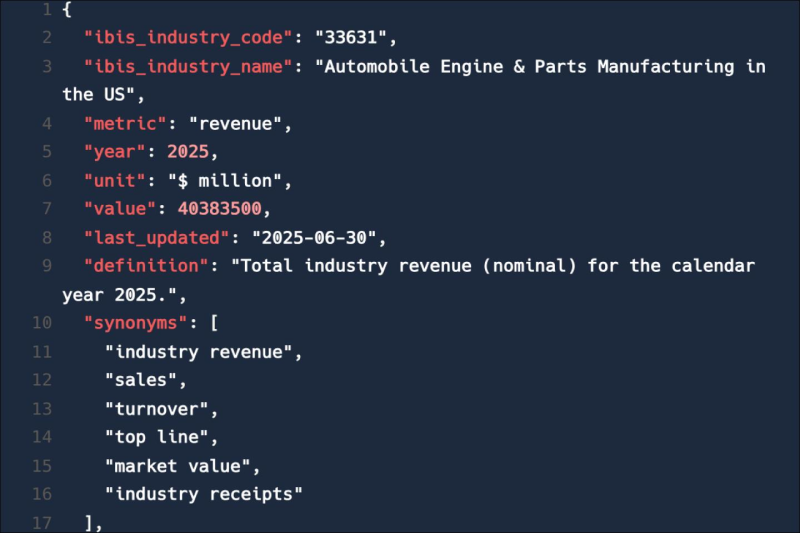
Feed trusted, human-driven industry intelligence straight into your platform.
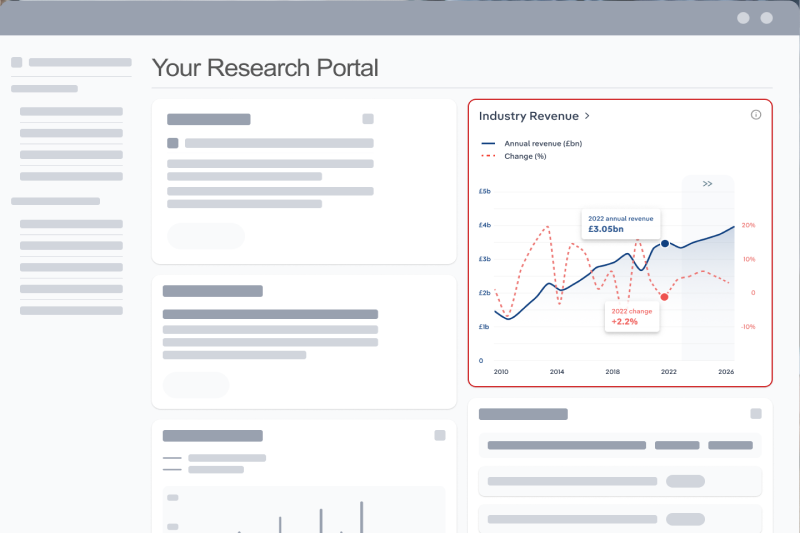
Streamline your workflow with IBISWorld’s intelligence built into your toolkit.
Explore industries with similar markets, supply chains, and economic drivers to gain broader context and insights.
| Industry | Country | Last 5-yr CAGR | Forecast 5-year CAGR | Revenue |
|---|---|---|---|---|
| Wheat, Barley & Sorghum Farming in the US |
|
XX% | XX% | $XX |
When the stakes are high, you need intelligence that cuts through the noise—wherever you work.
The subsidies for cereal grain farming in the US in 2025 was $243.27 million.
The subsidies for cereal grain farming in the US declined by -20.58% in 2025.
IBISWorld’s data and analysis on subsidies for cereal grain farming in the US includes forecasted growth rates over the next five years.