
IBISWorld Platform
Answer any industry question in minutes with our entire database at your fingertips.

In 2025, subsidies for soybean farming are estimated to total $66.3 million, rising from the prior year. Volatility has characterized recent outlays, as policy makers continue to balance fluctuating global crop prices and domestic support programs. In the wake of pandemic-era stimulus and additional support measures following the Ukraine conflict, government budget allocations for soybean subsidies have moderated. In 2025, falling soybean prices are set to increase the need for supplemental payments.Over the five years to 2025, subsidies for soybean farming declined at an annualized rate of 18.5%. This period encompassed significant policy and market changes. After the 2018 Farm Bill, soybean farmers had the ability to select annually between the Price Loss Coverage (PLC) and Agricultural Risk Coverage (ARC) programs for crop insurance purposes. The flexibility to update PLC payment yields offered enhanced risk management, but generally high commodity prices limited the frequency and magnitude of government payouts. Macroeconomic factors played a role during this period. High global demand, supply chain disruptions and geopolitical conflicts increased commodity prices, limiting the activation of support programs based on price or revenue shortfalls. Environmental volatility and trade policy uncertainty—exacerbated by international sanctions and tariffs—also influenced subsidy disbursement. However, these factors failed to offset the downward pressure on outlays brought by strong market prices and policy reforms that capped or reduced direct support.Overall, the contraction in government outlays for soybean subsidies over 2020-2025 reflected the combined influence of high farmgate prices, evolving federal policy mechanisms and external market shocks, with net payments decreasing from $184.0 million in 2020 to $66.3 million in 2025.
Curious about what drives these trends? IBISWorld's analyst coverage on the subsidies for soybean farming includes detailled analysis on the current performance, outlook and industries affected.
1980-2031
The crop agriculture sector is heavily supported by the government, with a multitude of programs aimed at providing farmers with some level of income stability in a business plagued with unpredictability. This report includes outlays provided for wheat, sorghum, barley and oats. The majority of subsidies extended to growers are regulated under the farm bill, an overarching piece of agricultural legislation passed about every five years. The 2018 Farm Bill was passed in December 2018. The data for this report, including forecasts, are sourced from the Farm Service Agency (FSA), a part of the US Department of Agriculture (USDA). All figures reflect the net outlays for each fiscal year in nominal dollars.
IBISWorld Industry Reports are available in multiple formats to fit seamlessly into your workflow.
Answer any industry question in minutes with our entire database at your fingertips.
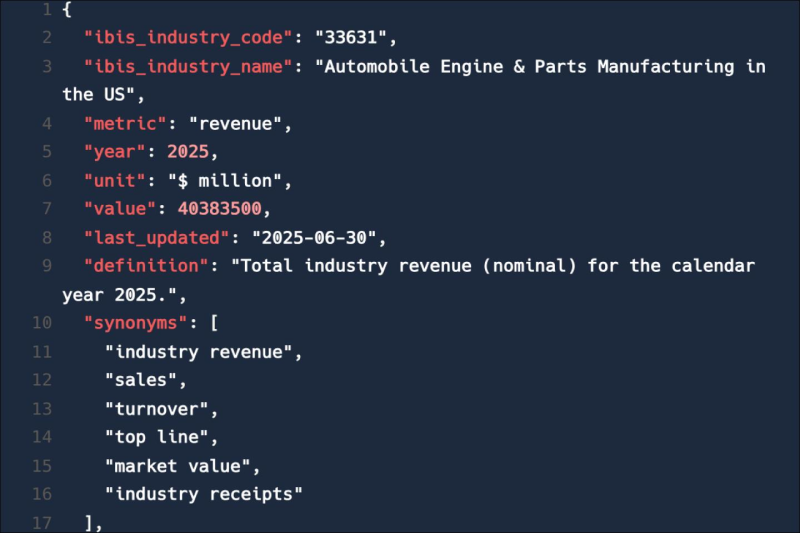
Feed trusted, human-driven industry intelligence straight into your platform.
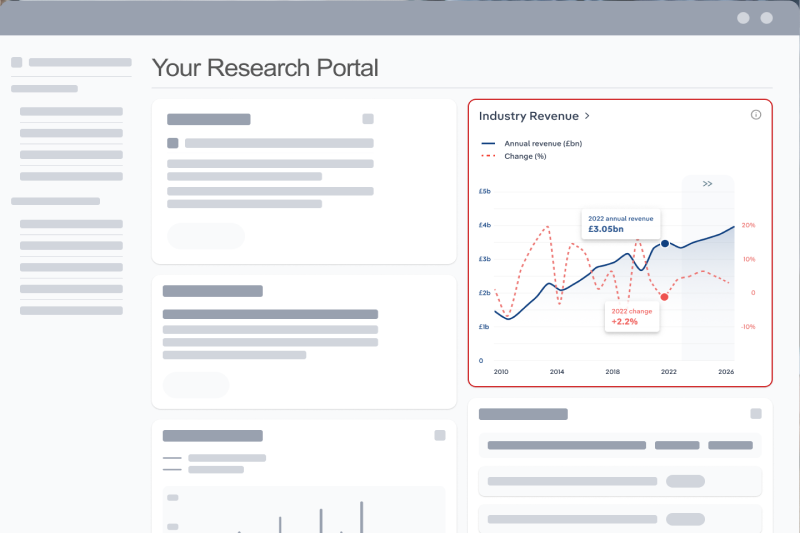
Streamline your workflow with IBISWorld’s intelligence built into your toolkit.
Explore industries with similar markets, supply chains, and economic drivers to gain broader context and insights.
| Industry | Country | Last 5-yr CAGR | Forecast 5-year CAGR | Revenue |
|---|---|---|---|---|
| Corn, Wheat & Soybean Wholesaling in the US |
|
XX% | XX% | $XX |
| Soybean Farming in the US |
|
XX% | XX% | $XX |
| Farm Supply Stores in the US |
|
XX% | XX% | $XX |
When the stakes are high, you need intelligence that cuts through the noise—wherever you work.
The subsidies for soybean farming in the US in 2025 was $66.34 million.
The subsidies for soybean farming in the US declined by -18.5% in 2025.
IBISWorld’s data and analysis on subsidies for soybean farming in the US includes forecasted growth rates over the next five years.