
IBISWorld Platform
Answer any industry question in minutes with our entire database at your fingertips.

Total US import values are projected to reach about $3.85 trillion in 2026, representing a 2.3% increase from 2025. Factors continuing this momentum include growth in AI-related goods such as computers and semiconductors, as more companies continue to invest in the product. However, growth in import prices, notably fuel, has constrained import growth. Imports have posted a 3.6% compound annual growth rate since 2021, but that rate masks sharp swings as the economy ricocheted from the post-pandemic reopening to inflation-fighting rate hikes and then into another burst of front-loaded demand ahead of new tariffs.Imports roared back from pandemic-based contractions in 2021 and 2022, with 14.6% and 8.5% gains fueled by unleashed consumer spending, large-scale fiscal support and aggressive inventory rebuilding, which pushed year-over-year growth to record highs in 2021. Retailers and manufacturers rushed to restock shelves amid shipping bottlenecks, while households shifted budgets toward imported consumer and durable goods.Momentum faded in 2023 as the Federal Reserve's rapid interest rate hikes squeezed purchasing power and trimmed discretionary goods imports, even as tariff-related price pressures and elevated logistics costs kept import prices high. As a result, imports dropped by 0.9%. In 2024 and 2025, trade flows accelerated again, driven less by organic demand and more by businesses racing to beat looming tariff increases that were a distinctive part of Donald Trump's 2024 campaign. This sent imports from the first half of 2025 soaring, especially for precious-metals and telecommunications gear. While these tariffs were struck down by the Supreme Court in February 2026, the Trump administration has enacted new Section 301 Tariffs, causing another rush of imports. Different countries experienced divergent import trends. Canada and Mexico remained the largest import destinations, benefiting from proximity and provisions of the United States-Mexico-Canada (USMCA) Agreement. Imports from China faced headwinds from ongoing trade tensions, with China falling as a major importer of manufacturing and service goods. Conversely, imports from Thailand, Vietnam and Indonesia all grew exponentially as they absorbed redirected trade flows from the country.
Curious about what drives these trends? IBISWorld's analyst coverage on the total imports includes detailled analysis on the current performance, outlook and industries affected.
1980-2032
Total imports represent the combined value of all goods and services imported into the United States from international markets, measured in billions of 2017 chained US dollars. This metric captures the real value of US import activity by adjusting for inflation, providing an accurate reflection of volume growth over time. Data encompasses merchandise goods across all sectors as well as service imports, including transportation, intellectual property, travel services and financial services.
IBISWorld Industry Reports are available in multiple formats to fit seamlessly into your workflow.

Answer any industry question in minutes with our entire database at your fingertips.
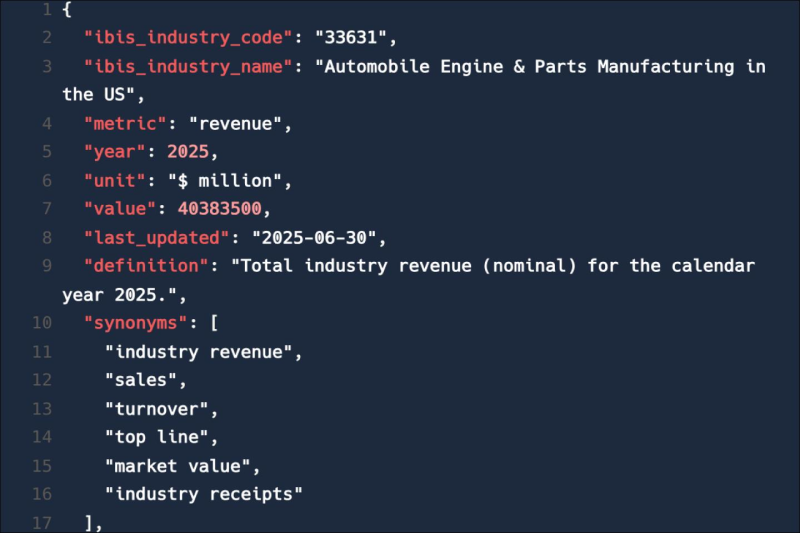
Feed trusted, human-driven industry intelligence straight into your platform.
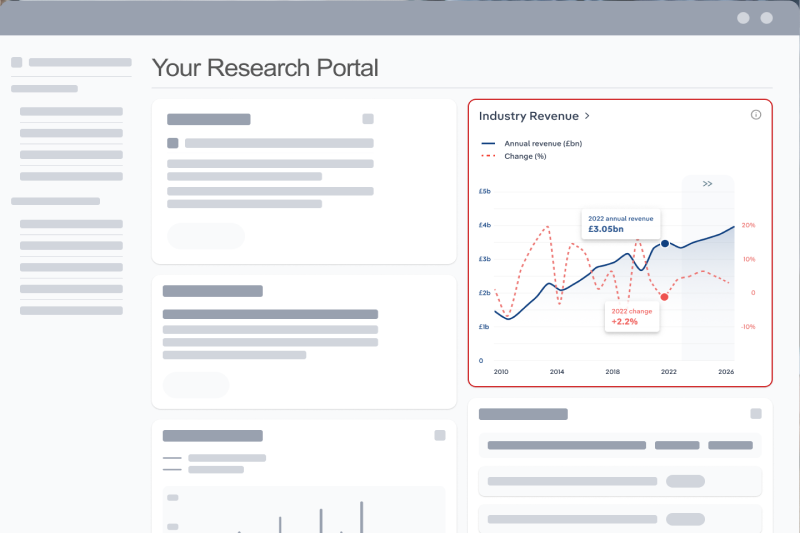
Streamline your workflow with IBISWorld’s intelligence built into your toolkit.
Explore industries with similar markets, supply chains, and economic drivers to gain broader context and insights.
| Industry | Country | Last 5-yr CAGR | Forecast 5-year CAGR | Revenue |
|---|---|---|---|---|
| Railroad Track Construction in the US |
|
XX% | XX% | $XX |
| Distilleries in the US |
|
XX% | XX% | $XX |
When the stakes are high, you need intelligence that cuts through the noise—wherever you work.
The total imports in the US in 2026 was 3,853.36 billion.
The total imports in the US grew by 3.63% in 2026.
IBISWorld’s data and analysis on total imports in the US includes forecasted growth rates over the next five years.